HCM HEAD OFFICE: Room S15, Saigon Pearl, 92C Nguyen Huu Canh, Thanh My Tay Ward, Ho Chi Minh City
HANOI BRANCH: N45-TT4 Do Dinh Thien Street, My Dinh – Song Da Urban Area, Tu Liem Ward, Hanoi
24/7
Call Now
+84 933 706 351
JMENTERPRISE CO., LTD.
Mail Now
jhcha@jmentchemical.com
Expert Guide: Distinguishing High-Quality Virgin Resin from Adulterated Recycled Plastic

Expert Guide: Distinguishing High-Quality Virgin Resin from Adulterated Recycled Plastic

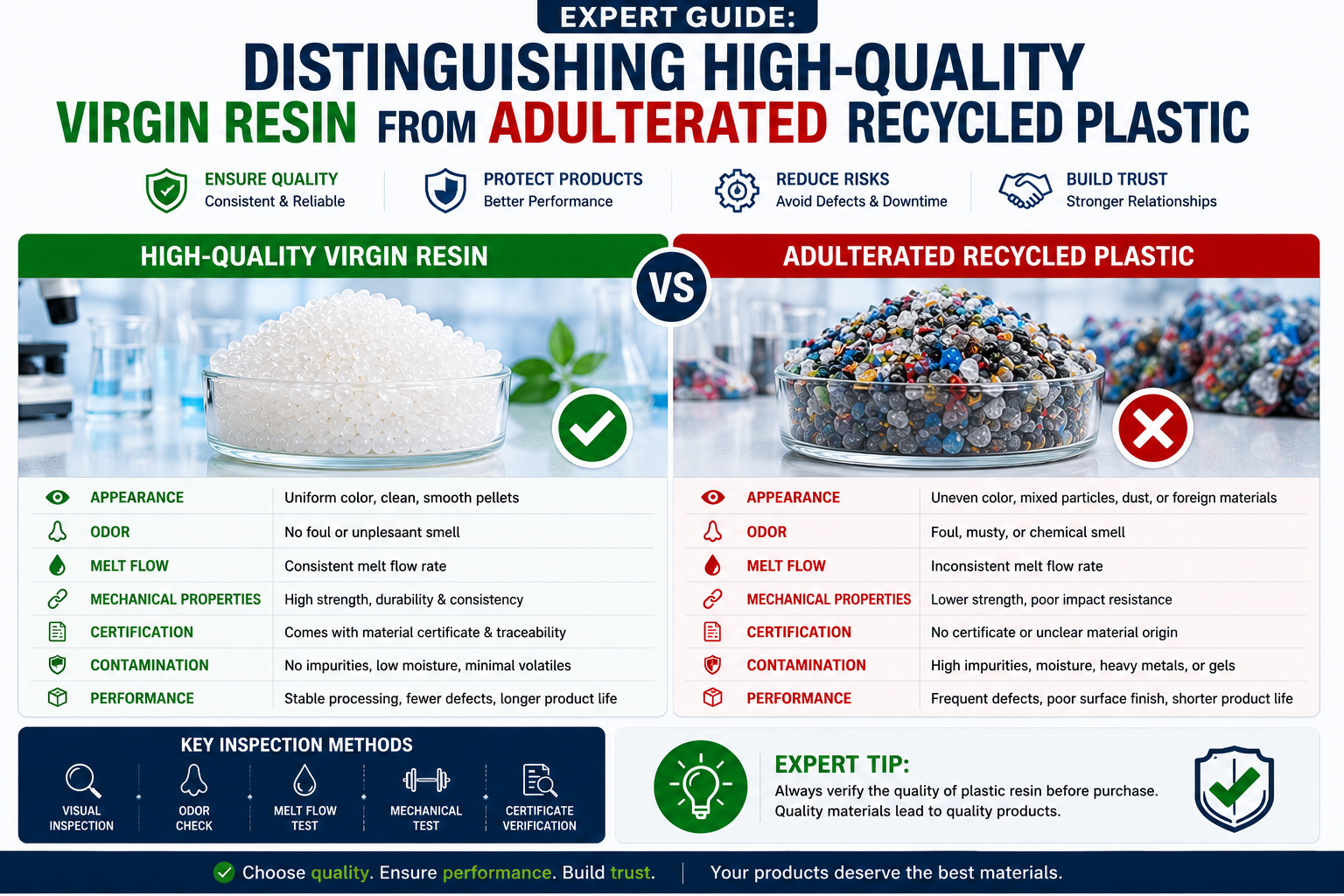
In an increasingly volatile plastic market, blended resins—where recycled plastic is mixed into virgin batches to lower costs—have become common. However, using impure materials leads to severe consequences for machinery and final product integrity.

For production managers and procurement departments, the ability to accurately identify pure raw materials is vital. This guide outlines the most effective ways to differentiate between the two.

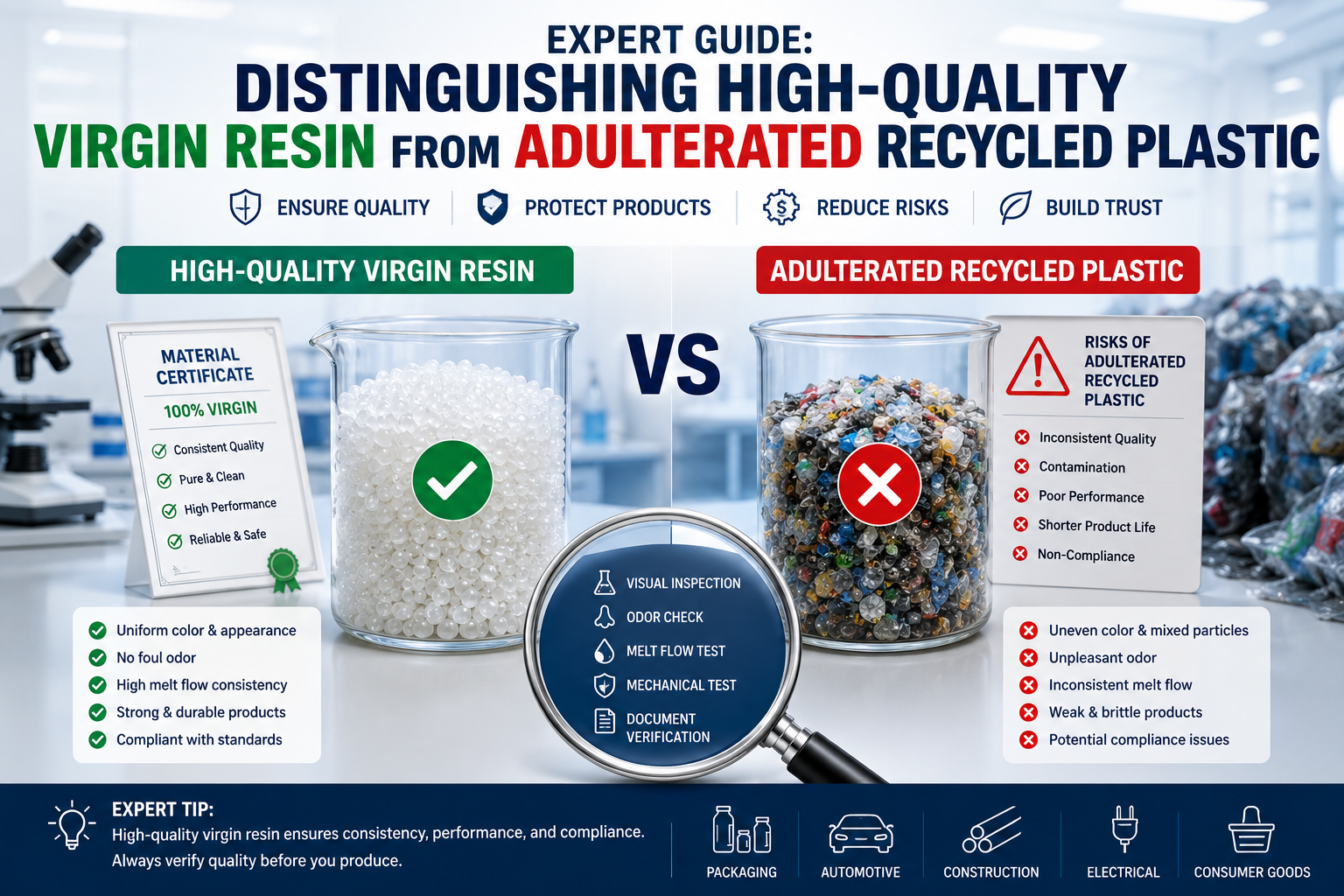
1. Understanding the Difference

  • Virgin Resin: Produced directly from petroleum distillation, it has never been processed. Purity levels typically reach 99.9%.
  • Recycled Plastic: Manufactured from post-consumer waste. Due to multiple heat cycles, the polymer structure is often degraded and contains various impurities.
2. Four Quick On-Site Identification Methods

2.1. Color and Transparency Observation

  • Virgin Resin: Naturally consistent color. It is either crystal clear or slightly translucent (depending on the grade). Every granule in the bag is 100% uniform.
  • Recycled/Adulterated: Appears duller or cloudy. You may notice stray pellets with off-colors like black, grey, or yellowish tints. If it is colored resin, virgin plastic looks vibrant and glossy, while recycled plastic appears dark and matte.

2.2. The Burn/Smell Test (Thermal Identification)

  • Virgin Resin: When heated or burned, virgin PE (HDPE, LDPE) produces a clean, paraffin-like (candle wax) scent. The smoke is minimal and not irritating.
  • Adulterated Plastic: Because it contains impurities (nylon, different plastic types, or heavy metals), it produces a foul, acrid odor, thick black smoke, and a pungent chemical smell that is hard to ignore.

2.3. Surface Texture and Uniformity

  • Virgin: The surface of the pellet is perfectly smooth. Granules are uniform in size because they are cut using advanced underwater or strand-pelletizing technologies from major global brands.
  • Recycled: Pellets are often rougher with irregular sizes. You may see tiny pits or bubbles on the surface caused by trapped moisture or un-melted impurities.

2.4. Physical Toughness (Elongation)

Melt a small sample and pull it into a strand:

  • Virgin: Offers excellent elongation. The strand can be pulled very thin without snapping abruptly.
  • Adulterated: The strand is brittle and snaps easily because the polymer chains have been broken down and weakened by contaminants.

3. The Risks of Using Impure Plastic in Production

Using low-quality materials poses significant risks to your business:

  1. Machine Damage: Hard impurities (metal fragments, sand) can scratch the screw and barrel of your extruder.
  2. Poor Product Quality: Products become brittle, prone to cracking, and inconsistent in color. They often fail safety standards for food-contact packaging.
  3. High Defect Rates: Impurities cause clogs and screen pack pressure spikes, leading to frequent downtime and increased operational costs.

4. Why Choose JM ENTERPRISE?

At JM ENTERPRISE, we say NO to adulterated and counterfeit materials. Transparency regarding origin is our core principle.

  • High-Quality Materials: 100% virgin resins imported from global brands with full CO and CQ certifications.
  • Professional Technical Team: Our expert Korean and Vietnamese engineers help verify resin samples, ensuring your input quality is guaranteed.
  • Competitive Pricing: Leveraging our global supply network, we provide the best possible prices for genuine, high-grade materials.
  • Formula Consulting: We provide precise advice on additive blending to ensure maximum production efficiency.
  • End-to-End Support: A total solution from consultation and supply to comprehensive after-sales technical support.

CONTACT US

Ensuring clean raw materials is the first step toward manufacturing excellence. Contact JM ENTERPRISE for consultation and free samples.

JM ENTERPRISE – Your Global Chemical & Plastic Solution Partner

  • Hotline/Zalo:
    • +84 933 706 351 (Mr. Cha - English & Korean)
    • +84 913 390 054 (Ms. Ngan - Vietnamese)
  • Email: jhcha@jmentchemical.com
  • Website: https://jmentchemical.com/
 

Newest Blogs

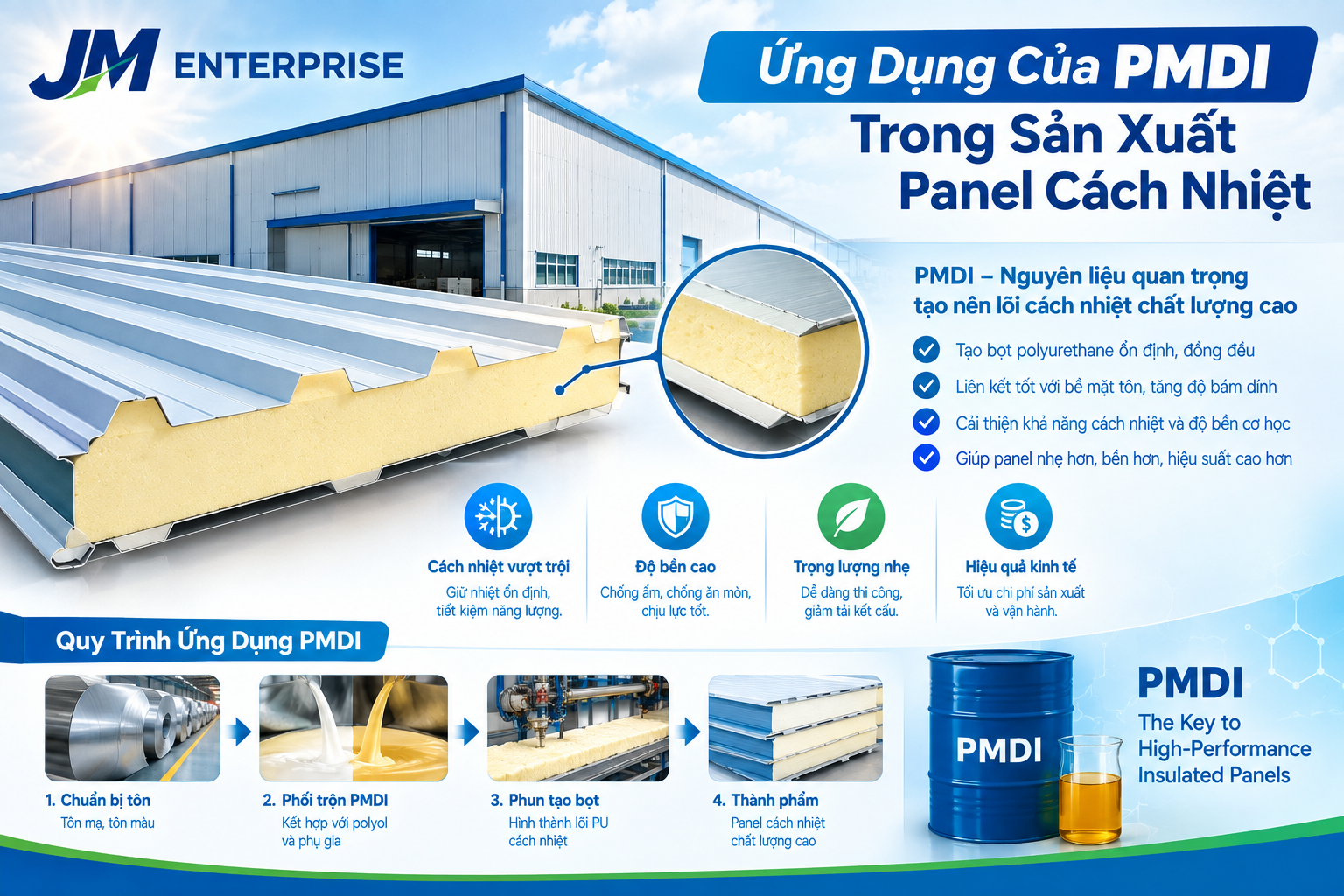
Application of PMDI in Thermal Insulation Panel Production: A Complete Technical Guide

Discover the essential role and application of PMDI in thermal insulation panel...

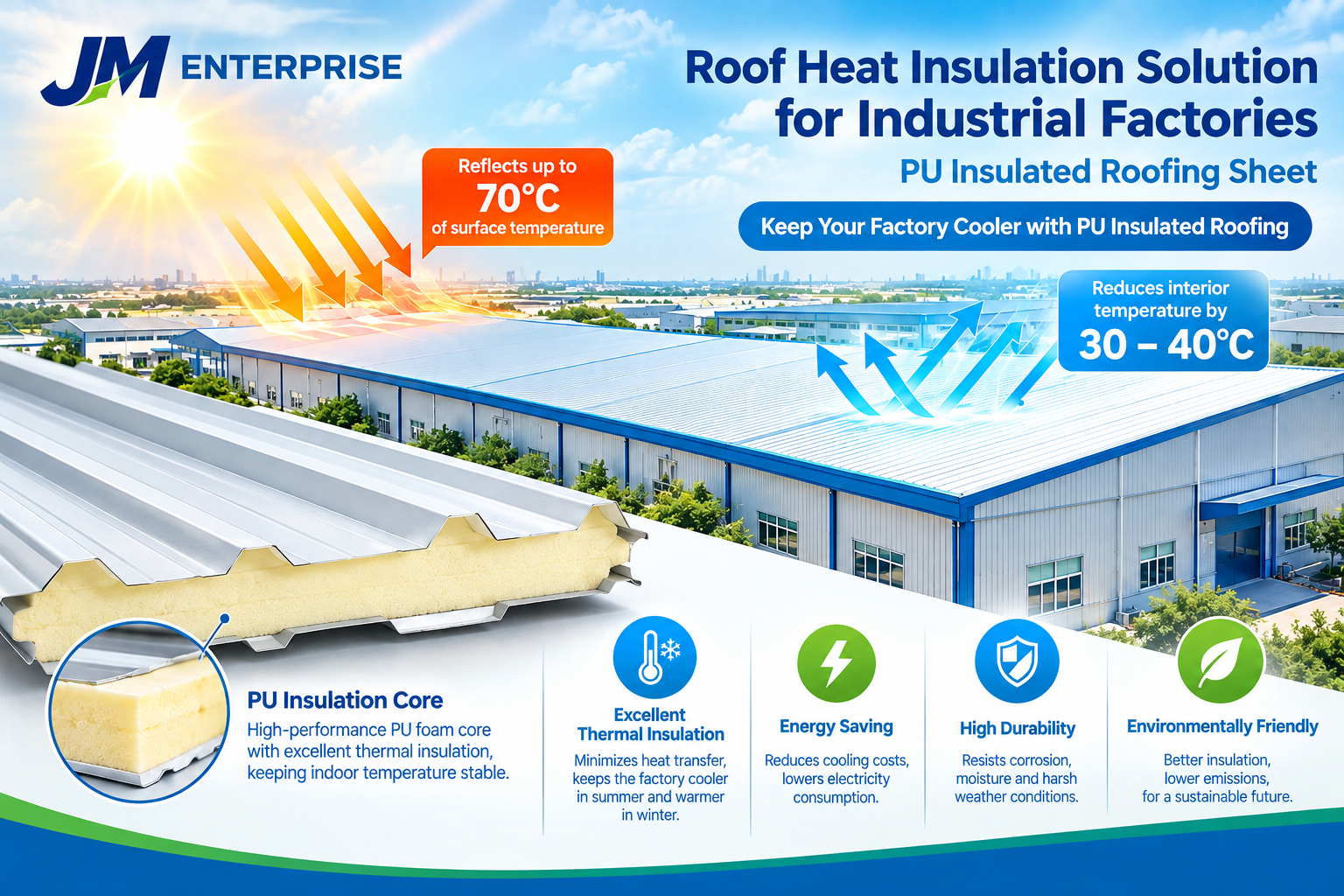
Factory Roof Heat Insulation Solutions Using PU Panels and Polyurethane Materials

Discover factory roof heat insulation solutions using PU panels and Polyurethane...

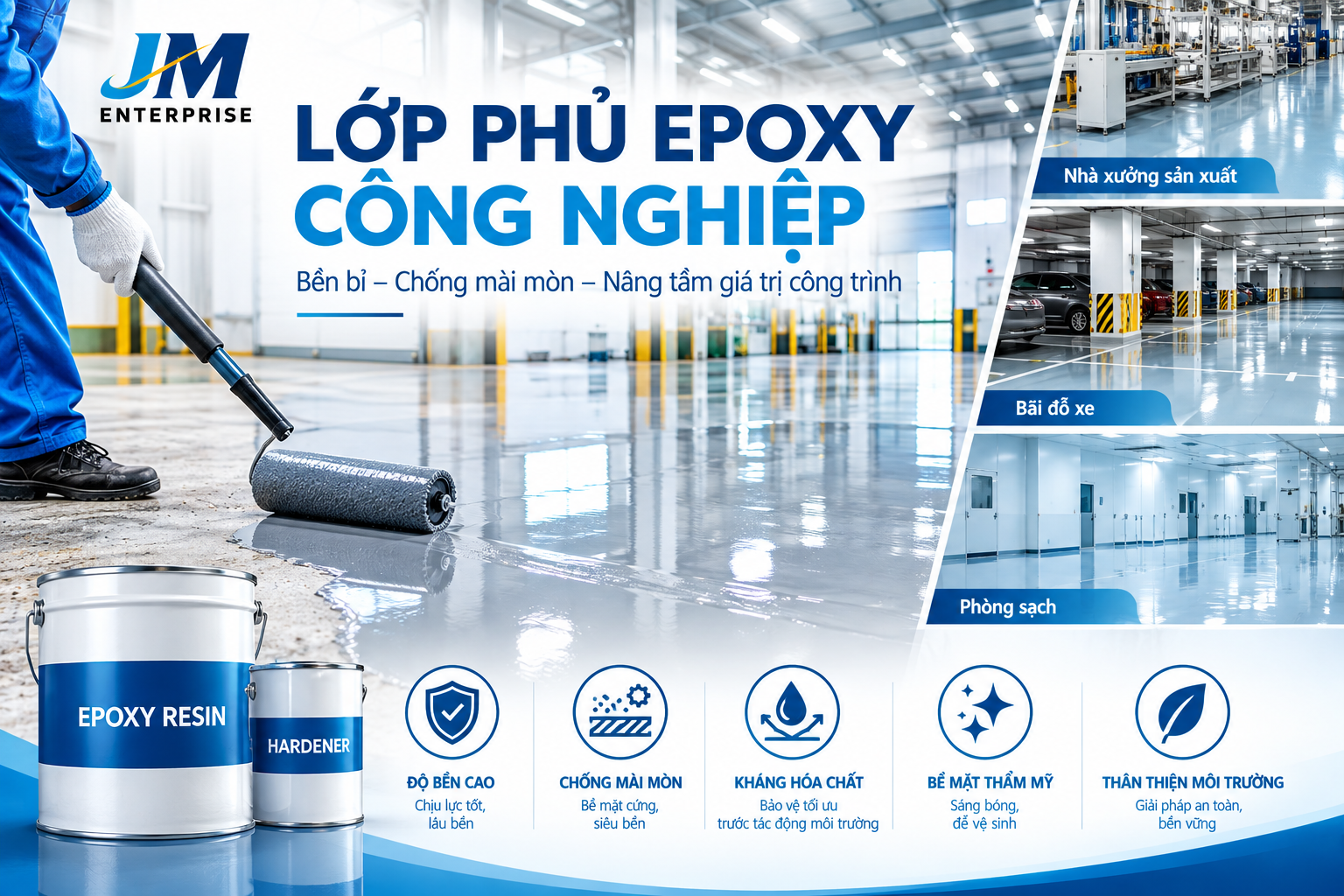
Epoxy Resin for Industrial Coatings: A Comprehensive Technical Guide

A comprehensive guide to Epoxy Resin for Industrial Coatings. Discover key epoxy...

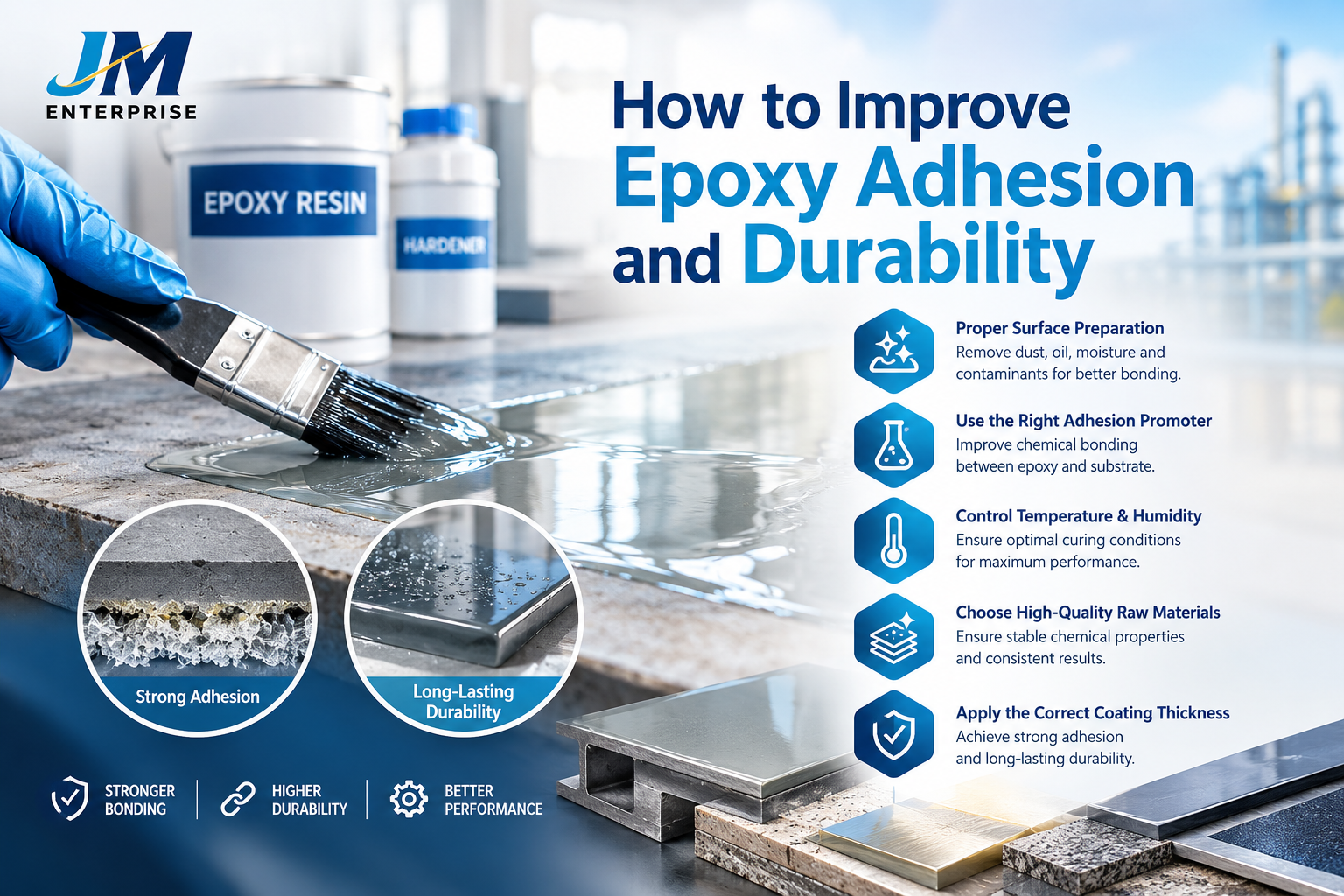
How to Improve Epoxy Adhesion and Durability

Discover proven methods to improve epoxy adhesion and long-term durability in in...

Epoxy Resin vs Polyurethane Resin: Key Differences & Selection Guide

Compare Epoxy Resin vs Polyurethane Resin (PU) in detail. Explore key difference...

How to Choose the Right Epoxy Resin for Industrial Applications

Learn how to choose the right epoxy resin for industrial applications. Explore k...

Most Viewed Blogs

Eco-Friendly PU Adhesive for Sustainable Packaging

Durable PU laminating adhesive – solvent resistant, internationally certified....

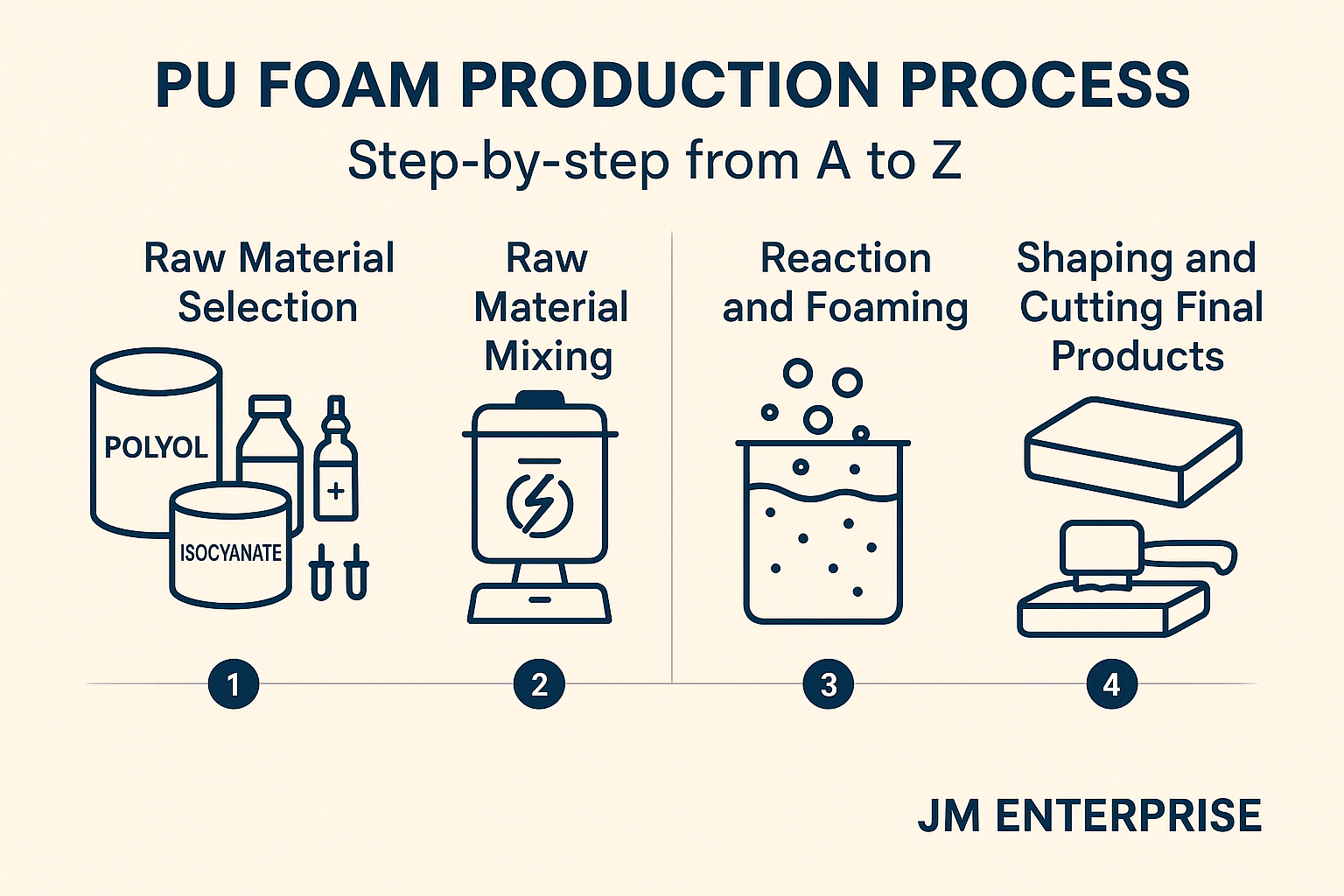
PU Foam Production Process: A Step-by-Step Guide from A to Z

Explore the complete PU foam production process from A to Z and discover how sou...

TPU and Sustainability: Is It an Eco-Friendly Material?

Discover whether TPU is truly eco-friendly, its recyclability, product life cycl...

Hydroxy and Oxygen Content in Polyol – The Key to High-Quality Polyurethane Production

How OH and oxygen content in polyol affect polyurethane performance. Learn how t...

TDI/MDI – Complete Solutions for Your PU Production Needs

JM Enterprise supplies high-quality MDI and TDI for PU production in Vietnam. Co...

Impact of Melt Flow Index (MFI) on HDPE/LDPE Extrusion & Film Blowing | JM ENTERPRISE

Understand how MFI affects the production of HDPE and LDPE. Expert technical ins...

Related Blogs

The Key to Elevating Vietnamese Footwear

Discover JM's cutting-edge nano-waterproofing chemicals. A breakthrough solution...

Factory Roof Heat Insulation Solutions Using PU Panels and Polyurethane Materials

Discover factory roof heat insulation solutions using PU panels and Polyurethane...

Epoxy Resin for Industrial Coatings: A Comprehensive Technical Guide

A comprehensive guide to Epoxy Resin for Industrial Coatings. Discover key epoxy...

Polyurethane (PU) Foam Cellular Architecture: The Core Factor Driving Product Quality

Explore the cellular architecture of PU Foam in detail: Open-Cell, Mixed-Cell, a...

How to Improve Epoxy Adhesion and Durability

Discover proven methods to improve epoxy adhesion and long-term durability in in...

Application of PMDI in Thermal Insulation Panel Production: A Complete Technical Guide

Discover the essential role and application of PMDI in thermal insulation panel...

Zalo Zalo