HCM HEAD OFFICE: Room S15, Saigon Pearl, 92C Nguyen Huu Canh, Thanh My Tay Ward, Ho Chi Minh City
HANOI BRANCH: N45-TT4 Do Dinh Thien Street, My Dinh – Song Da Urban Area, Tu Liem Ward, Hanoi
24/7
Call Now
+84 933 706 351
JMENTERPRISE CO., LTD.
Mail Now
jhcha@jmentchemical.com
Polyurethane Foam in Car Seats: The Smart Material Trend for Automotive Interiors in 2025

Polyurethane Foam in Car Seats: The Smart Material Trend for Automotive Interiors in 2025

1. What Is Polyurethane Foam?

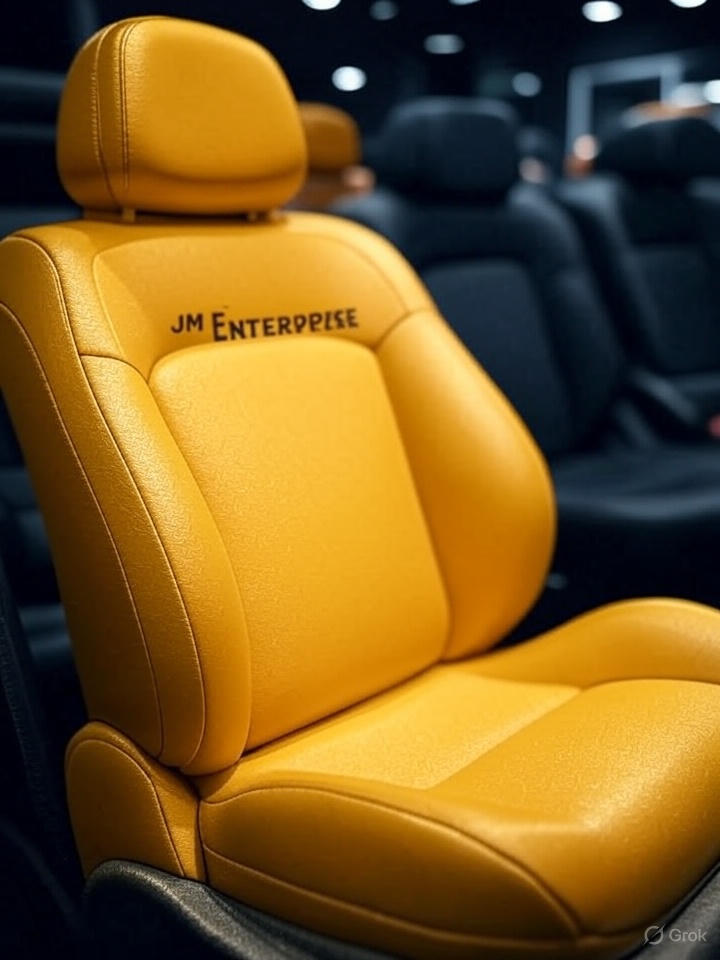
Polyurethane foam (PU foam) is a synthetic, lightweight, and highly elastic foam material. It is an essential component in automotive interiors, widely used in seat cushions, backrests, and various cabin components. Its excellent cushioning, sound insulation, and long-term durability make it ideal for enhancing comfort and functionality inside vehicles.

Polyurethane foam in car seats.

2. The Role of Polyurethane Foam in Car Seats

PU foam is considered the core material of modern car seats, especially in luxury and electric vehicle (EV) segments. Key advantages include:

  • Superior Comfort: PU foam distributes body pressure evenly, providing a soft and smooth seating experience on long drives.
  • High Durability: Maintains shape and structure over time without sagging.
  • Design Flexibility: Easily molded into ergonomic shapes, ideal for custom-fit seat designs.
  • Noise and Vibration Damping: Contributes to a quieter and smoother cabin environment.

3. 2025 Trend: Bio-Based and Sustainable Polyurethane Foam

Automotive manufacturers worldwide are shifting toward bio-based PU foams, made from renewable sources like soy or palm oil. These sustainable materials help reduce CO₂ emissions during production and align with the automotive industry’s move toward greener supply chains.

4. Application of PU Foam in Premium Car Seat Lines

In high-end models such as luxury sedans, SUVs, and EVs, PU foam is often combined with memory foam or pressure-zoned support systems to:

  • Improve spinal and lumbar support
  • Minimize vibration and jolting during high-speed driving
  • Integrate features like seat cooling or heating

5. JM Enterprise – Supplier of Polyurethane Foam Raw Materials from Korea in Vietnam

  • To manufacture high-quality polyurethane foam for automotive seats, manufacturers need reliable sources of authentic raw materials backed by consistent quality and technical support. In Vietnam, JM Enterprise is a trusted supplier of polyurethane foam raw materials – including Polyol, Isocyanate, and various additives – all imported directly from leading chemical manufacturers in South Korea.

Why Choose Raw Materials from JM Enterprise?

  • International Standards:
    Our raw materials are sourced from top-tier Korean chemical companies, meeting RoHS, ISO, and eco-friendly standards for global manufacturing compliance.
  • Competitive Pricing in the Vietnamese Market:
    JM Enterprise optimizes its supply chain to offer cost-effective solutions for manufacturers of automotive seat cushions, interior components, and sound/thermal insulation materials.
  • On-Site Technical Support:
    Our Korean–Vietnamese technical team works closely with clients from formulation development, foam density adjustments, to troubleshooting during production, ensuring smooth and efficient operations.
  • Versatile Applications:
    Raw materials from JM Enterprise are ideal for producing flexible PU foam, cold-cure foam, molded foam, and memory foam – tailored for automotive seating, industrial interiors, and high-performance cushioning.

📞 Contact JM ENTERPRISE today for consultation and free samples

  • Hotline/Zalo: 84 933 706 351 Mr Cha (speak English and Korea) 84 913390054 Ms Ngan ( speak Vietnamese)
    📧 Email: jhcha@jmentchemical.com
    🌐 Website: https://jmentchemical.com/
  • 🌿 Choose sustainable packaging today — drive long-term business growth tomorrow.
    Let your brand be part of the global green revolutio


Newest Blogs

Epoxy Resin vs Polyurethane Resin: Key Differences & Selection Guide

Compare Epoxy Resin vs Polyurethane Resin (PU) in detail. Explore key difference...

How to Choose the Right Epoxy Resin for Industrial Applications

Learn how to choose the right epoxy resin for industrial applications. Explore k...

Zero-Carbon Emission Reduction Solutions

Explore Zero-Carbon emission reduction solutions using PU foam insulation. Learn...

In-Depth Analysis of Epoxy vs Epoxy Resin: Chemical Nature, Technical Properties, and Industrial Applications

An in-depth technical analysis of Epoxy vs Epoxy Resin. Clarify terminology, che...

Low-VOC Trends: Comprehensive Guide to Odorless Catalysts & Additives for Export-Grade PU Foam

Discover Low-VOC additives & reactive catalysts for PU Foam: Eliminate amine odo...

Fixing PU Foam Post-Demold Shrinkage & Distortion: Technical Causes & Line Solutions

Troubleshoot PU Foam shrinkage and distortion post-demolding: Uncover closed-cel...

Most Viewed Blogs

Eco-Friendly PU Adhesive for Sustainable Packaging

Durable PU laminating adhesive – solvent resistant, internationally certified....

PU Foam Production Process: A Step-by-Step Guide from A to Z

Explore the complete PU foam production process from A to Z and discover how sou...

TPU and Sustainability: Is It an Eco-Friendly Material?

Discover whether TPU is truly eco-friendly, its recyclability, product life cycl...

Hydroxy and Oxygen Content in Polyol – The Key to High-Quality Polyurethane Production

How OH and oxygen content in polyol affect polyurethane performance. Learn how t...

TDI/MDI – Complete Solutions for Your PU Production Needs

JM Enterprise supplies high-quality MDI and TDI for PU production in Vietnam. Co...

Impact of Melt Flow Index (MFI) on HDPE/LDPE Extrusion & Film Blowing | JM ENTERPRISE

Understand how MFI affects the production of HDPE and LDPE. Expert technical ins...

Related Blogs

JM Enterprise Signs Partnership with BNI Connect – Driving Growth and Collaboration in the Construction Industry

The JM Enterprise – BNI Connect partnership marks a milestone in expanding busin...

TPU for wheels – JM ENTERPRISE supplies high-quality TPU materials

TPU for heavy-duty wheels helps extend lifespan by 2–3 times compared to PU. JM...

ANTI-OXIDANTS – The Silent Heroes Behind Polymer Durability & Performance

Plastic aging prevention additives, The Silent Heroes Behind Polymer Durability...

Polyol Quality – The Key to Superior Polyurethane Products

High-quality polyol plays a vital role in enhancing the performance and durabili...

Effect of DBP on Polyurethane Adhesive Curing Time | JM Enterprise

In-depth study on how DBP plasticizer ratios affect the curing time of Polyureth...

TDI/MDI – Complete Solutions for Your PU Production Needs

JM Enterprise supplies high-quality MDI and TDI for PU production in Vietnam. Co...

Zalo Zalo