TPU and Sustainability: Is It an Eco-Friendly Material?
As global industries increasingly prioritize environmental protection, the search for materials that are both high-performing and sustainable has intensified. Thermoplastic Urethane (TPU) has emerged as a promising solution due to its recyclability and sustainable properties. But is TPU truly eco-friendly? This article explores TPU’s recyclability, product lifecycle, environmental impact, and highlights JM – a trusted TPU supplier delivering high-quality, sustainable materials.
1.Is TPU Eco-Friendly?
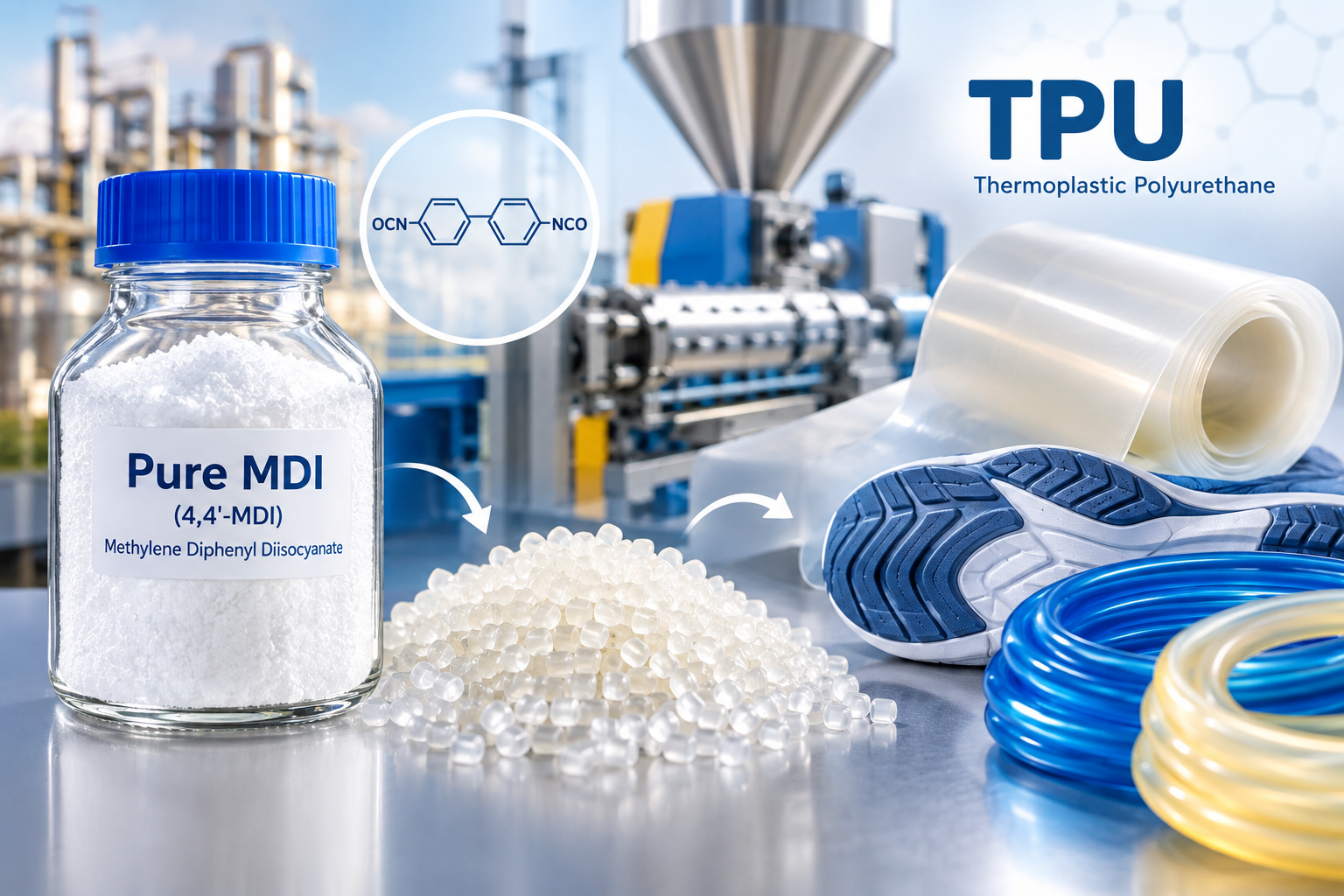
Thermoplastic Urethane (TPU) is a versatile polymer that combines the durability of plastic with the flexibility of rubber. Compared to traditional plastics like PVC or thermoset polyurethane, TPU offers several environmental advantages:
- Recyclability: Unlike thermoset plastics, TPU can be melted and reshaped without losing its physical properties, reducing plastic waste and supporting a circular economy.
- Bio-based TPU: Manufacturers are developing TPU from renewable sources, such as plant-based polyols, decreasing reliance on fossil fuels and lowering carbon footprints.
- High Durability: TPU’s excellent resistance to abrasion, chemicals, and weathering extends product lifespans, reducing the need for frequent replacements and conserving resources.
However, TPU production still requires significant energy, and improper end-of-life management can lead to environmental challenges similar to those of conventional plastics. To assess TPU’s eco-friendliness, we must examine its entire lifecycle.
2.TPU’s Recyclability
One of the key factors making TPU a candidate for an eco-friendly plastic is its recyclability. Unlike thermoset plastics, which are single-use, TPU can be:
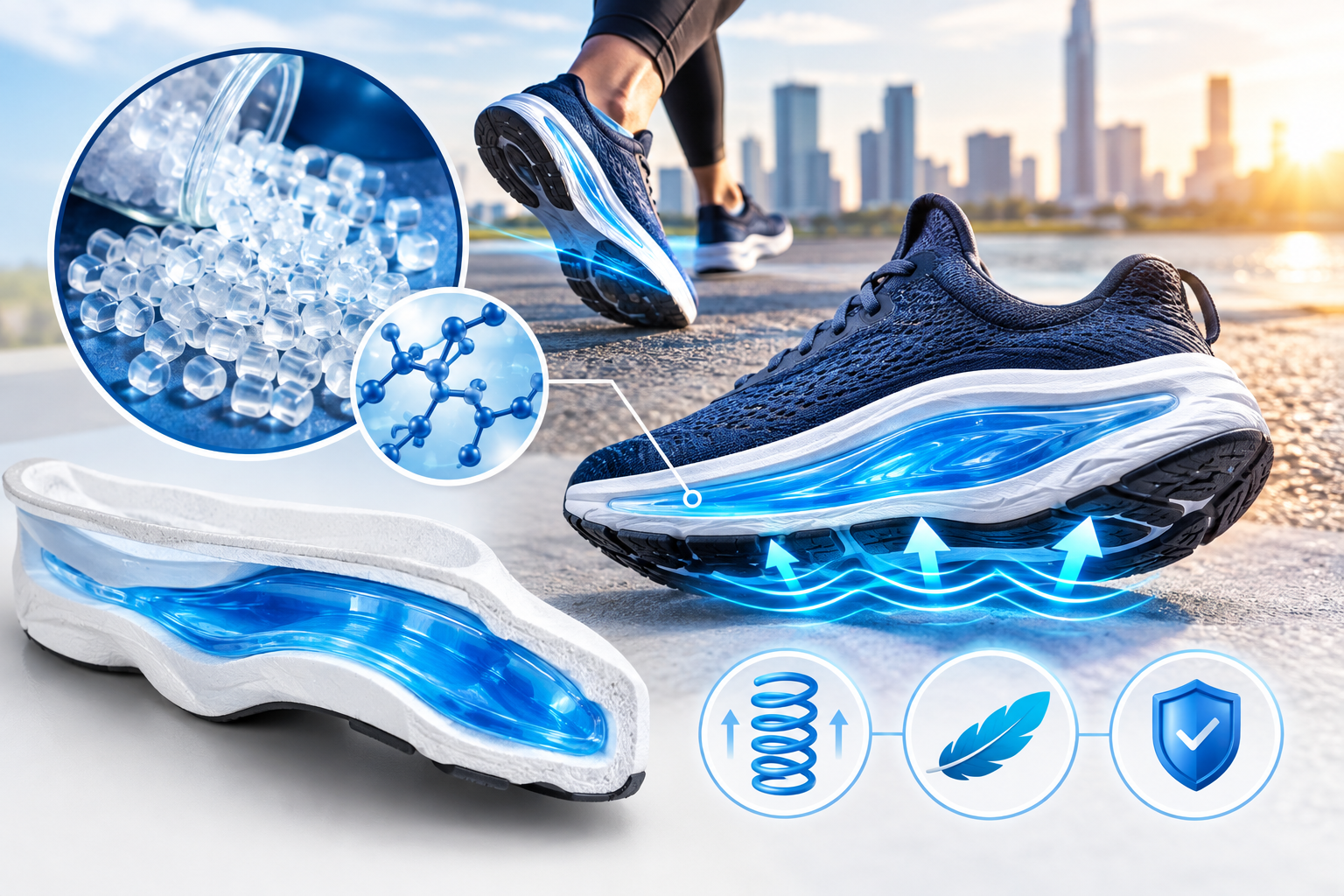
- Mechanically Recycled: Scrap TPU from manufacturing or used products can be ground, melted, and repurposed into new products. For example, old TPU shoe soles can be recycled into coatings or industrial components.
- Chemically Recycled: Advanced technologies allow TPU to be broken down into monomers or polyols, which can then be used to produce new TPU. While still in development, this method promises to enhance TPU’s sustainability.
- Real-World Applications: Many companies, particularly in footwear and automotive industries, are incorporating recycled TPU into their products. Brands like Adidas, for instance, use recycled TPU in sneakers to minimize waste.
TPU’s recyclability not only reduces plastic waste but also conserves resources, making it an appealing choice for businesses committed to sustainable production.
3.TPU’s Product Lifecycle
The lifecycle of a TPU product—spanning production, use, and end-of-life disposal—plays a critical role in determining its environmental impact:
- Production: TPU manufacturing can be energy-intensive and involves chemicals like isocyanates. However, advancements such as renewable energy use and bio-based TPU are reducing the environmental footprint of this stage.
- Use: TPU’s high durability, abrasion resistance, and ability to withstand harsh conditions result in longer-lasting products. For example, in the automotive industry, TPU components like gaskets or interior coatings can endure years of use, reducing waste.
- End-of-Life: When properly recycled, TPU can be reintroduced into the production cycle. However, without proper disposal, TPU may contribute to plastic waste. Establishing efficient collection and recycling systems is crucial for maximizing TPU’s sustainability.
4.JM – A Trusted TPU Supplier
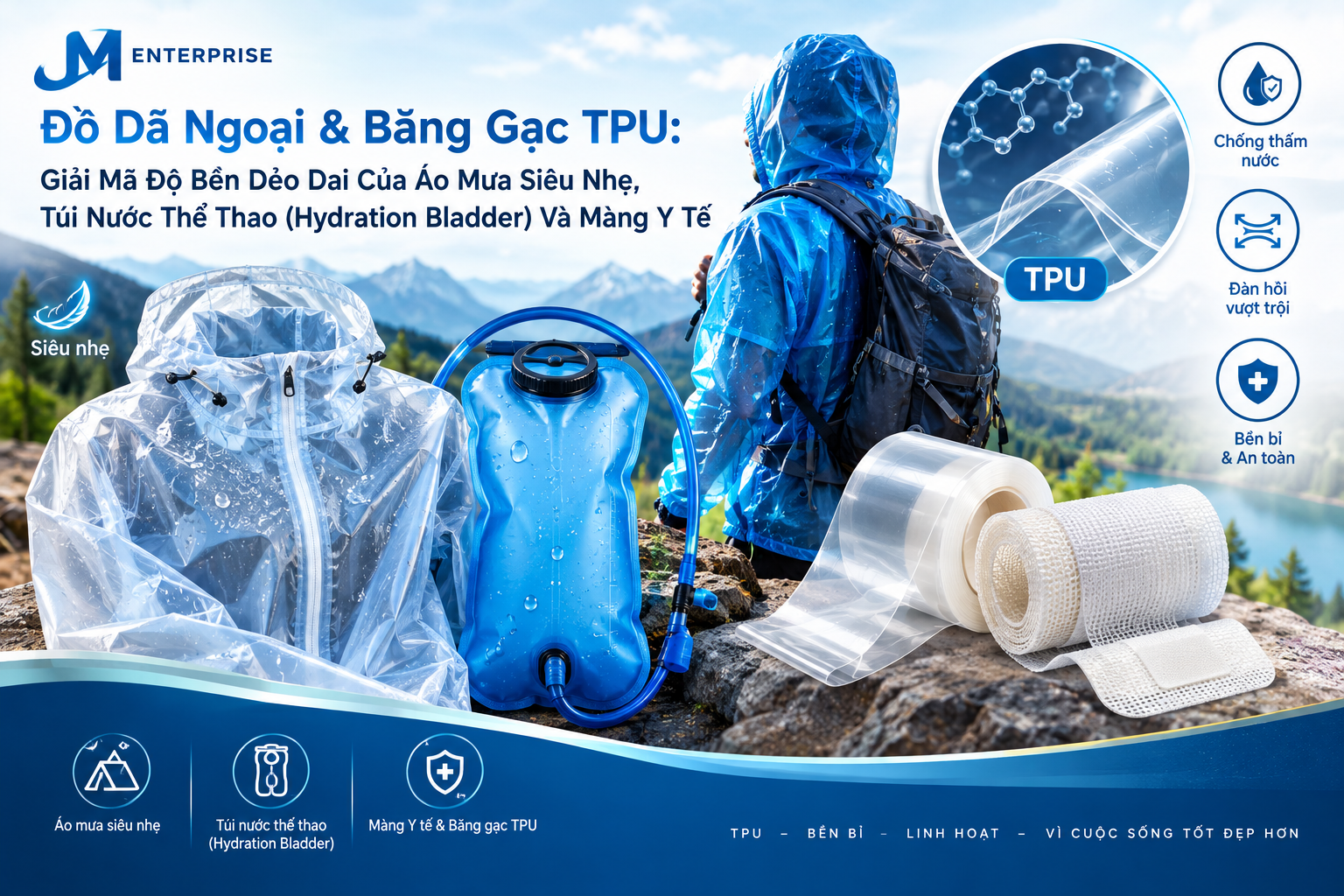
When it comes to sourcing high-quality and sustainable TPU, JM stands out as a reliable partner for businesses worldwide. JM offers a wide range of TPU products, from recycled to bio-based options, catering to industries such as automotive, footwear, medical, and electronics.
📍 JM ENTERPRISE
☎️ Hotline/Zalo: 84 933 706 351 Mr Cha (speak English) 84 913390054 Ms Ngan ( speak Vietnamese)
📧 Email: jhcha@jmentchemical.com
🌐 Website: https://jmentchemical.com/
Partnering with JM means accessing top-tier TPU materials while contributing to a more sustainable future through innovative, eco-conscious solutions.