What Is PU Foam Resilience?
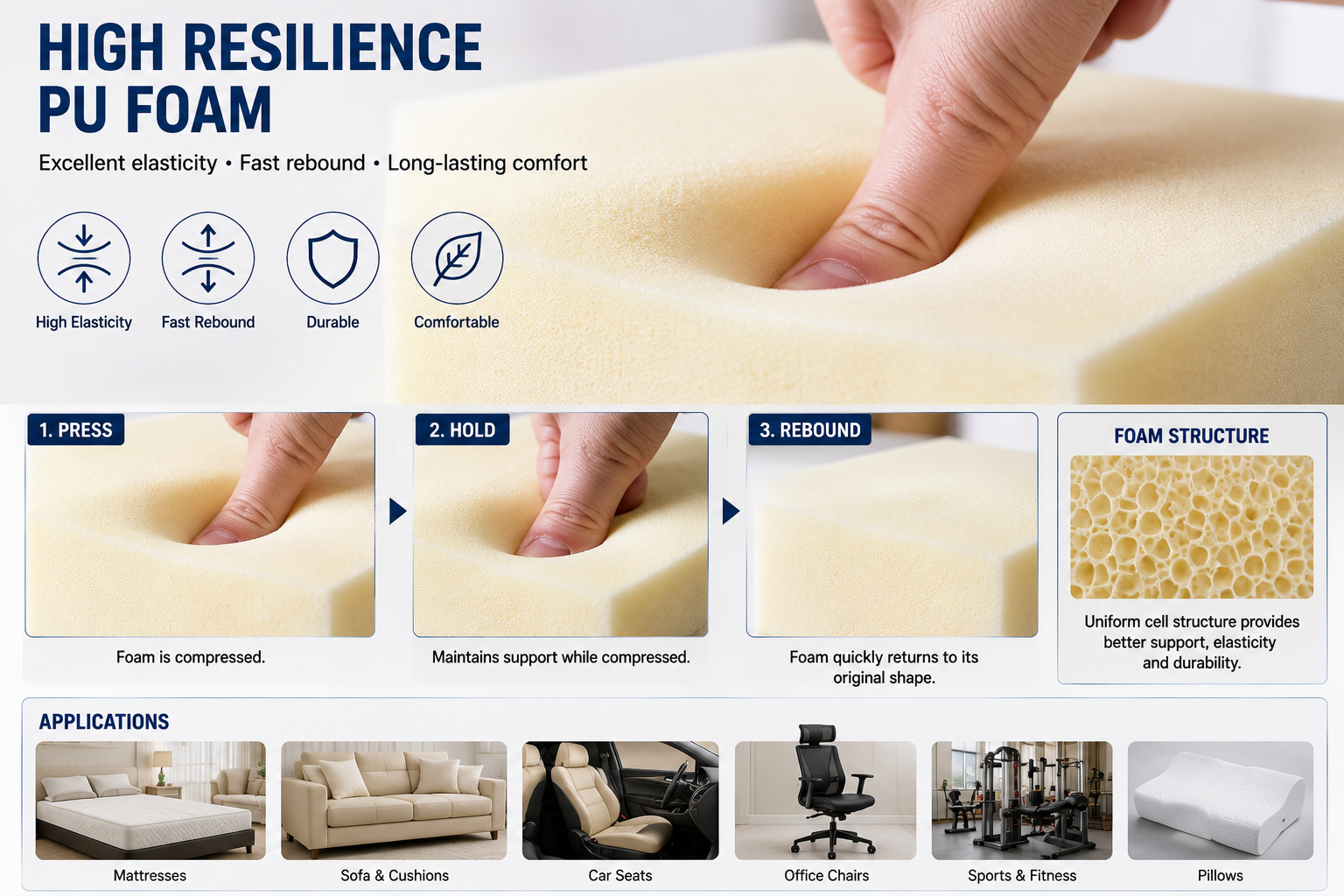
PU Foam Resilience refers to the ability of Polyurethane Foam to recover its original shape after being compressed or deformed. It is one of the most important performance indicators determining the comfort, durability, and service life of foam products.
High resilience foam provides:
- Excellent recovery after compression
- Superior comfort
- Longer product lifespan
- Better load-bearing capacity
- Reduced permanent deformation
- Improved customer satisfaction
For industries such as furniture, automotive, bedding, and medical equipment, resilience is a key factor in delivering premium-quality products.
Why Is High Resilience Important?
High resilience polyurethane foam offers several advantages over conventional foam, including:
- Greater durability
- Enhanced seating comfort
- Improved fatigue resistance
- Better shock absorption
- Longer service life
- Higher product value
Manufacturers aiming to produce premium furniture, mattresses, automotive seats, and ergonomic products should focus on optimizing foam resilience.
Factors Affecting PU Foam Resilience
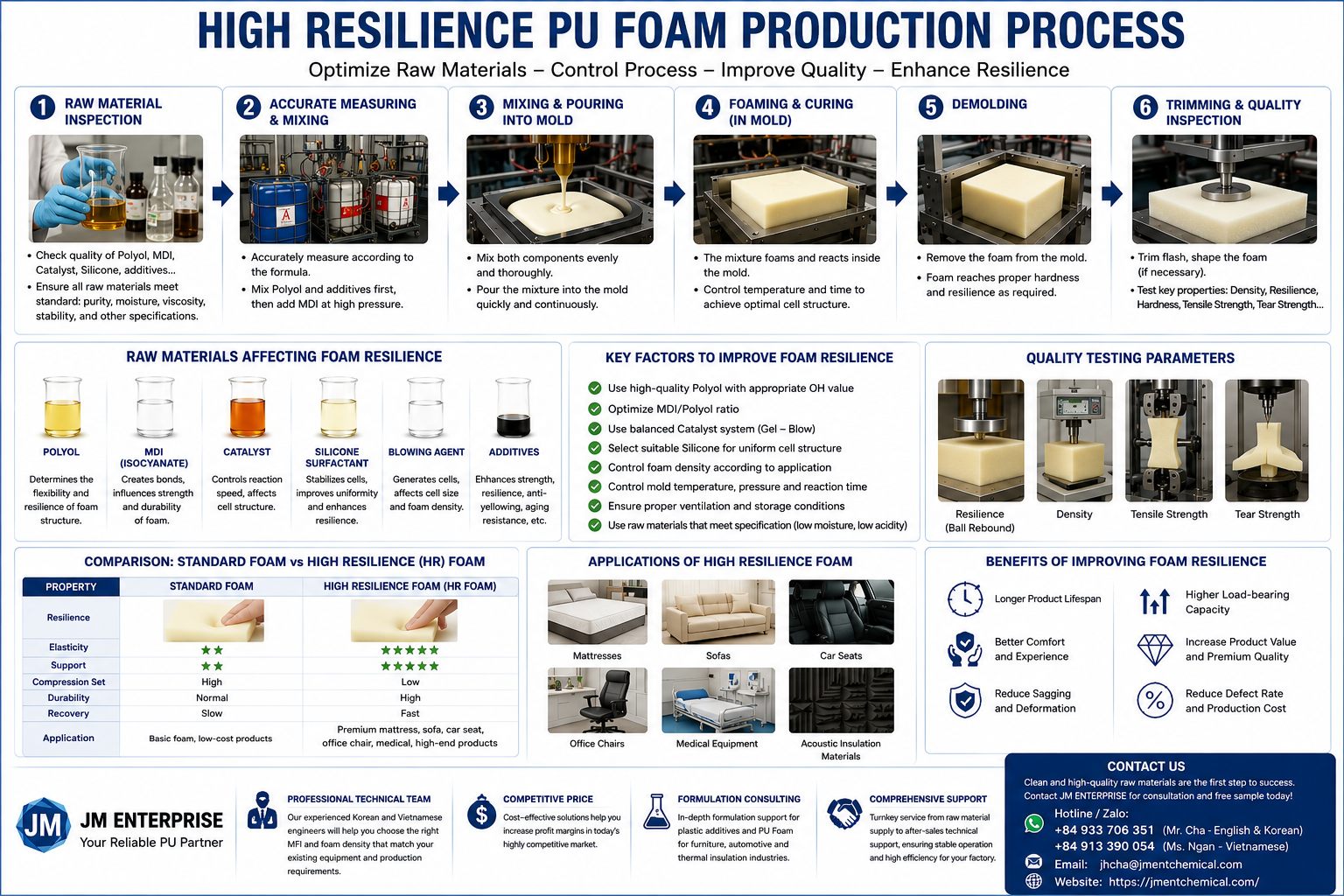
1. Polyol Selection
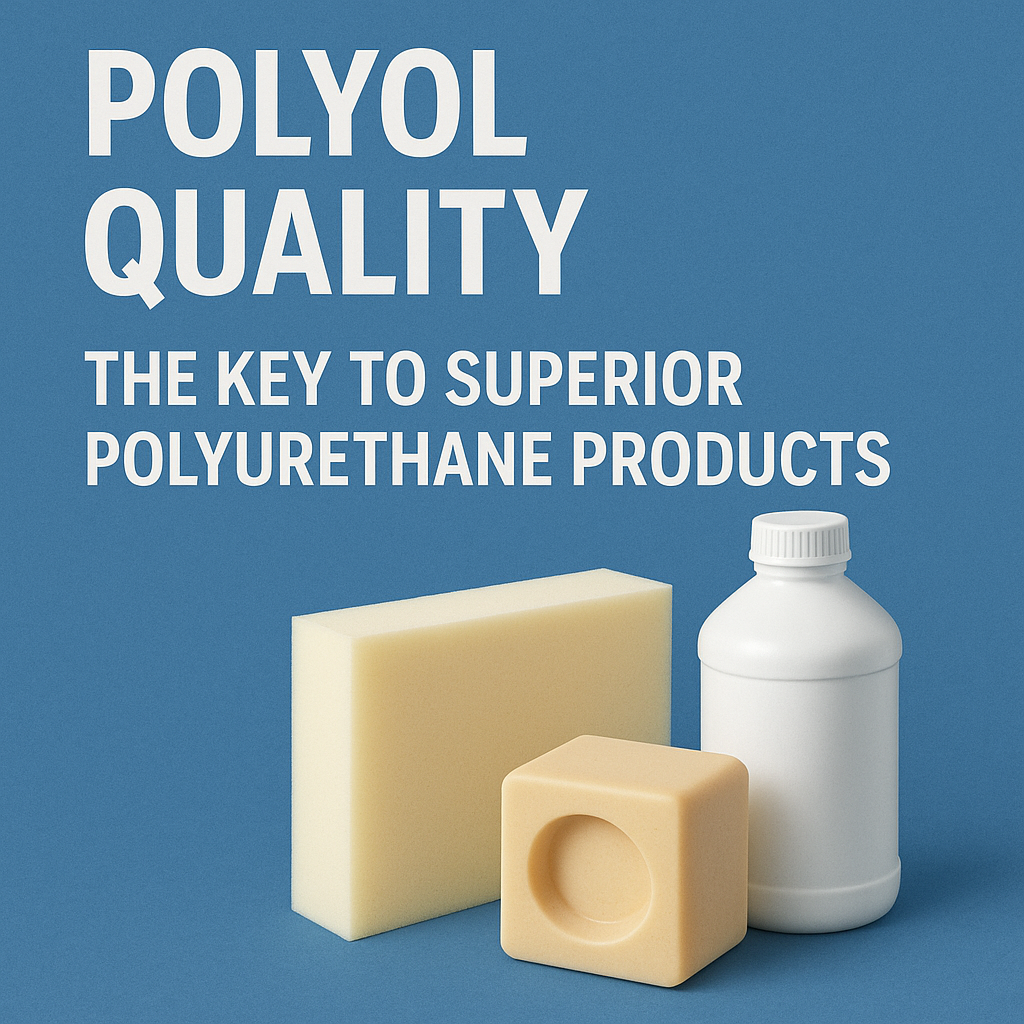
Polyol is the primary raw material that determines the flexibility and resilience of polyurethane foam.
High-quality Polyether Polyol typically provides:
- Better elasticity
- Uniform cell structure
- Higher resilience
- Improved aging resistance
Choosing the appropriate hydroxyl value and molecular weight is essential for achieving optimal performance.
2. MDI and Polyol Ratio
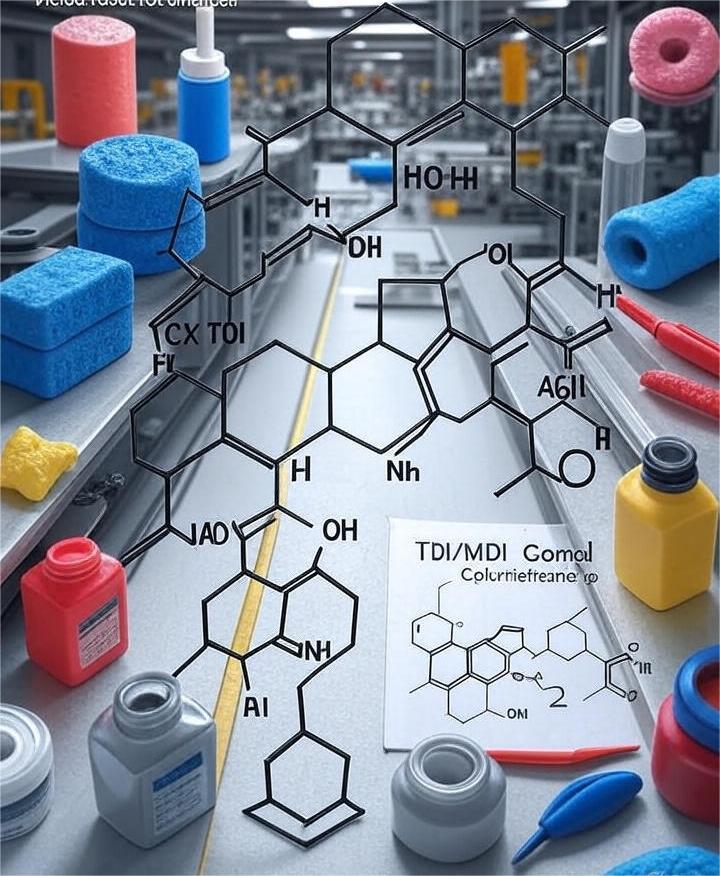
The ratio between MDI (Methylene Diphenyl Diisocyanate) and Polyol directly affects:
- Foam hardness
- Elasticity
- Compression set
- Tensile strength
- Load-bearing performance
A balanced formulation ensures stable polymer network formation and superior mechanical properties.
3. Silicone Surfactants
Silicone surfactants control foam cell formation by:
- Stabilizing foam expansion
- Producing uniform cell size
- Preventing cell collapse
- Improving resilience
- Enhancing surface quality
Selecting the correct silicone surfactant significantly improves final foam performance.
4. Catalyst Selection
Catalysts regulate the reaction speed between Polyol and MDI.
Proper catalyst systems help:
- Balance blowing and gelling reactions
- Improve foam consistency
- Optimize cell structure
- Increase resilience
5. Blowing Agents
Blowing agents determine:
- Foam density
- Cell size
- Foam softness
- Elasticity
- Dimensional stability
An optimized blowing system creates lightweight foam while maintaining excellent resilience.
6. Foam Density
Foam density is one of the most critical quality parameters.
Very low-density foam often results in:
- Poor resilience
- Reduced durability
- Faster collapse
Selecting the proper density according to product applications ensures optimal performance.
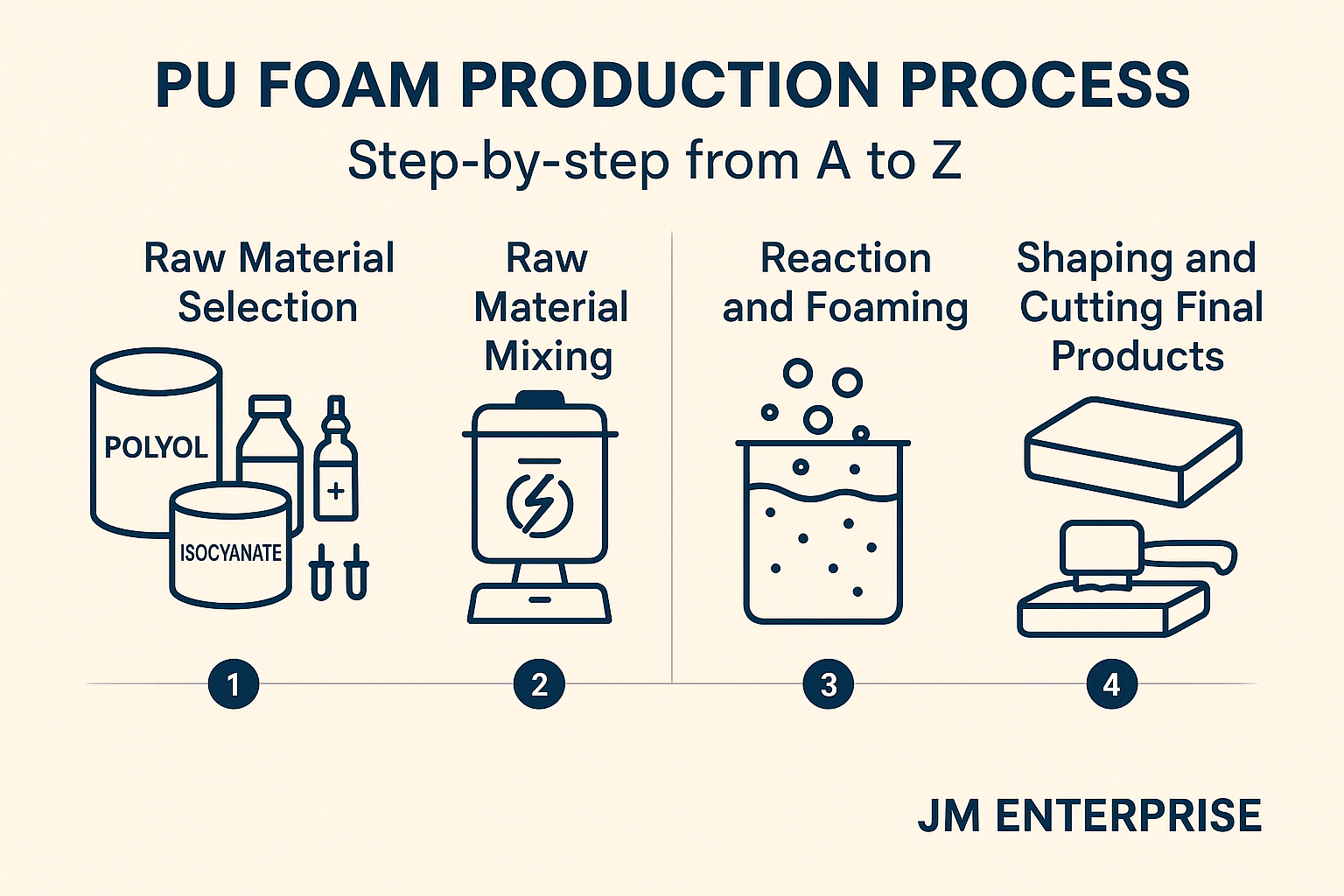
Manufacturing Process for High Resilience PU Foam
Step 1 – Raw Material Inspection
Inspect all raw materials before production, including:
- Polyol
- MDI
- Catalysts
- Silicone Surfactants
- Additives
High-quality raw materials are the foundation of premium foam.
Step 2 – Formula Optimization
Adjust the formulation by optimizing:
- Polyol-to-MDI ratio
- Catalyst system
- Silicone surfactants
- Blowing agents
- Performance additives
Every formulation should be tailored to the final product requirements.
Step 3 – Production Process Control
Monitor critical production parameters such as:
- Mixing pressure
- Raw material temperature
- Mold temperature
- Reaction time
- Foam rise profile
Consistent process control leads to stable product quality.
Step 4 – Quality Testing
Evaluate foam performance using:
- Density
- Ball Rebound (Resilience)
- Compression Set
- Tensile Strength
- Tear Strength
- Elongation at Break
- Cell Structure Analysis
These tests ensure the foam meets customer specifications and international quality standards.
Common Causes of Low Foam Resilience
Several issues may reduce foam elasticity:
- Incorrect MDI ratio
- Low-quality Polyol
- Improper silicone surfactant
- Poor catalyst selection
- Excessive moisture
- Uneven cell structure
- Unoptimized formulation
Identifying and correcting these issues helps reduce production defects and improve manufacturing efficiency.
Applications of High Resilience PU Foam
High Resilience (HR) PU Foam is widely used in various industries.
Furniture Industry
- Premium mattresses
- Sofas
- Office chairs
- Theater seating
Automotive Industry
- Car seats
- Armrests
- Headrests
- Interior cushioning
Medical Equipment
- Pressure-relief cushions
- Hospital beds
- Rehabilitation devices
Industrial Applications
- Shock-absorbing pads
- Protective components
- Industrial cushioning systems
Benefits of Improving PU Foam Resilience
Manufacturers can achieve numerous advantages by increasing foam resilience:
- Longer product lifespan
- Improved customer comfort
- Better mechanical performance
- Reduced foam collapse
- Higher product quality
- Lower defect rates
- Increased production efficiency
- Better market competitiveness
Why Choose JM ENTERPRISE?
JM ENTERPRISE is a trusted supplier of premium Polyurethane raw materials and technical solutions for foam manufacturers worldwide.
Professional Technical Team
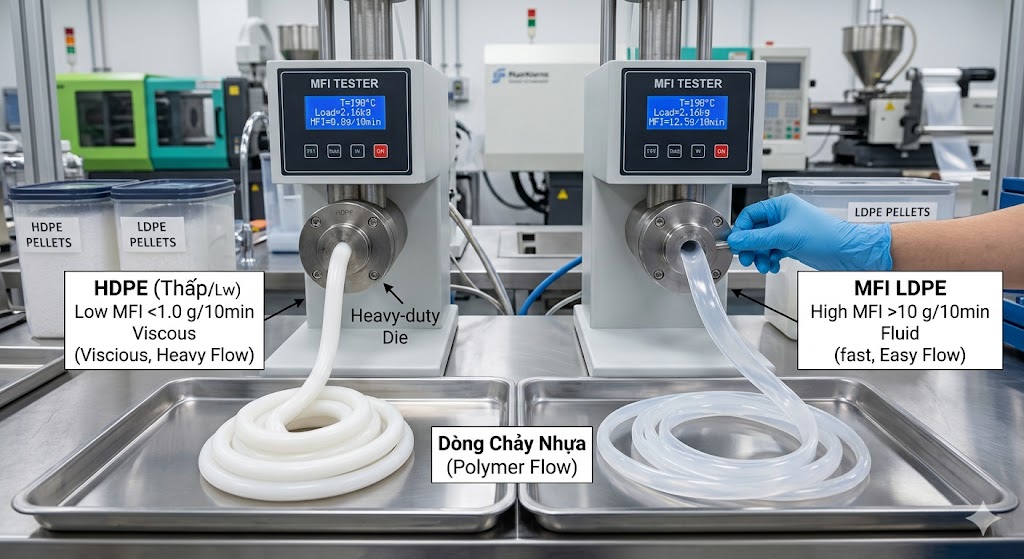
Our experienced Korean and Vietnamese engineers provide comprehensive technical support to help customers optimize PU formulations and production processes. We also assist in selecting the appropriate Melt Flow Index (MFI) for related plastic materials and the optimal foam density to match existing manufacturing equipment.
Competitive Pricing
We deliver cost-effective raw material solutions that help manufacturers reduce production costs, improve profit margins, and remain competitive in today's global market.
Professional Formulation Consulting
Our technical specialists provide customized formulation support for plastic additives and PU Foam systems used in:
- Furniture
- Automotive
- Medical equipment
- Thermal insulation
- Industrial products
Comprehensive Turnkey Support
JM ENTERPRISE offers complete turnkey services, including raw material supply, formulation development, production optimization, troubleshooting, technical training, and after-sales support to ensure stable and efficient manufacturing operations.
Contact JM ENTERPRISE
Premium raw materials are the foundation of successful PU foam production. Contact JM ENTERPRISE today for professional technical consultation and free sample evaluation.
Hotline / WhatsApp
+84 933 706 351 (Mr. Cha – English & Korean)
+84 913 390 054 (Ms. Ngan – Vietnamese)
Email: jhcha@jmentchemical.com
Website: https://jmentchemical.com/