HCM HEAD OFFICE: Room S15, Saigon Pearl, 92C Nguyen Huu Canh, Thanh My Tay Ward, Ho Chi Minh City
HANOI BRANCH: N45-TT4 Do Dinh Thien Street, My Dinh – Song Da Urban Area, Tu Liem Ward, Hanoi
24/7
Call Now
+84 933 706 351
JMENTERPRISE CO., LTD.
Mail Now
jhcha@jmentchemical.com
The Key to Elevating Vietnamese Footwear

The Key to Elevating Vietnamese Footwear

Nano-Waterproofing Technology: The Key to Elevating Vietnamese Footwear Value

In the modern fashion era, the industry is shifting strongly toward Functional Fashion. Vietnamese footwear brands have a golden opportunity to break through by integrating advanced technology. The decisive factor for this transformation is the application of Nano-Waterproofing Technology.

1. The Chemical Science Behind the Nano Revolution

Nano technology is far more than just a surface coating. At JM, we dive deep into molecular structures to create the most durable protective barriers.

The Invisible Shield Mechanism

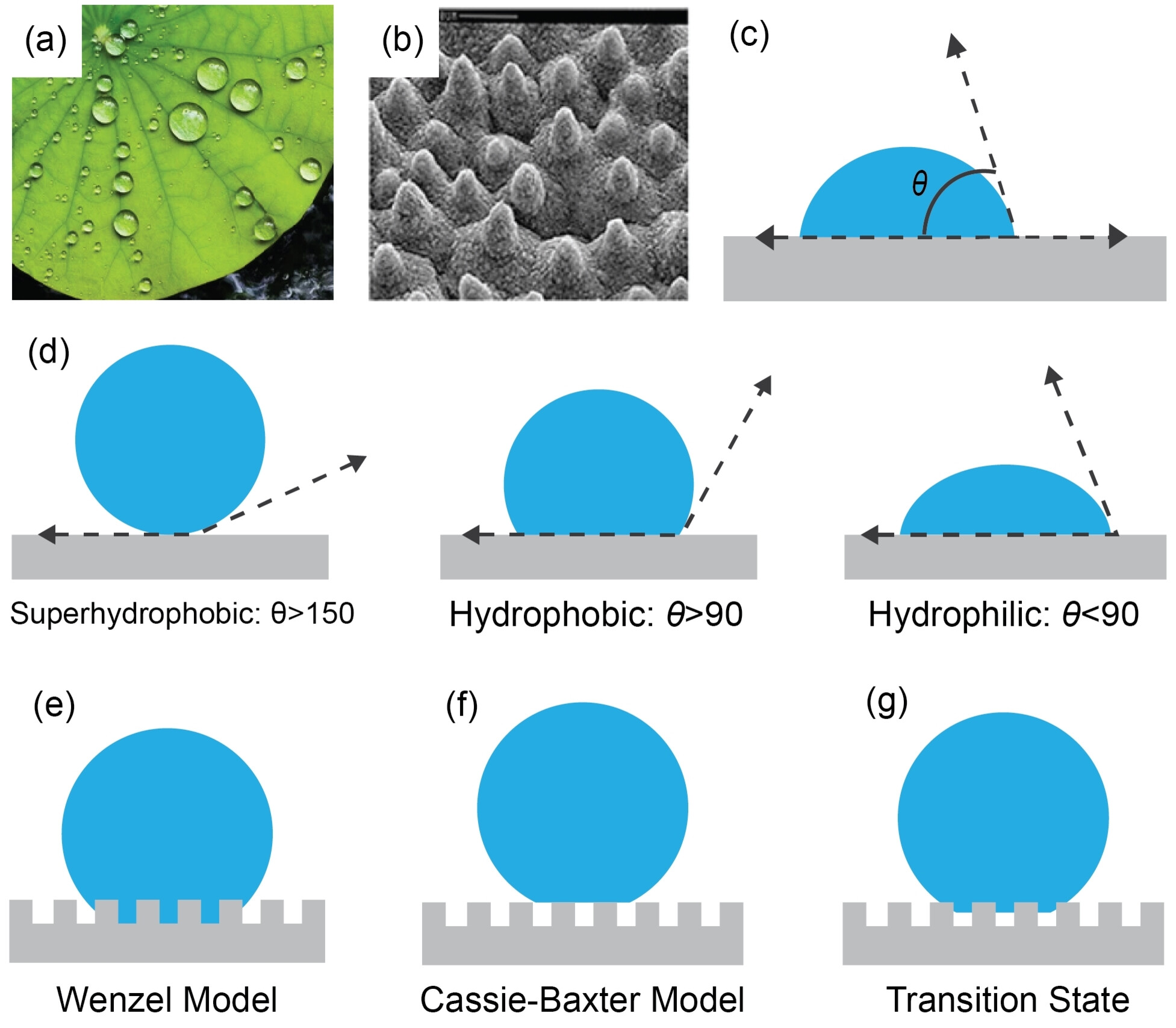
JM’s waterproofing chemicals contain ultra-fine particles ranging from 1 to 100 nanometers. When applied to shoe surfaces (fabric, leather, or mesh), these molecules self-assemble into a microscopic mountain-and-valley structure. This structure lowers the surface energy of the shoe to a level significantly lower than the surface tension of water, creating a perfect Lotus Effect.
Durable Covalent Bonding

Unlike cheap retail nano sprays that only offer temporary protection, JM’s specialized chemicals form direct covalent bonds with Cellulose fibers (in fabric) or Collagen fibers (in leather). This ensures the waterproofing layer remains intact against mechanical friction and does not wash away with standard cleaning agents.

2. JM: Tailored Waterproofing Solutions for Every Material

Every shoe material has unique physicochemical properties. Understanding this, JM has developed a specialized chemical ecosystem that ensures maximum efficiency without altering the color or texture of the product.

  • JM-AquaCanvas Series: Optimized for canvas shoes and sneakers. It penetrates deep into the fibers while maintaining the shoe's breathability—allowing moisture from the feet to escape.
  • JM-LeatherPremium Series: Designed specifically for genuine and synthetic leather. Besides waterproofing, it contains nourishing agents to prevent leather from cracking or molding.
  • JM-EcoFriendly Series: A Green Solution that is PFC-free (Perfluorocarbons), helping manufacturers achieve international export certifications such as OEKO-TEX or Bluesign.

3. Why Should Vietnamese Manufacturers Partner with JM?

Elevating Brand Positioning

Instead of competing solely on price, integrating waterproofing features allows Vietnamese brands to enter the premium segment. Customers are willing to pay 15-30% more for shoes that are weather-ready and protected against unpredictable rain.

Optimizing Production Efficiency

JM’s chemicals are designed for seamless integration into existing finishing lines in Vietnamese factories. We provide on-site technical support to help businesses optimize consumption rates, thereby reducing Operating Expenses (OPEX) while achieving international quality standards.

JM Expert Insight: Nano technology is no longer a luxury; it is the new standard for the modern footwear industry. Companies that master this technology early will win the trust of global consumers.

4. Conclusion

Applying Nano-Waterproofing Technology is a strategic move to elevate the value of Made in Vietnam footwear. With JM as your technical partner, local brands can confidently compete with international giants through superior quality and innovation.

JM Enterprise – Excellence in Durability and Quality for Every Step.

📞 Contact Us Today for Quotation & Technical Advice

📍 JM ENTERPRISE
☎️ Hotline/Zalo: 84 933 706 351 Mr Cha (speak English) 84 913390054 Ms Ngan ( speak Vietnamese)
📧 Email: jhcha@jmentchemical.com
🌐 Website: https://jmentchemical.com/
Let your brand be part of the global green revolution!

Newest Blogs

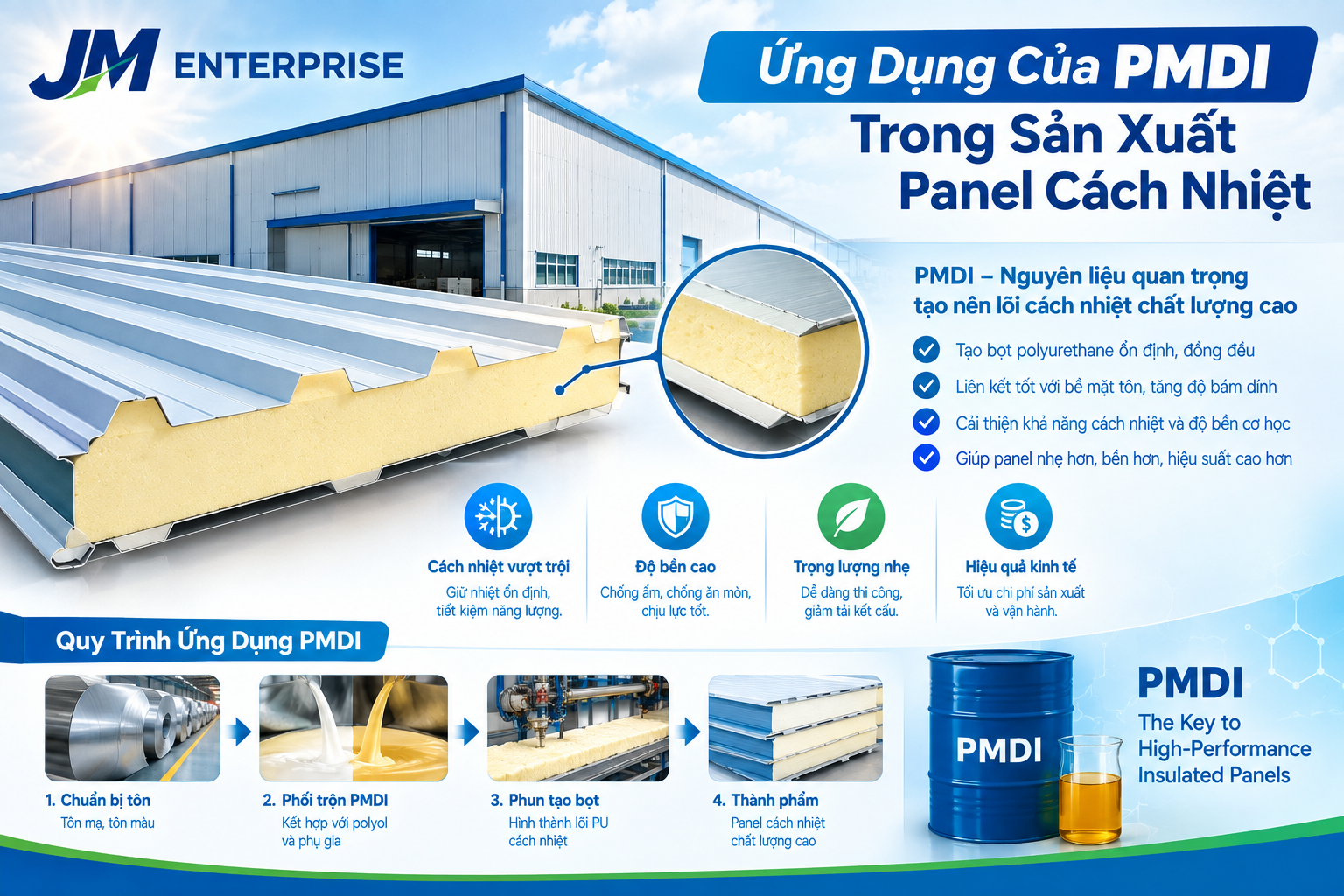
Application of PMDI in Thermal Insulation Panel Production: A Complete Technical Guide

Discover the essential role and application of PMDI in thermal insulation panel...

Factory Roof Heat Insulation Solutions Using PU Panels and Polyurethane Materials

Discover factory roof heat insulation solutions using PU panels and Polyurethane...

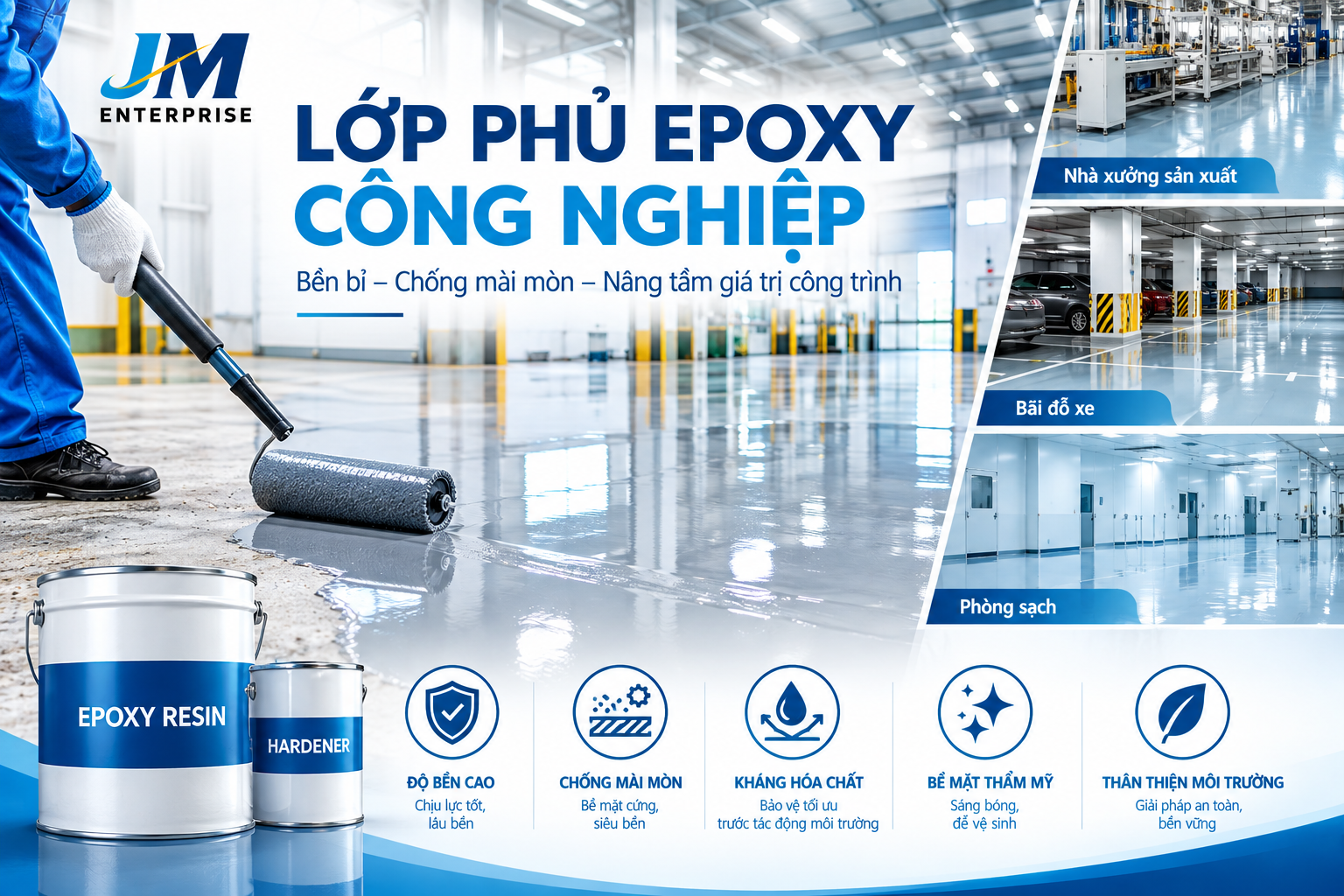
Epoxy Resin for Industrial Coatings: A Comprehensive Technical Guide

A comprehensive guide to Epoxy Resin for Industrial Coatings. Discover key epoxy...

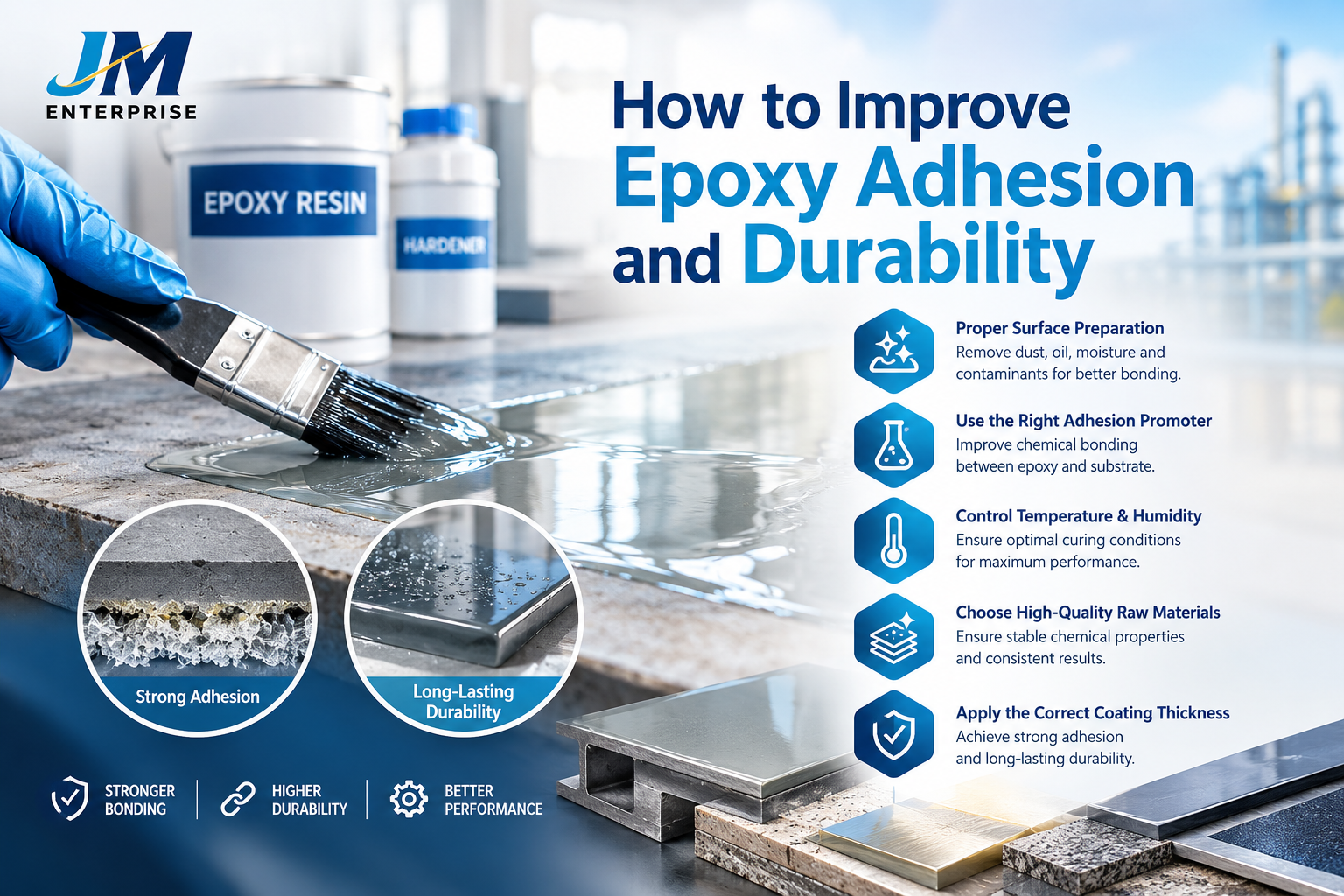
How to Improve Epoxy Adhesion and Durability

Discover proven methods to improve epoxy adhesion and long-term durability in in...

Epoxy Resin vs Polyurethane Resin: Key Differences & Selection Guide

Compare Epoxy Resin vs Polyurethane Resin (PU) in detail. Explore key difference...

How to Choose the Right Epoxy Resin for Industrial Applications

Learn how to choose the right epoxy resin for industrial applications. Explore k...

Most Viewed Blogs

Eco-Friendly PU Adhesive for Sustainable Packaging

Durable PU laminating adhesive – solvent resistant, internationally certified....

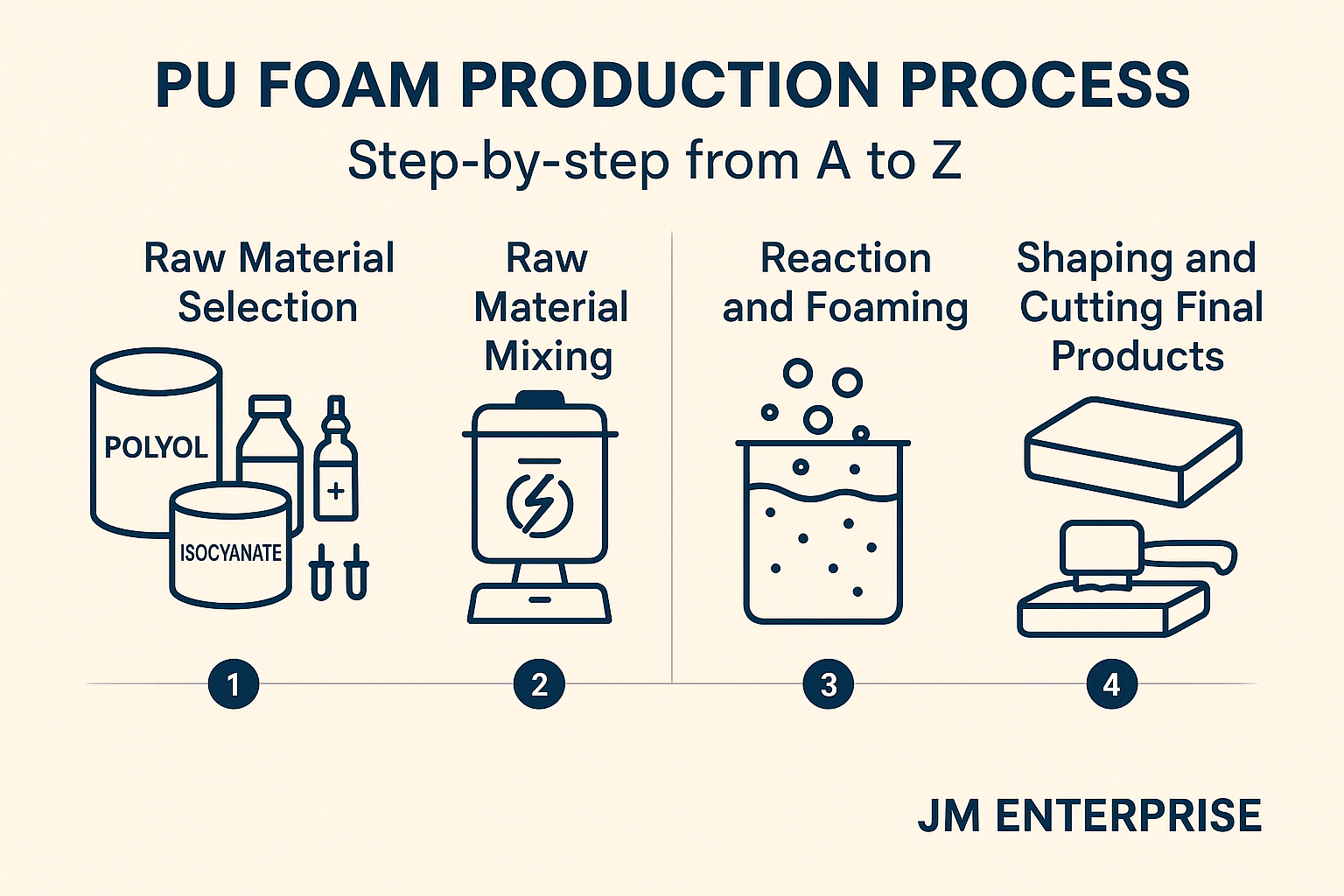
PU Foam Production Process: A Step-by-Step Guide from A to Z

Explore the complete PU foam production process from A to Z and discover how sou...

TPU and Sustainability: Is It an Eco-Friendly Material?

Discover whether TPU is truly eco-friendly, its recyclability, product life cycl...

Hydroxy and Oxygen Content in Polyol – The Key to High-Quality Polyurethane Production

How OH and oxygen content in polyol affect polyurethane performance. Learn how t...

TDI/MDI – Complete Solutions for Your PU Production Needs

JM Enterprise supplies high-quality MDI and TDI for PU production in Vietnam. Co...

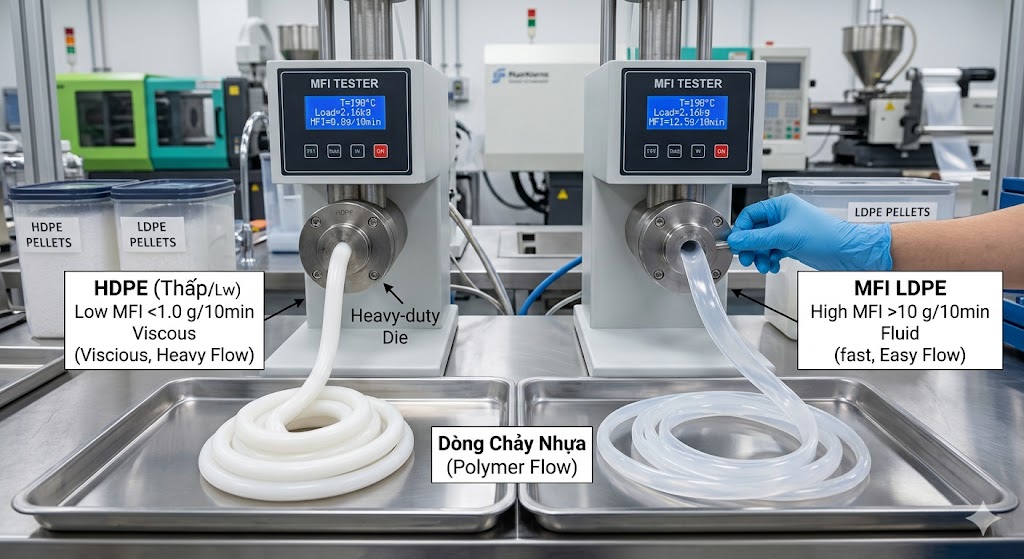
Impact of Melt Flow Index (MFI) on HDPE/LDPE Extrusion & Film Blowing | JM ENTERPRISE

Understand how MFI affects the production of HDPE and LDPE. Expert technical ins...

Related Blogs

Factory Roof Heat Insulation Solutions Using PU Panels and Polyurethane Materials

Discover factory roof heat insulation solutions using PU panels and Polyurethane...

Epoxy Resin for Industrial Coatings: A Comprehensive Technical Guide

A comprehensive guide to Epoxy Resin for Industrial Coatings. Discover key epoxy...

Polyurethane (PU) Foam Cellular Architecture: The Core Factor Driving Product Quality

Explore the cellular architecture of PU Foam in detail: Open-Cell, Mixed-Cell, a...

How to Improve Epoxy Adhesion and Durability

Discover proven methods to improve epoxy adhesion and long-term durability in in...

Application of PMDI in Thermal Insulation Panel Production: A Complete Technical Guide

Discover the essential role and application of PMDI in thermal insulation panel...

Integral Skin Foam Manufacturing Process: PU Raw Materials, Production Steps & Quality Control

Discover the complete Integral Skin Foam manufacturing process, including PU raw...

Zalo Zalo