HCM HEAD OFFICE: Room S15, Saigon Pearl, 92C Nguyen Huu Canh, Thanh My Tay Ward, Ho Chi Minh City
HANOI BRANCH: N45-TT4 Do Dinh Thien Street, My Dinh – Song Da Urban Area, Tu Liem Ward, Hanoi
24/7
Call Now
+84 933 706 351
JMENTERPRISE CO., LTD.
Mail Now
jhcha@jmentchemical.com
Water Repellency Mechanism of JM Enterprise Chemicals

Water Repellency Mechanism of JM Enterprise Chemicals

1. Technical Analysis: Water Repellency Mechanism of JM Enterprise Chemicals

Unlike traditional waterproof waxes that clog fabric pores, JM Enterprise chemicals function through a sophisticated surface energy modification at the molecular level.

The Nano-Spike Mechanism (Lotus Effect)

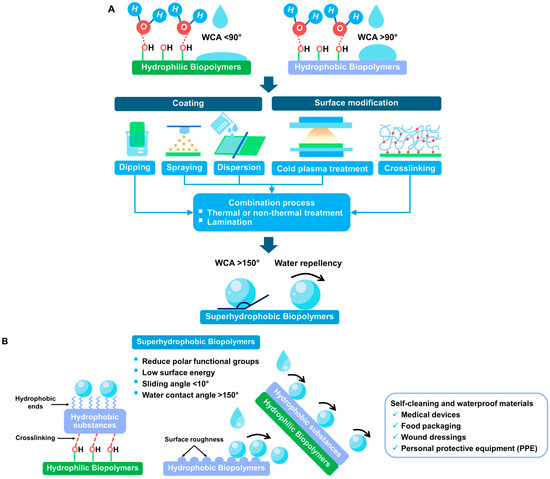
When fabric is treated with JM Enterprise chemicals, the fluorocarbon (or fluorine-free) polymers self-assemble into a microscopic forest of spikes.

  • Surface Tension: The chemical reduces the surface energy of the fabric to an extremely low level (significantly lower than the surface tension of water).
  • Contact Angle: On untreated fabric, the contact angle is typically  < 90(water absorbs). After JM treatment, the contact angle reaches 130 to 155, achieving Super-Hydrophobic status.

Air Permeability (Breathability)

The JM Enterprise coating is non-film-forming. It encapsulates individual fibers rather than sealing the gaps between them. This allows water vapor molecules (perspiration) to escape while preventing liquid droplets (rain, spills) from penetrating.

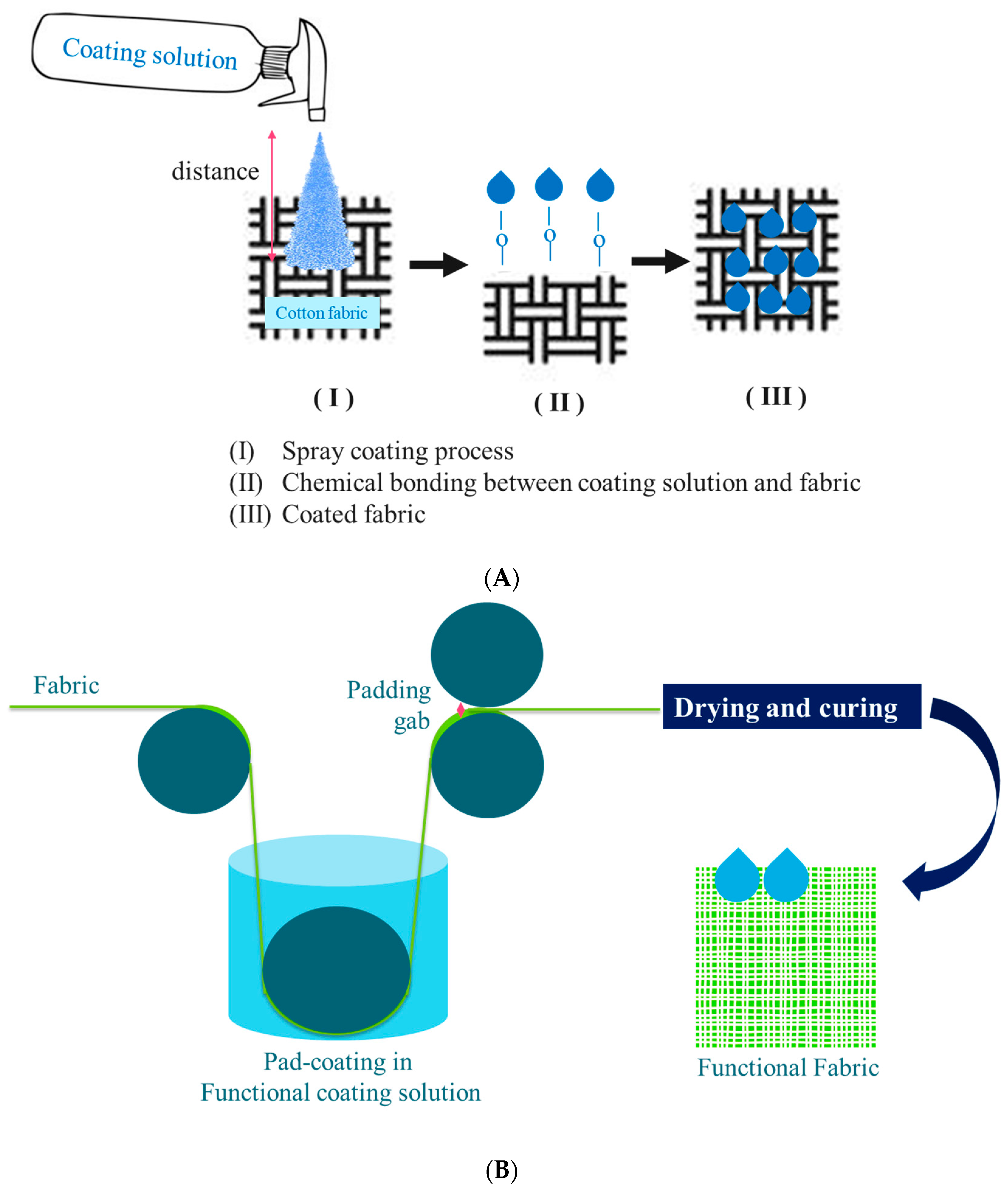
2. Standard Operating Procedure (SOP) for Factory Application

To achieve optimal water repellency and high laundry durability, technicians must adhere to the following processing steps:

Step 1: Pre-treatment

The fabric must be entirely free of impurities, sizing agents, and residual dyeing auxiliaries. These residues can interfere with the cross-linking between the JM chemical and the textile fibers.

Step 2: Padding Bath Preparation

  • Concentration: Typically ranges from 20g/L to 50g/L depending on the substrate (Cotton requires higher concentrations than Polyester).
  • pH Level: Maintain the pad bath pH at 4.0 - 5.5 for maximum chemical stability.

Step 3: Padding

Use a padding mangle with calculated nip pressure to achieve a wet pick-up (WPU) of 60% - 80%.

Step 4: Drying and Curing

This is the critical stage for activating water-repellent properties:

  • Pre-drying:
  • Curing: for 60 - 90 seconds. This heat causes the molecular chains to reorient and bond permanently to the fiber surface.
3. Quality Control Standards (Testing)

JM Enterprise chemicals are engineered to meet the most stringent international standards:

  • AATCC 22 (Spray Test): Measures surface water repellency (Scale of 0-100). JM-treated products typically score 90-100 (initial).
  • AATCC 124 (Washing Durability): Evaluates performance retention after 10, 20, or 50 industrial wash cycles.
  • ISO 811 (Hydrostatic Pressure): Measures resistance to water penetration under pressure (applicable for outdoor gear and protective wear).

4. Technical Troubleshooting Guide

Issue

Potential Cause

JM Technical Solution

Uneven Repellency

Residual sizing or impurities.

Enhance pre-treatment washing processes.

Poor Wash Durability

Insufficient Curing temperature.

Verify actual fabric temperature inside the stenter.

Yellowing (Fabric Discoloration)

Temperature too high or improper pH.

Lower curing temperature, increase dwell time, or adjust pH to 5.0.

Harsh Hand-feel

Excessively high concentration.

Re-calibrate the recipe and check water hardness.

5. Contact JM Enterprise Technical Support

JM Enterprise – Excellence in Durability and Quality for Every Step.

📞 Contact Us Today for Quotation & Technical Advice

📍 JM ENTERPRISE
☎️ Hotline/Zalo: 84 933 706 351 Mr Cha (speak English) 84 913390054 Ms Ngan ( speak Vietnamese)
📧 Email: jhcha@jmentchemical.com
🌐 Website: https://jmentchemical.com/

Let your brand be part of the global green revolution!

Newest Blogs

Epoxy Resin vs Polyurethane Resin: Key Differences & Selection Guide

Compare Epoxy Resin vs Polyurethane Resin (PU) in detail. Explore key difference...

How to Choose the Right Epoxy Resin for Industrial Applications

Learn how to choose the right epoxy resin for industrial applications. Explore k...

Zero-Carbon Emission Reduction Solutions

Explore Zero-Carbon emission reduction solutions using PU foam insulation. Learn...

In-Depth Analysis of Epoxy vs Epoxy Resin: Chemical Nature, Technical Properties, and Industrial Applications

An in-depth technical analysis of Epoxy vs Epoxy Resin. Clarify terminology, che...

Low-VOC Trends: Comprehensive Guide to Odorless Catalysts & Additives for Export-Grade PU Foam

Discover Low-VOC additives & reactive catalysts for PU Foam: Eliminate amine odo...

Fixing PU Foam Post-Demold Shrinkage & Distortion: Technical Causes & Line Solutions

Troubleshoot PU Foam shrinkage and distortion post-demolding: Uncover closed-cel...

Most Viewed Blogs

Eco-Friendly PU Adhesive for Sustainable Packaging

Durable PU laminating adhesive – solvent resistant, internationally certified....

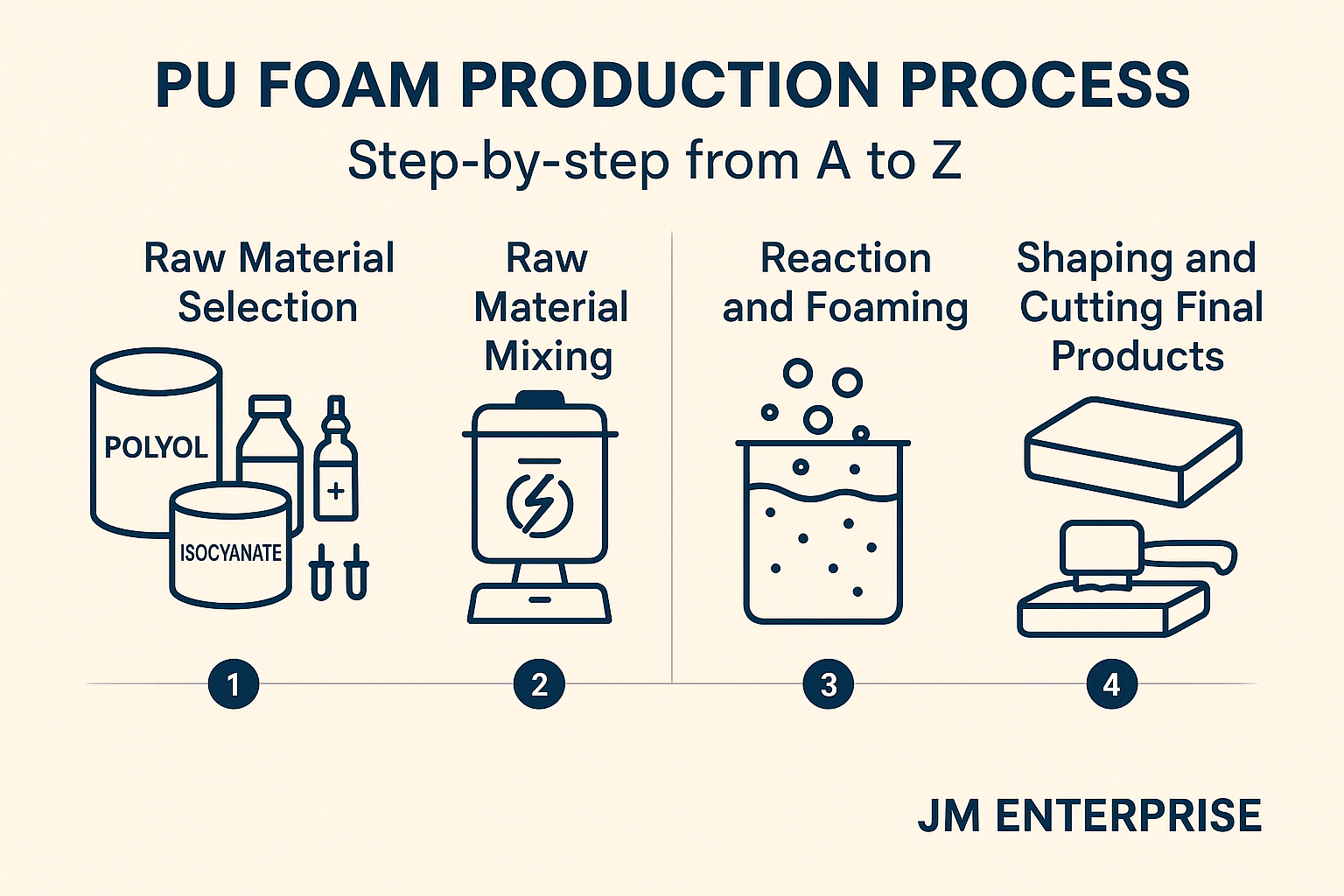
PU Foam Production Process: A Step-by-Step Guide from A to Z

Explore the complete PU foam production process from A to Z and discover how sou...

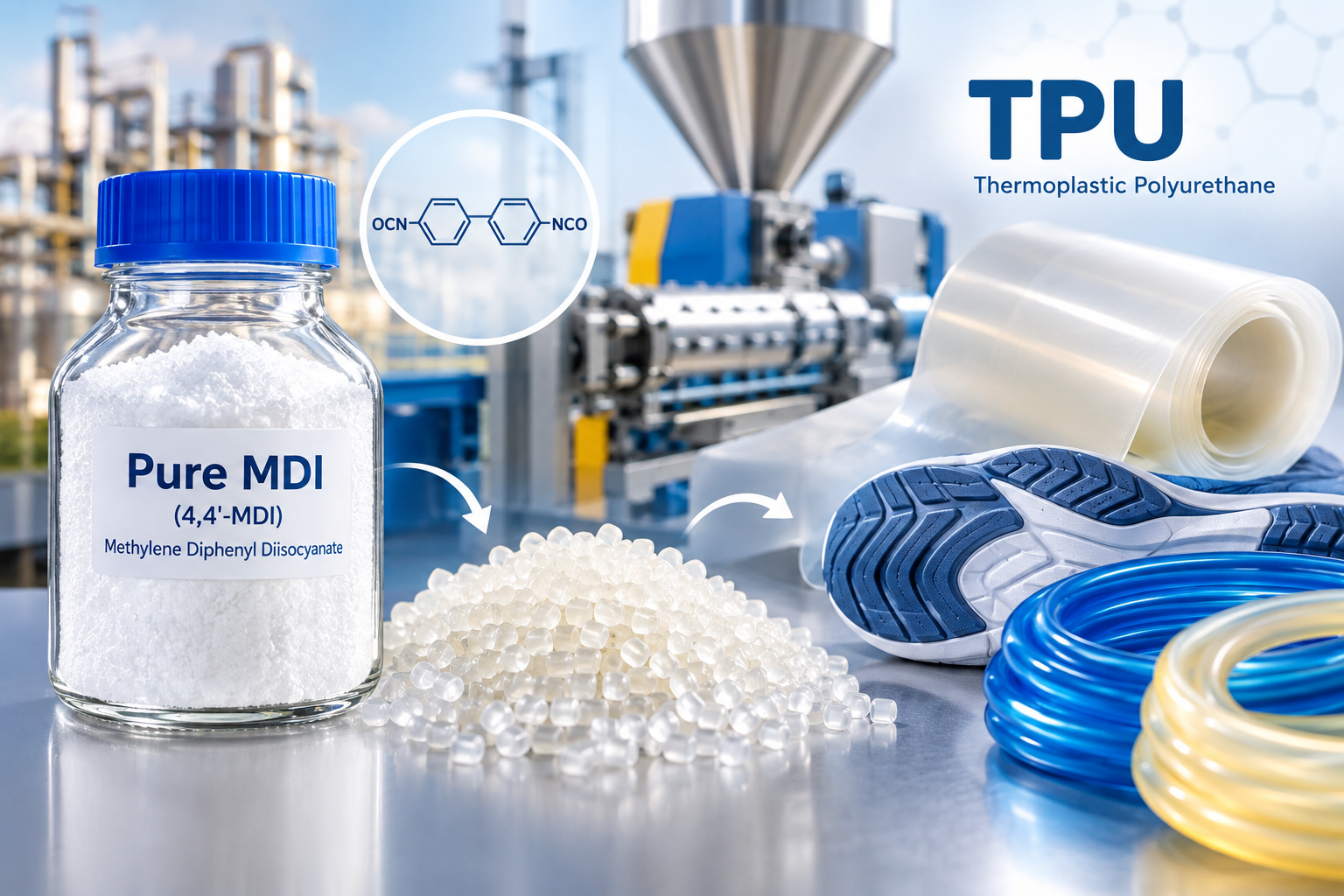
TPU and Sustainability: Is It an Eco-Friendly Material?

Discover whether TPU is truly eco-friendly, its recyclability, product life cycl...

Hydroxy and Oxygen Content in Polyol – The Key to High-Quality Polyurethane Production

How OH and oxygen content in polyol affect polyurethane performance. Learn how t...

TDI/MDI – Complete Solutions for Your PU Production Needs

JM Enterprise supplies high-quality MDI and TDI for PU production in Vietnam. Co...

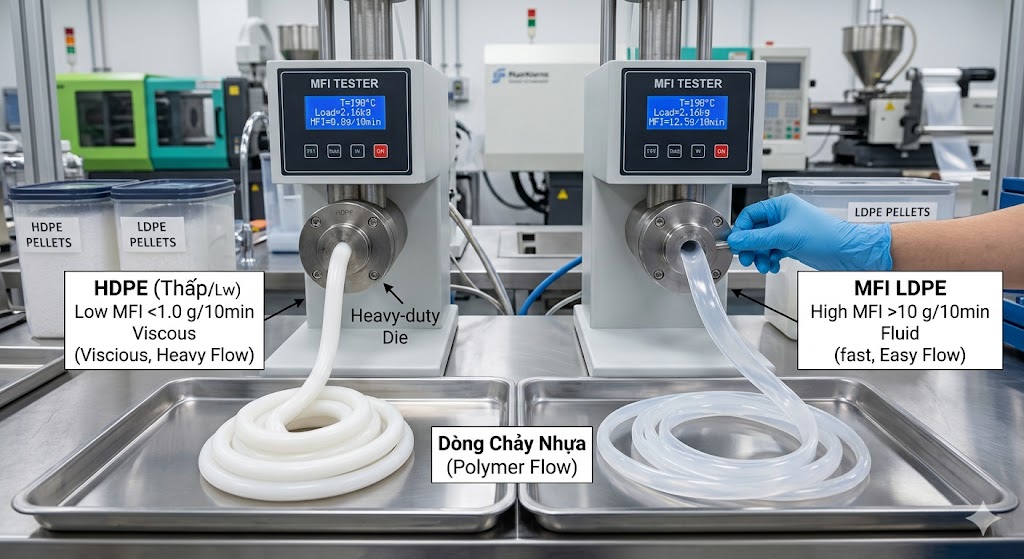
Impact of Melt Flow Index (MFI) on HDPE/LDPE Extrusion & Film Blowing | JM ENTERPRISE

Understand how MFI affects the production of HDPE and LDPE. Expert technical ins...

Related Blogs

PU Foam Chemicals: Applications, Properties, and Outstanding Advantages in 2025

In today's modern industry, PU Foam chemicals (Polyurethane Foam) have become th...

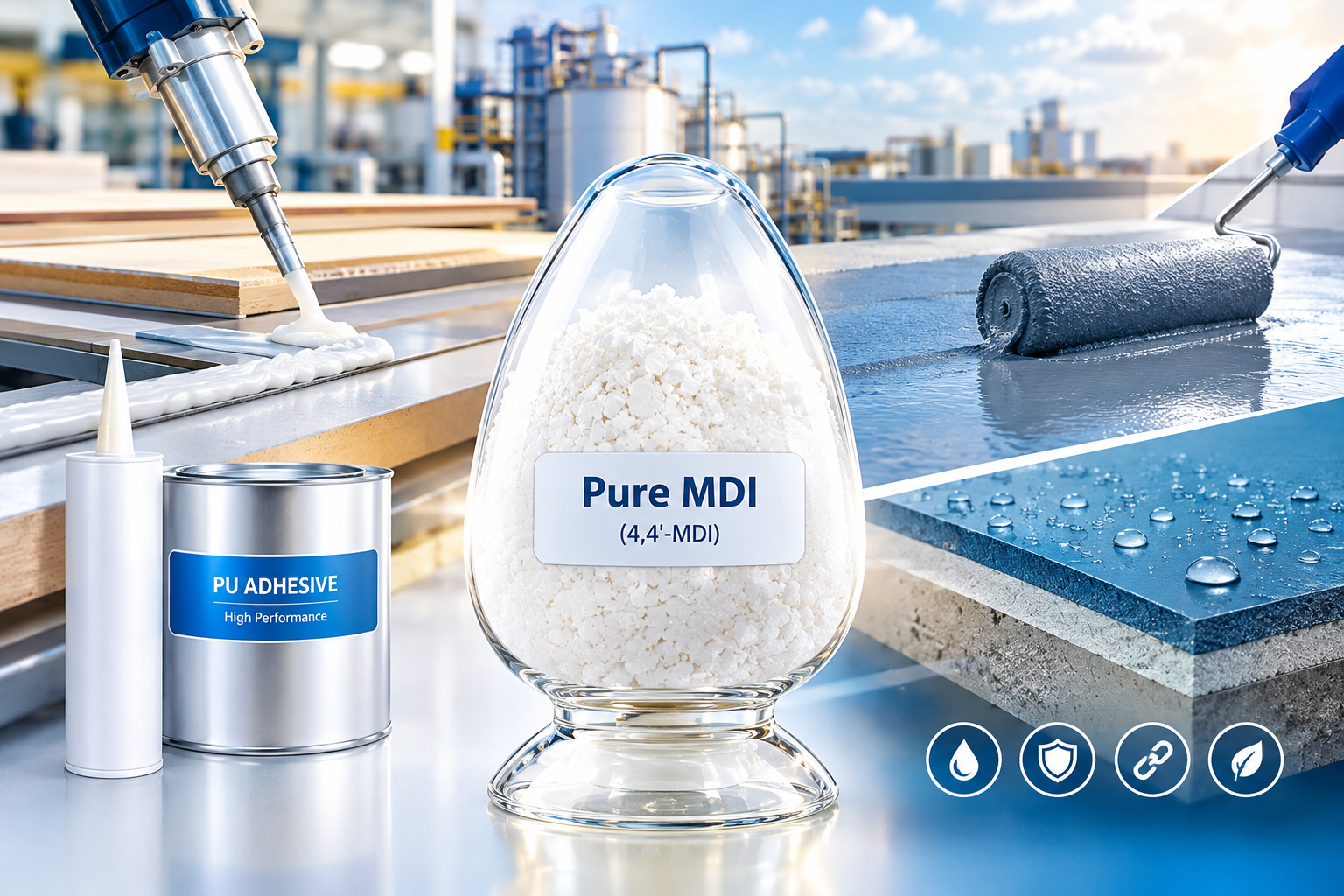
Top 5 Adhesives for Export Packaging – Power of Solvent-Free PU

Explore the top 5 adhesives for export packaging in 2025 compliant with EU & US...

Comprehensive Solutions for Industrial Outsoles & Footwear Chemicals

JM Enterprise specializes in high-quality industrial outsoles, water-repellent c...

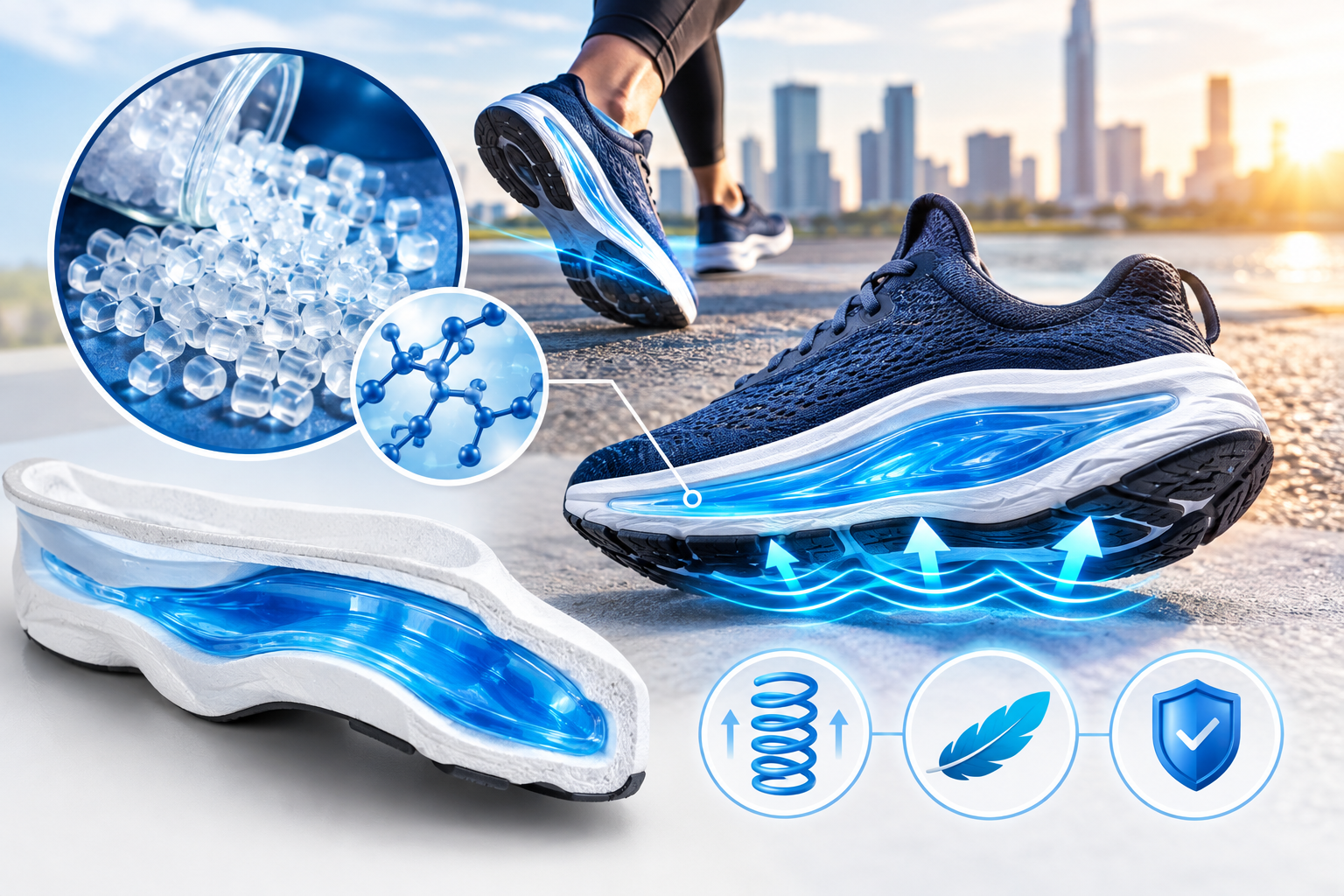
TPU for Insoles: A Comfortable and Durable Solution for Your Feet

Discover why TPU is widely used in insole production. This material provides sof...

5 Tips to Reduce Shoe Sole Defects & JM Enterprise Solutions

Learn how to reduce shoe sole defects in injection molding. Discover criteria fo...

Top 5 Causes of PU Foam Degradation, Crumbling & Stickiness: Root-Cause Prevention Guide

Uncover the Top 5 reasons why PU Foam crumbles, degrades, and turns sticky: In-d...

Zalo Zalo