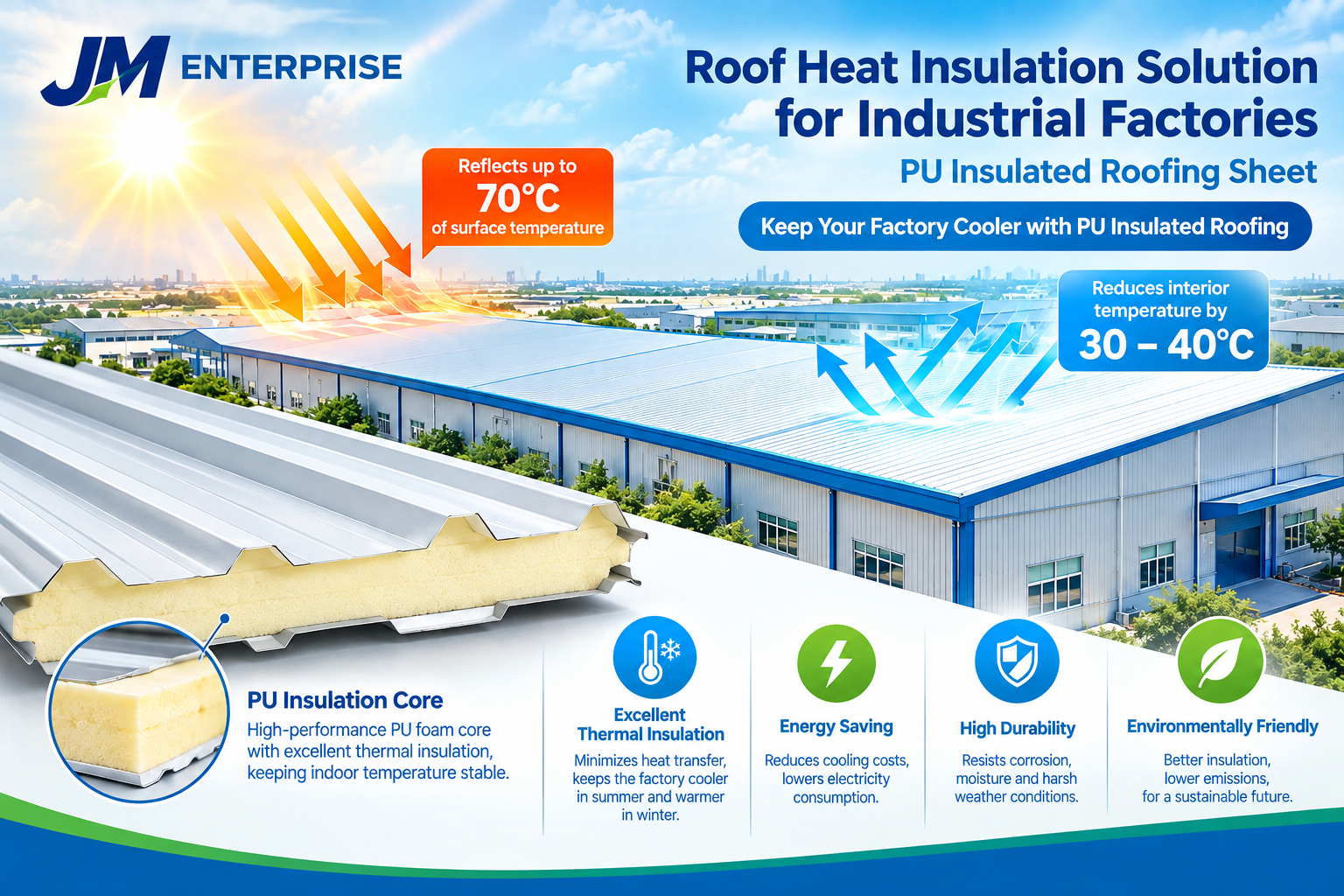
During hot summer months, metal factory roofs can absorb solar radiation and reach temperatures between 60∘C and 70∘C
 , radiating massive amounts of heat into the production floor below. This thermal stress impairs worker productivity, causes machinery overheating, and drastically increases energy costs driven by industrial cooling systems.
To permanently resolve this issue, factory roof heat insulation solutions using PU panels and Polyurethane (PU) materials have become the gold standard for facility owners seeking superior thermal efficiency, structural longevity, and long-term cost savings.
1. Why Polyurethane (PU) is the Premier Roof Insulation Material
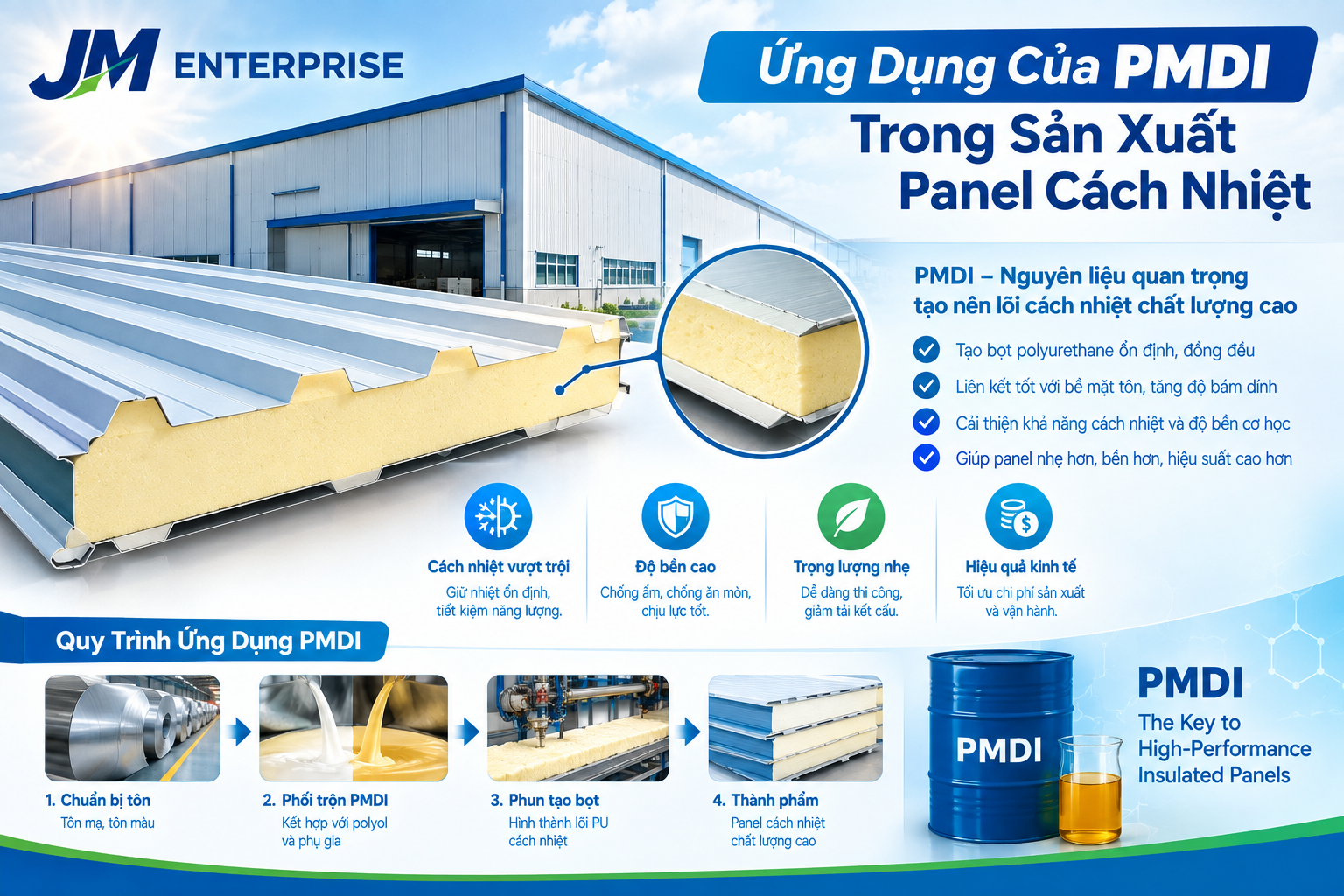
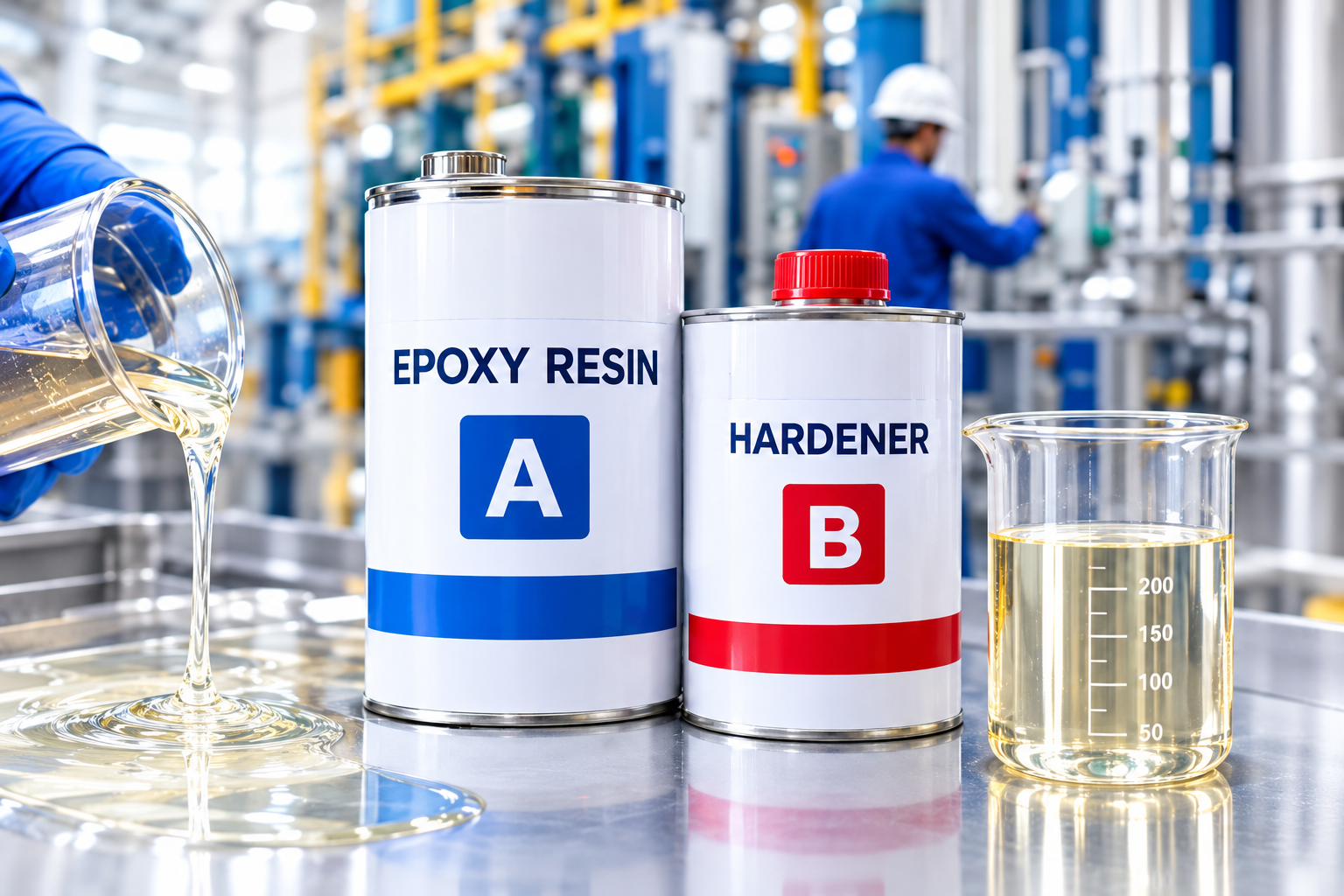
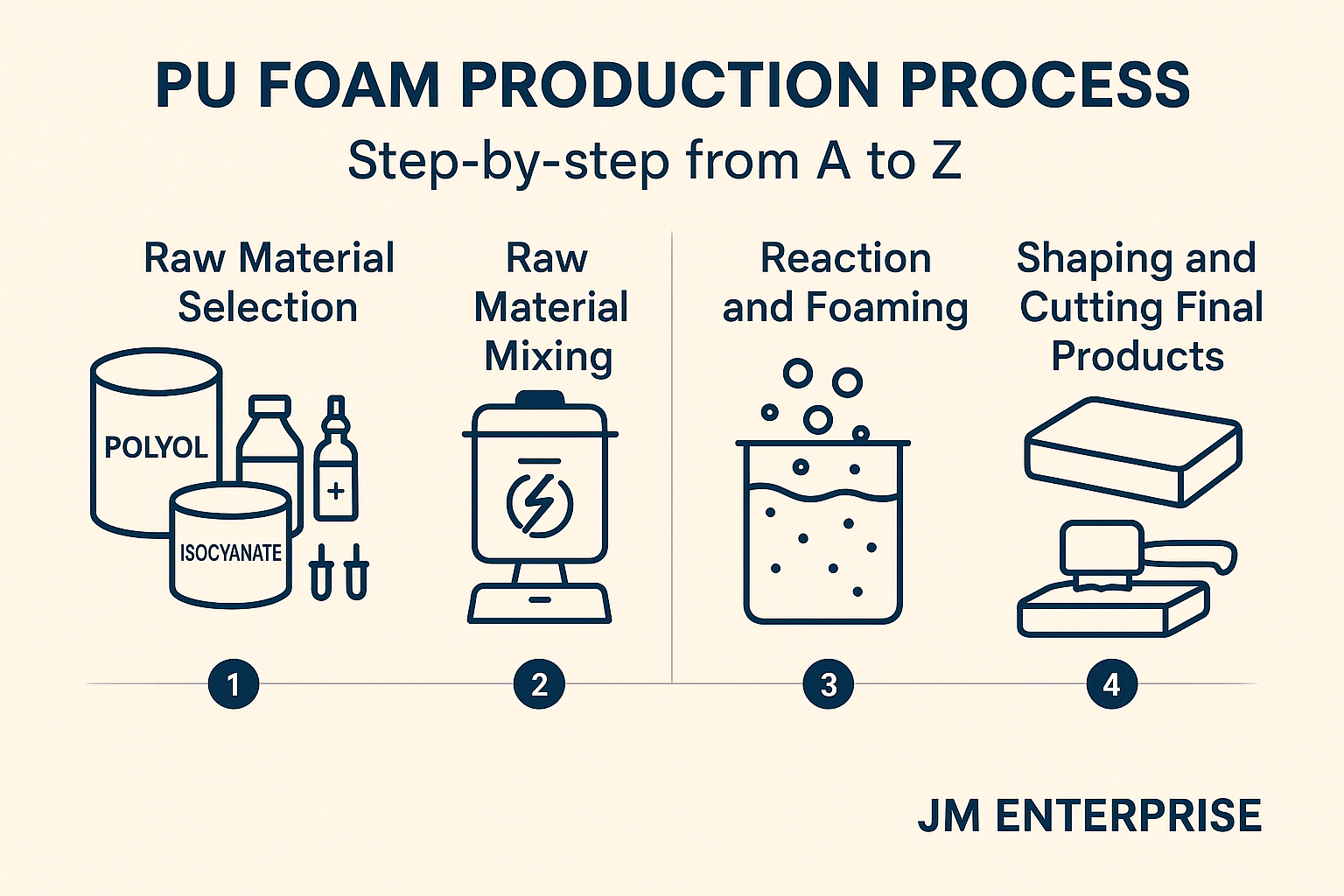
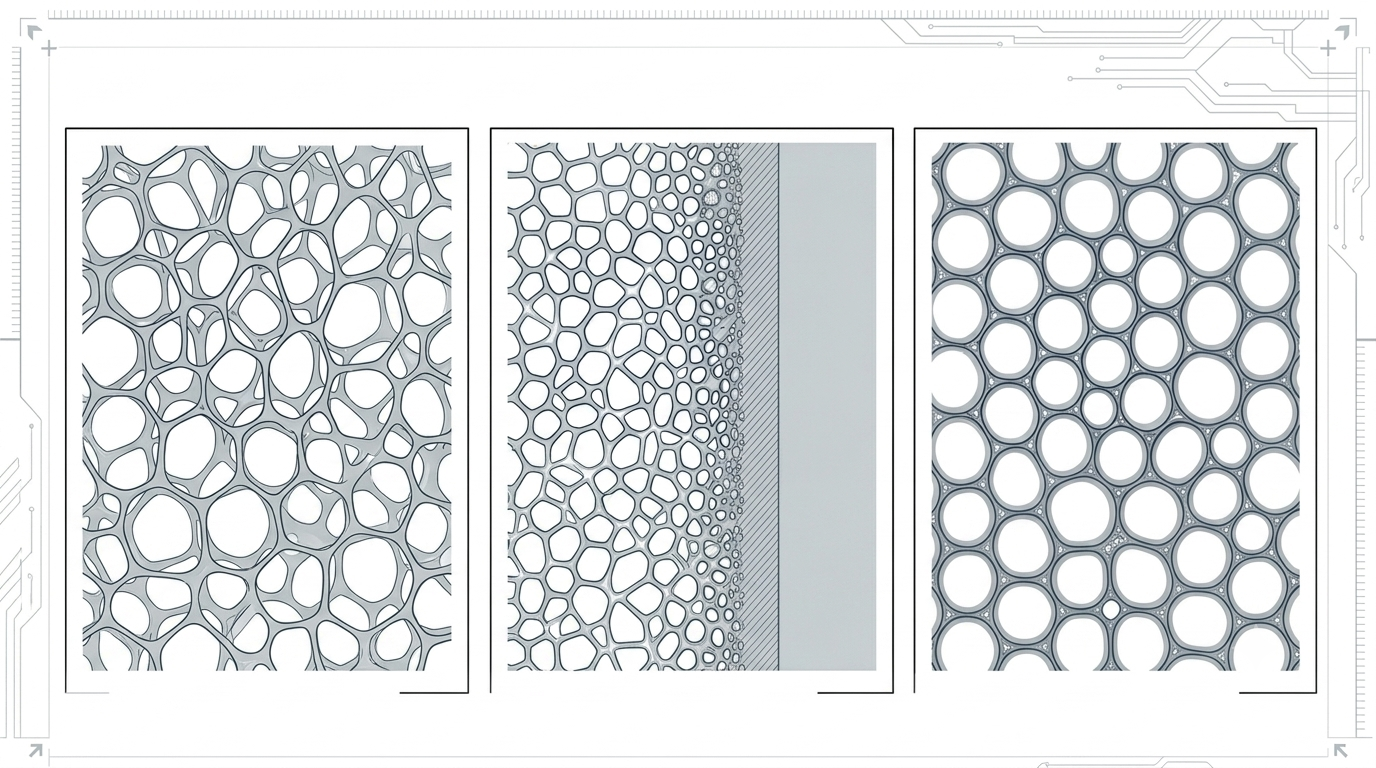
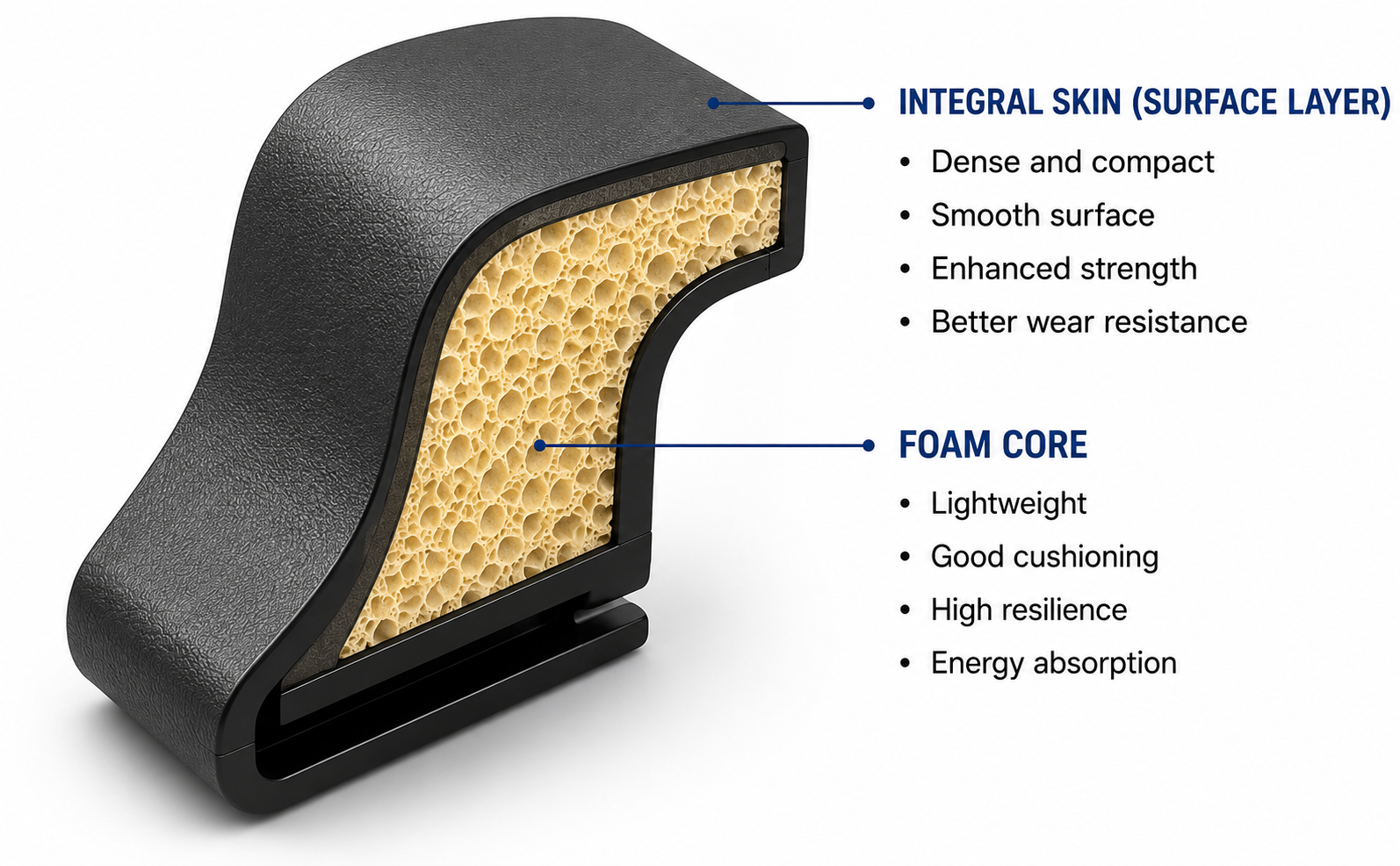
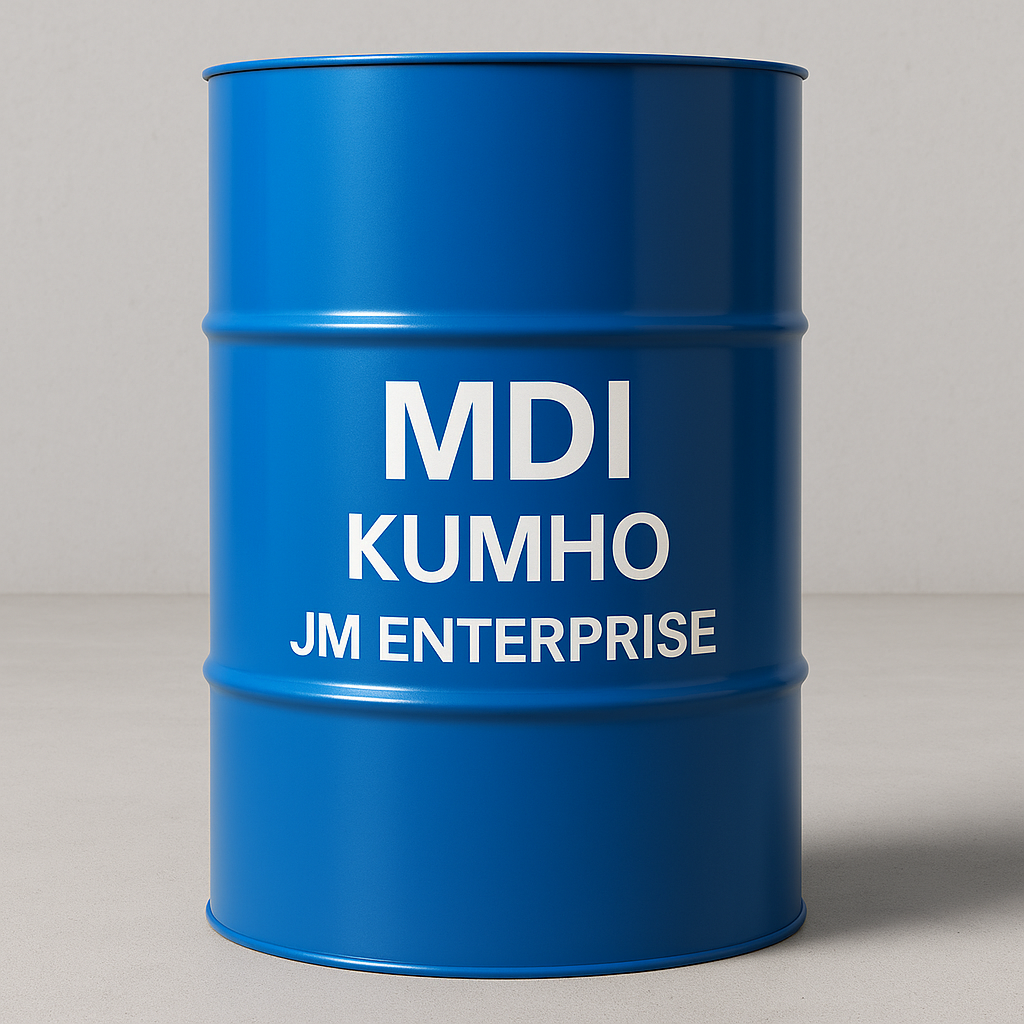
Polyurethane (PU) is a high-performance thermosetting polymer created through the reaction between a Polyol blend and an Isocyanate (PMDI). As the reaction occurs, the mixture expands into a rigid, micro-cellular foam matrix with over 90% closed-cell content.
┌── Ultra-low thermal conductivity (λ ≈ 0.018 - 0.022 W/m.K)
│
Advantages of Rigid PU Foam ┼── Closed-cell structure (>90%) blocks moisture and thermal transfer
│
├── Exceptional chemical adhesion to color-coated steel sheets
│
└── High mechanical strength, sound dampening, and flame retardancy
Compared to traditional materials such as PE-OPP foam, bubble foil insulation, or mineral wool (Rockwool/Glasswool), Polyurethane materials offer distinct technical advantages:
- Lowest Thermal Conductivity: Features a conductivity coefficient of λ≈0.018-0.022 W/m⋅K
 , making it 2 to 3
 times more thermally efficient than conventional insulation.
- Seamless Coverage: Eliminates gaps and thermal bridging, completely stopping heat transfer from the metal roof into the workspace.
- Acoustic Dampening & Moisture Resistance: Reduces rain noise on metal sheets by up to 70%
 while preventing under-roof condensation.
2. Primary Methods for Applying Polyurethane Roof Insulation
Depending on project scope and operational status, industrial plants can choose between two main application methods: Installing prefabricated PU Panels/Roof Sheets or Spraying PU Foam directly onto existing metal roofs.
|
Comparison Criteria
|
PU Roof Panels (Metal Sheet + PU + PP/Alu Film)
|
Direct Spray PU Foam (In-situ Spraying)
|
|
Application Method
|
Installed during new construction or full roof replacement.
|
Sprayed directly onto the upper or lower side of existing metal roofs.
|
|
Insulation Thickness
|
Standard 16mm-20mm (or PU Panels 50mm-100mm (or PU Panels 50mm-100mm ). ).
|
Fully adjustable thickness from 20mm-50mm . .
|
|
Time & Cost
|
Ideal for new factory builds or major renovations.
|
Fast execution, no roof dismantling required, zero downtime.
|
|
Gap Sealing
|
Core layer sandwiched between metal sheets.
|
Seals all micro-gaps, fastener penetrations, and joints seamlessly.
|
3. Financial & Operational Benefits for Manufacturing Facilities
Implementing factory roof heat insulation solutions using PU panels and Polyurethane materials yields significant operational returns:
- Ambient Temperature Drop of 5∘C-15∘C
 : Creates a cooler work environment, boosting employee health and operational productivity.
- 30%-50%
 Energy Cost Reduction: Significantly reduces workloads for industrial air conditioning, ventilation systems, and misting systems.
- Roof Structure Protection: The rigid PU layer prevents thermal expansion stress on metal sheets, protecting roofs against chemical corrosion and rusting while extending service lifespans beyond 20 years.
- Enhanced Fire Resistance: Utilizing high-index PIR/PU systems ensures self-extinguishing properties that comply with strict industrial fire safety codes.
4. Step-by-Step Spray PU Foam Application Process
For operating facilities that cannot afford roof dismantling, direct spray PU foam application is the most efficient choice:
- Surface Preparation & Cleaning: Power-wash dirt and grease, repair surface rust, and seal leaking fasteners on the metal roof.
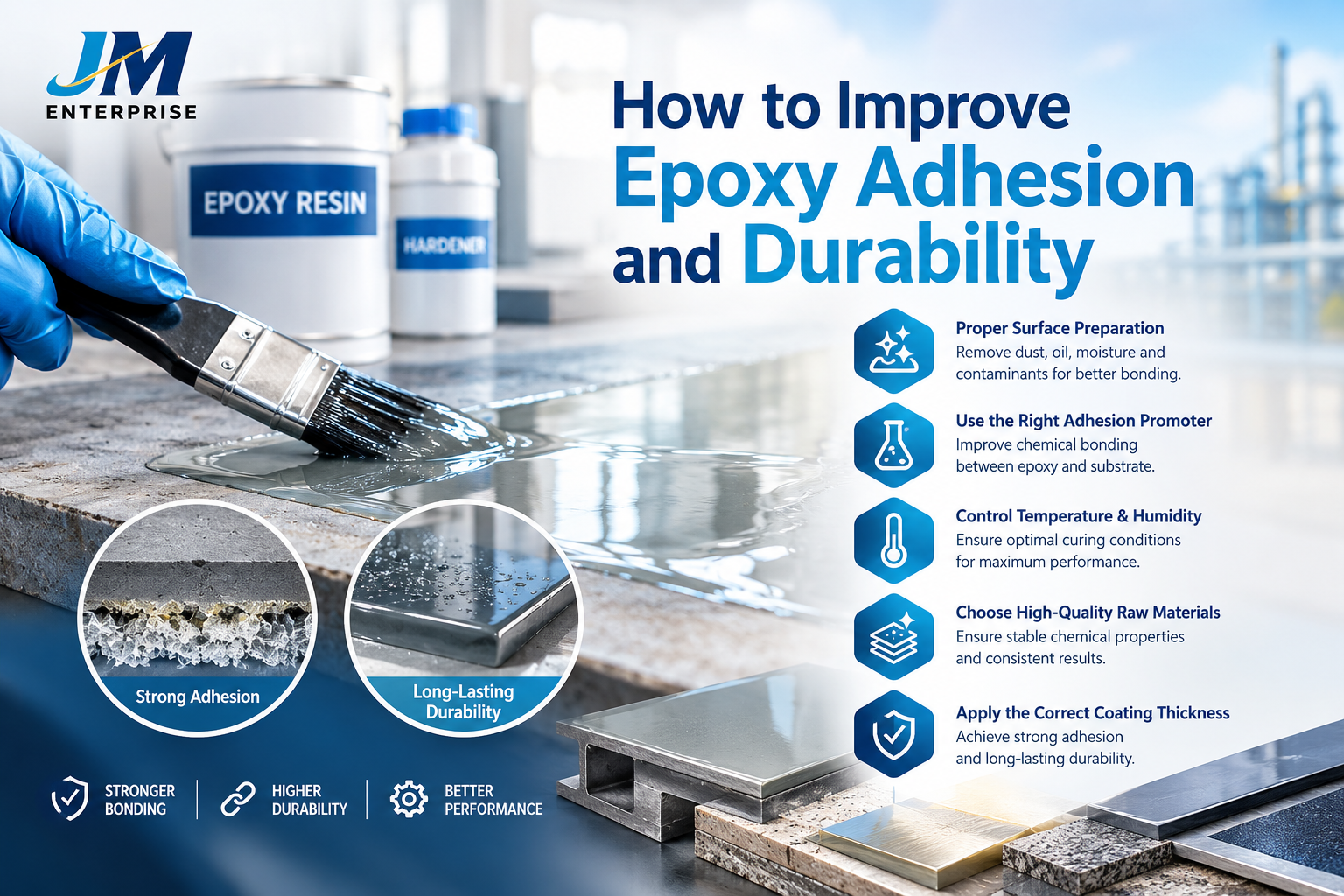
- Adhesion Primer Application: Spray a specialized primer to strengthen the chemical bond between the steel substrate and PU foam.
- High-Pressure PU Foam Spraying: Use high-pressure metering equipment to mix Isocyanate (PMDI) and Polyol, applying a uniform 20mm-30mm
 thick foam layer.
- UV Protective Topcoat Application: Apply a UV-resistant protective topcoat (Polyurethane or Acrylic) to shield the PU foam from solar radiation and weather degradation.
5. Conclusion
Investing in factory roof heat insulation solutions using PU panels and Polyurethane materials goes beyond simple temperature reduction—it is a strategic decision that slashes utility bills, protects physical assets, and supports sustainable green manufacturing practices.
Contact JM ENTERPRISE For Technical Support & Chemical Supply
Is your plant planning a roof heat-insulation overhaul, or are you a PU panel manufacturer/spray foam applicator seeking a reliable supply of imported PMDI and Insulation Polyols?
Contact the application engineering team at JM ENTERPRISE today for formulation assistance, competitive chemical quotes, and to request direct on-site testing samples:
- Hotline / Zalo:
- +84 933 706 351 – Mr. Cha (English & Korean Support)
- +84 913 390 054 – Ms. Ngan (Vietnamese Support)
- Email: jhcha@jmentchemical.com
- Website: https://jmentchemical.com/