Polyurethane (PU) has become one of the most widely used polymer materials across industries, including furniture, automotive, footwear, thermal insulation, medical devices, and industrial manufacturing. However, one of the most common quality issues during PU production is the formation of air bubbles, which can significantly affect product appearance, mechanical performance, and manufacturing efficiency.
If left unresolved, air bubbles can lead to higher rejection rates, increased material consumption, reduced product durability, and unnecessary production costs.
In this article, JM ENTERPRISE explains the major causes of air bubbles in Polyurethane and provides practical solutions to help manufacturers improve product quality and production efficiency.
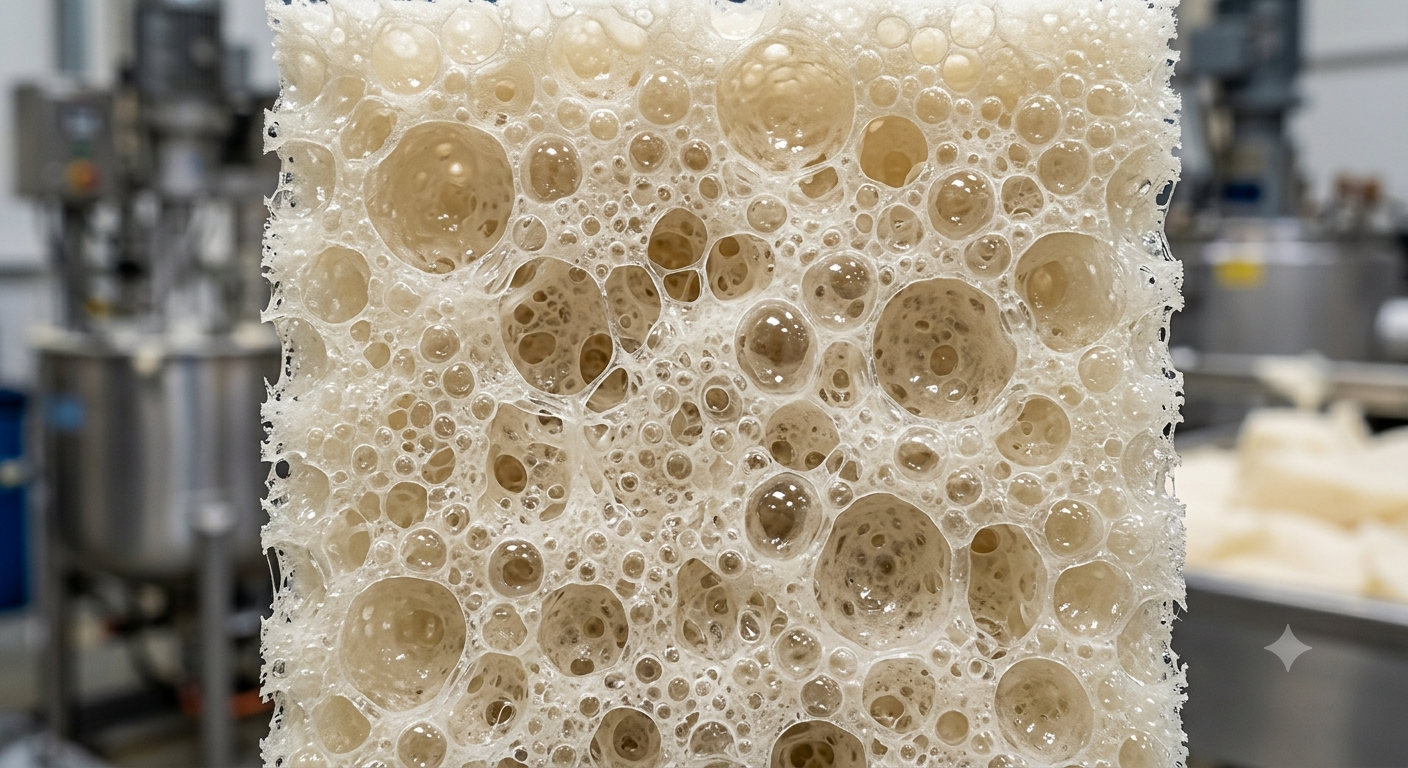
Air bubbles in Polyurethane refer to unwanted voids, gas pockets, or bubbles trapped inside or on the surface of a PU product after the chemical reaction between Polyol and MDI.
Common defects include:
- Small surface pinholes
- Internal voids
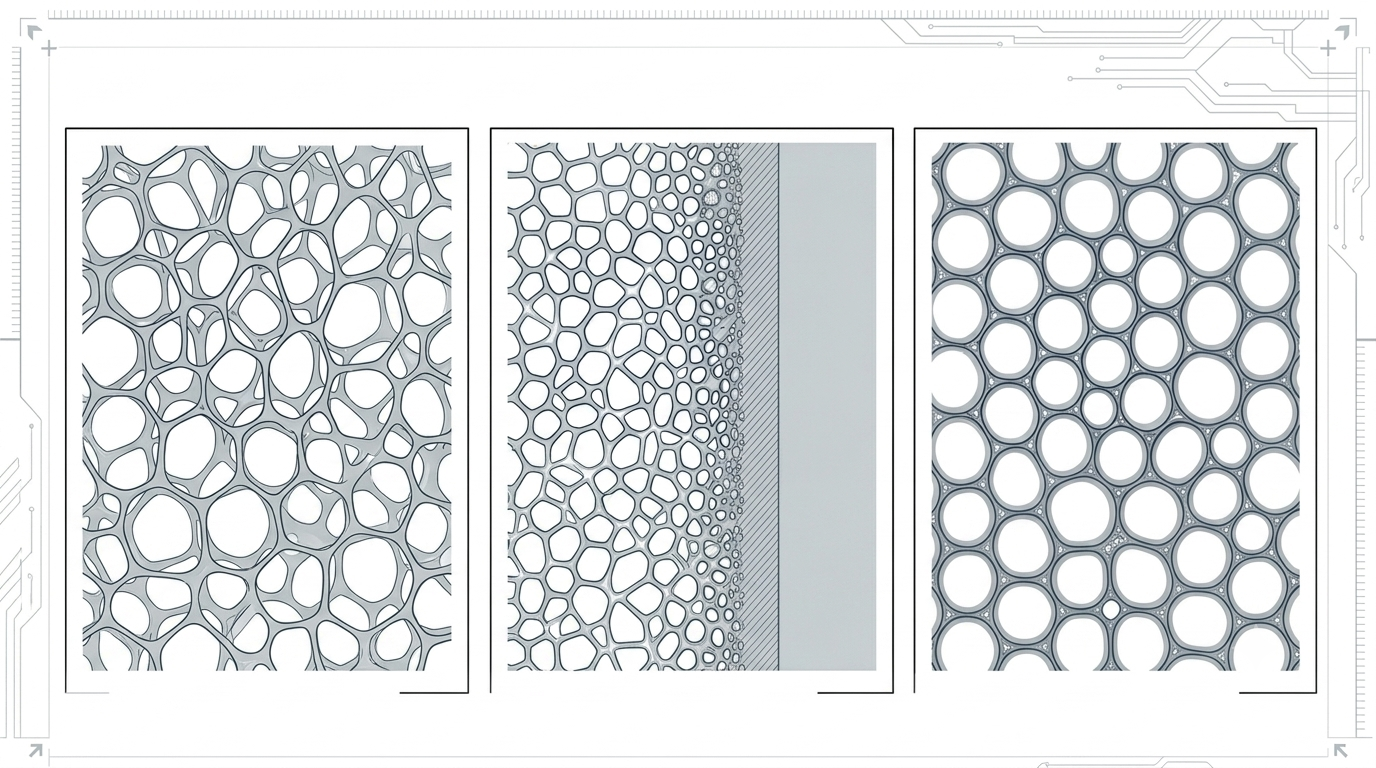
- Honeycomb structures
- Surface blistering
- Large trapped air pockets
- Uneven foam cell structure
These defects can occur in various PU applications, including:
- Flexible PU Foam
- Rigid PU Foam
- Integral Skin Foam
- PU Footwear Soles
- PU Elastomers
- Cast Polyurethane Parts
- Thermal Insulation Panels
Typical symptoms include:
- Pinholes on the surface
- Visible surface bubbles
- Rough or porous finishes
- Uneven internal foam structure
- Reduced density consistency
- Lower mechanical strength
- Surface cracks
- Uneven color distribution
Early detection helps manufacturers minimize production losses and maintain consistent product quality.
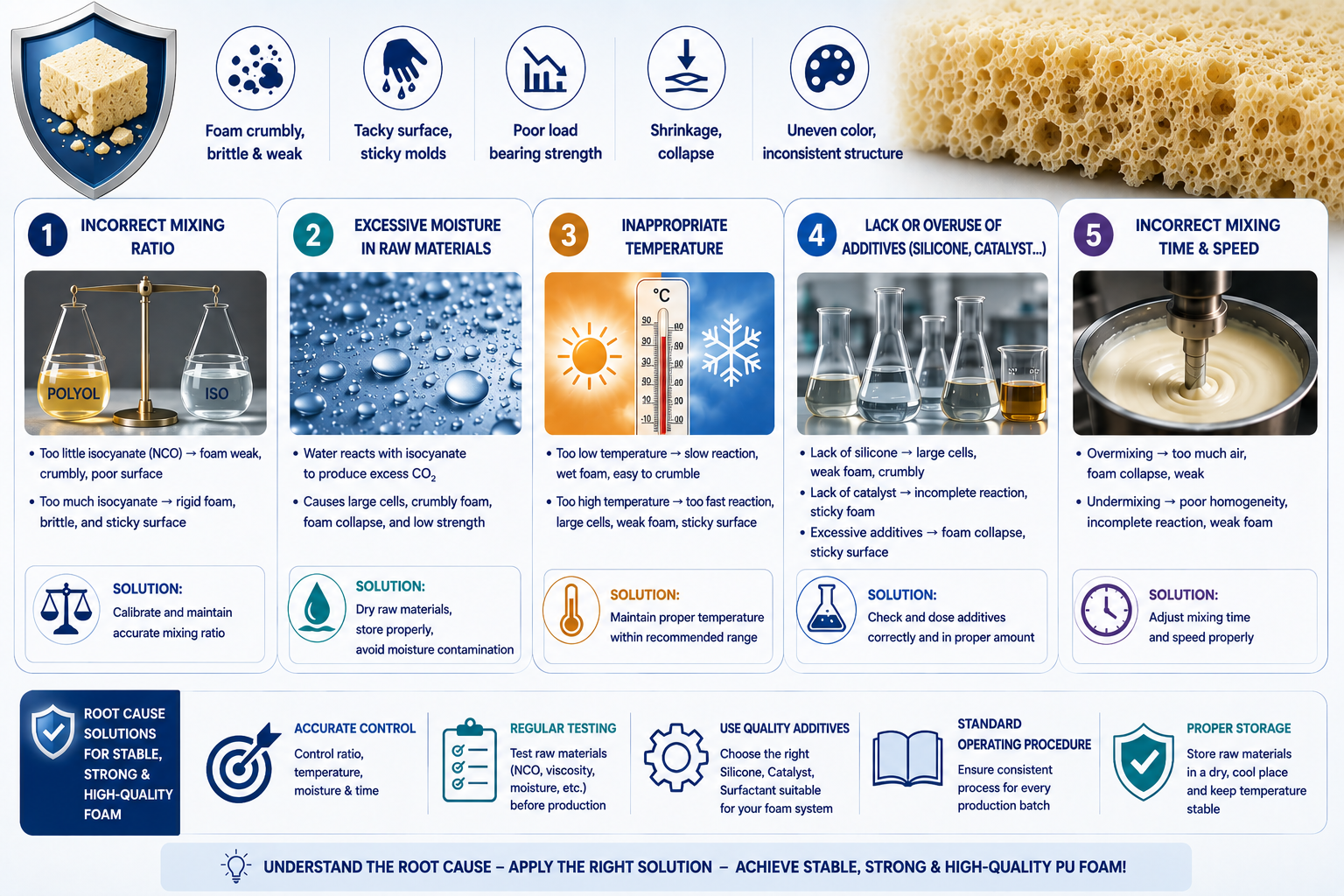
Moisture is the most common cause of air bubble formation.
Water reacts with MDI (Isocyanate) to generate carbon dioxide (CO₂). Excessive CO₂ creates uncontrolled gas bubbles that become trapped inside the PU structure.
Moisture sources include:
- Moisture absorbed by Polyol
- Unsafely stored fillers
- High ambient humidity
- Wet molds or equipment
A precise mixing ratio between Polyol and MDI is essential for achieving optimal PU performance.
Improper formulation may result in:
- Excessive foaming
- Uncontrolled gas generation
- Incomplete curing
- Internal voids and trapped bubbles
Insufficient mixing or improper mixing speed can introduce air into the PU system.
Consequences include:
- Entrapped air
- Non-uniform chemical reaction
- Irregular foam cell development
- Surface and internal bubble defects
Silicone surfactants stabilize foam cells, while catalysts control the reaction speed.
Using unsuitable additives may cause:
- Foam collapse
- Large bubble formation
- Irregular cell size
- Poor surface quality
Temperature has a significant impact on PU reactions.
Low temperatures increase material viscosity, making it difficult for trapped air to escape.
Excessively high temperatures accelerate the reaction, preventing gas from escaping before the material gels.
Inadequate mold venting is another major cause of trapped air.
Problems may include:
- Insufficient vent holes
- Improper gate locations
- Dead zones inside the mold
- Restricted material flow
These issues are particularly common in footwear soles and complex molded components.
Even small air bubbles can significantly reduce product performance.
Major consequences include:
- Lower tensile strength
- Reduced tear resistance
- Poor compression strength
- Reduced durability
- Inferior surface appearance
- Higher rejection rates
- Increased raw material consumption
- Higher manufacturing costs
- Failure to meet customer quality standards
Manufacturers should optimize raw materials, equipment, formulations, and processing conditions simultaneously.
- Store Polyol in sealed containers.
- Dry fillers before use.
- Control factory humidity.
- Ensure molds are completely dry.
Maintain accurate ratios of:
- MDI
- Polyol
- Water
- Silicone surfactant
- Catalyst
A balanced formulation ensures proper synchronization between gas generation and polymer gelation.
- Optimize mixing speed.
- Regularly inspect mixing heads.
- Maintain proper injection pressure.
- Perform preventive equipment maintenance.
Choosing the appropriate silicone surfactant and catalyst helps:
- Stabilize foam cells
- Improve surface quality
- Reduce bubble formation
- Produce more uniform foam structures
Stable raw material and mold temperatures allow the PU reaction to proceed smoothly while minimizing trapped air.
Recommended improvements include:
- Adding proper venting channels
- Optimizing gate positions
- Improving material flow
- Eliminating air traps
JM ENTERPRISE provides comprehensive raw material solutions and technical support for Polyurethane manufacturers.
Our services include:
- Selection of the most suitable Polyol and MDI systems
- Formula optimization to reduce air bubble defects
- Premium silicone surfactants and catalysts
- Root cause analysis of production defects
- Technical support for process improvement
- Cost reduction and production optimization
Our experienced engineering team supports a wide range of industries, including:
- Flexible PU Foam
- Rigid PU Foam
- Integral Skin Foam
- Footwear Manufacturing
- Automotive Components
- Thermal Insulation
- Cast Polyurethane
- Industrial PU Applications
Air bubbles are among the most common defects in Polyurethane manufacturing, but they can be effectively minimized through proper moisture control, accurate formulations, optimized processing conditions, and high-quality raw materials.
Working with an experienced technical partner can significantly improve product quality, reduce production waste, and increase manufacturing efficiency.
If your production line is experiencing air bubble defects, surface pinholes, or unstable foam structures, JM ENTERPRISE is ready to provide customized solutions tailored to your manufacturing process.
Looking for a reliable raw material supplier and professional technical support for your Polyurethane production?
JM ENTERPRISE provides premium Polyurethane raw materials and customized technical solutions to help manufacturers improve product quality, reduce defects, and maximize production efficiency.
+84 933 706 351 – Mr. Cha (English & Korean)
+84 913 390 054 – Ms. Ngan (Vietnamese)
Email: jhcha@jmentchemical.com
Website: https://jmentchemical.com/
Excess moisture in raw materials or the production environment is the leading cause, as water reacts with MDI to generate carbon dioxide (CO₂).
While complete elimination may not always be possible, proper moisture control, optimized formulations, suitable additives, and well-maintained processing equipment can significantly reduce air bubble defects.
Silicone surfactants stabilize foam cells, improve cell uniformity, and minimize foam collapse and air bubble formation.
Yes. JM ENTERPRISE offers comprehensive technical consulting, formulation optimization, raw material selection, and troubleshooting services to help customers improve manufacturing performance and product quality.