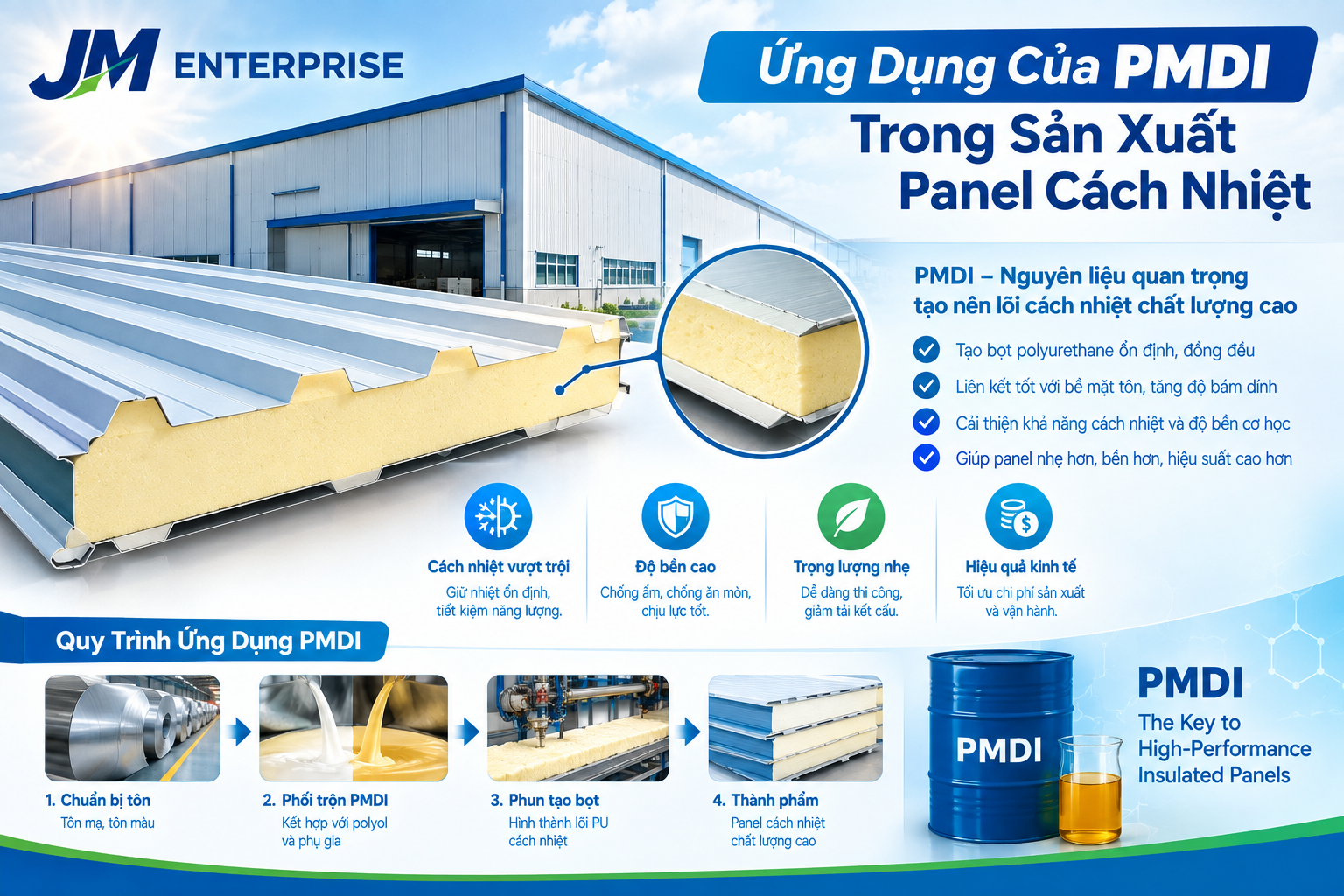
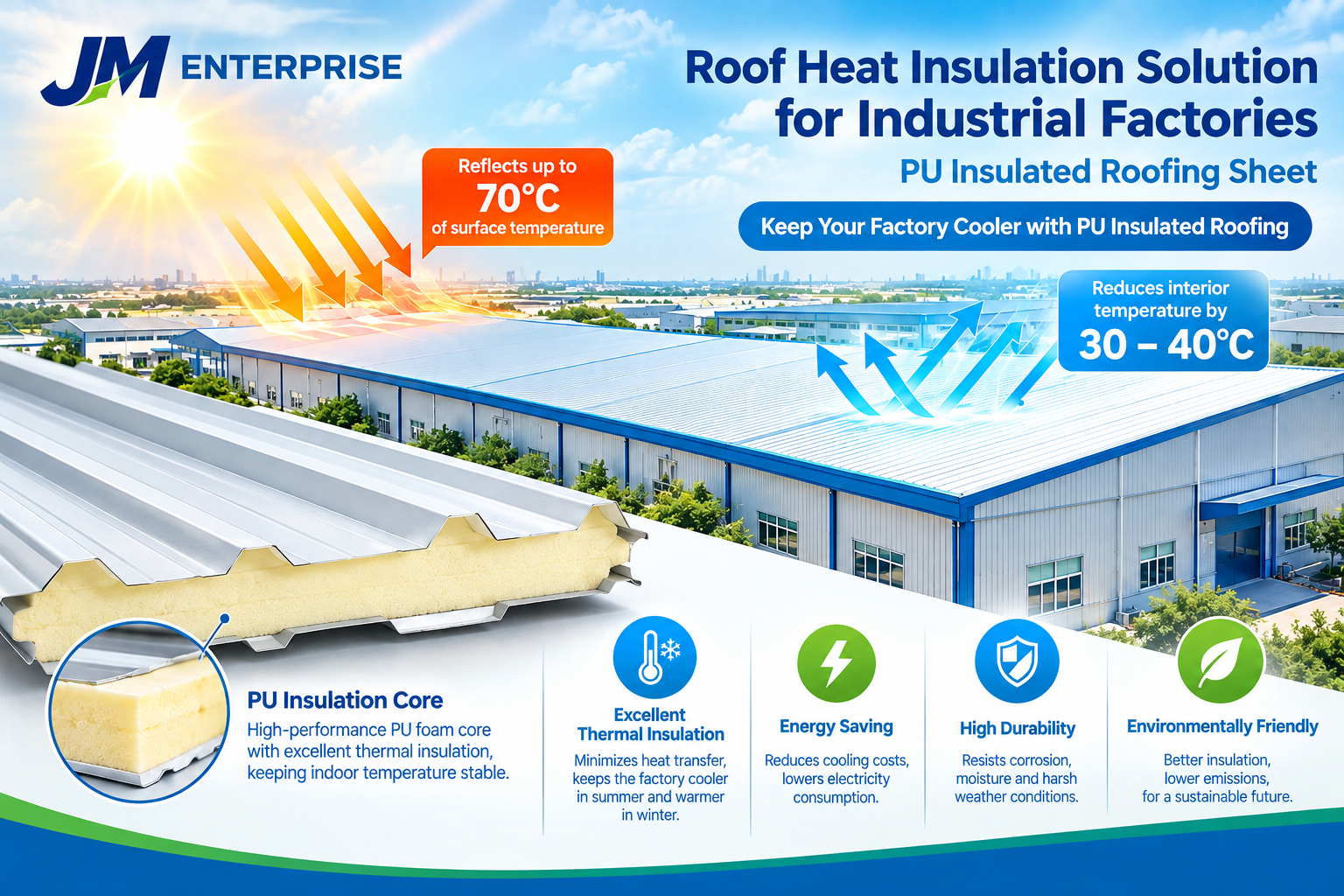
In the modern insulation and building materials industry, PIR/PUR thermal insulation panels serve a critical role due to their superior thermal performance, fire resistance, and lightweight structure. To manufacture high-quality Rigid Polyurethane (PUR) and Polyisocyanurate (PIR) foam cores, PMDI (Polymeric MDI) is an indispensable chemical component.
This article provides an in-depth technical analysis of PMDI's role, its practical applications in panel continuous and discontinuous production lines, and why this grade of MDI remains the top choice for insulation manufacturers worldwide.
1. What is PMDI? (Polymeric Methylene Diphenyl Diisocyanate)
PMDI (Polymeric MDI) is a mixture containing monomeric MDI alongside higher molecular weight oligomers. At room temperature, PMDI exists as a brown liquid with moderate viscosity and a high Isocyanate (NCO) group content (typically ranging from 30.5% to 32.5%
 ).
).
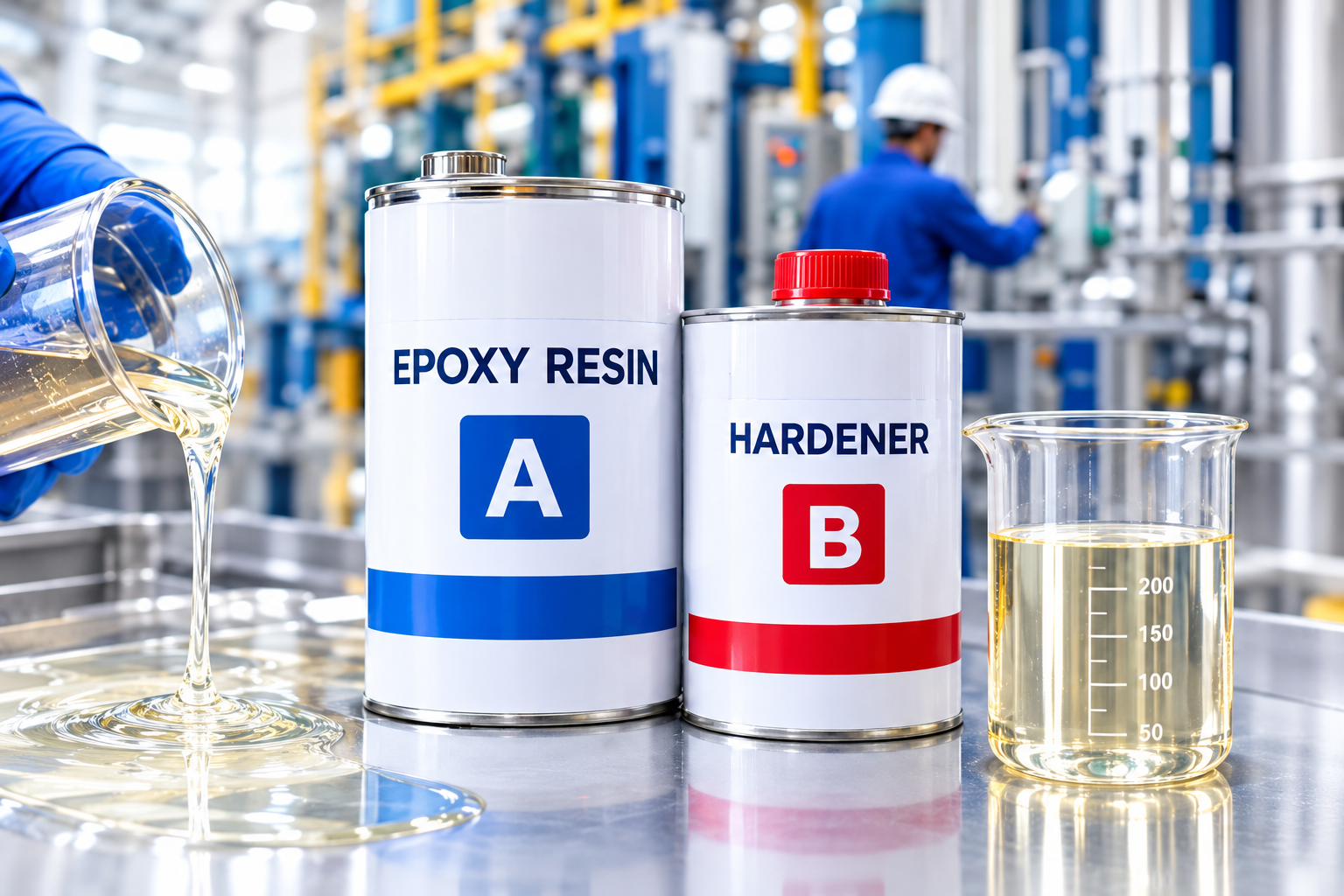
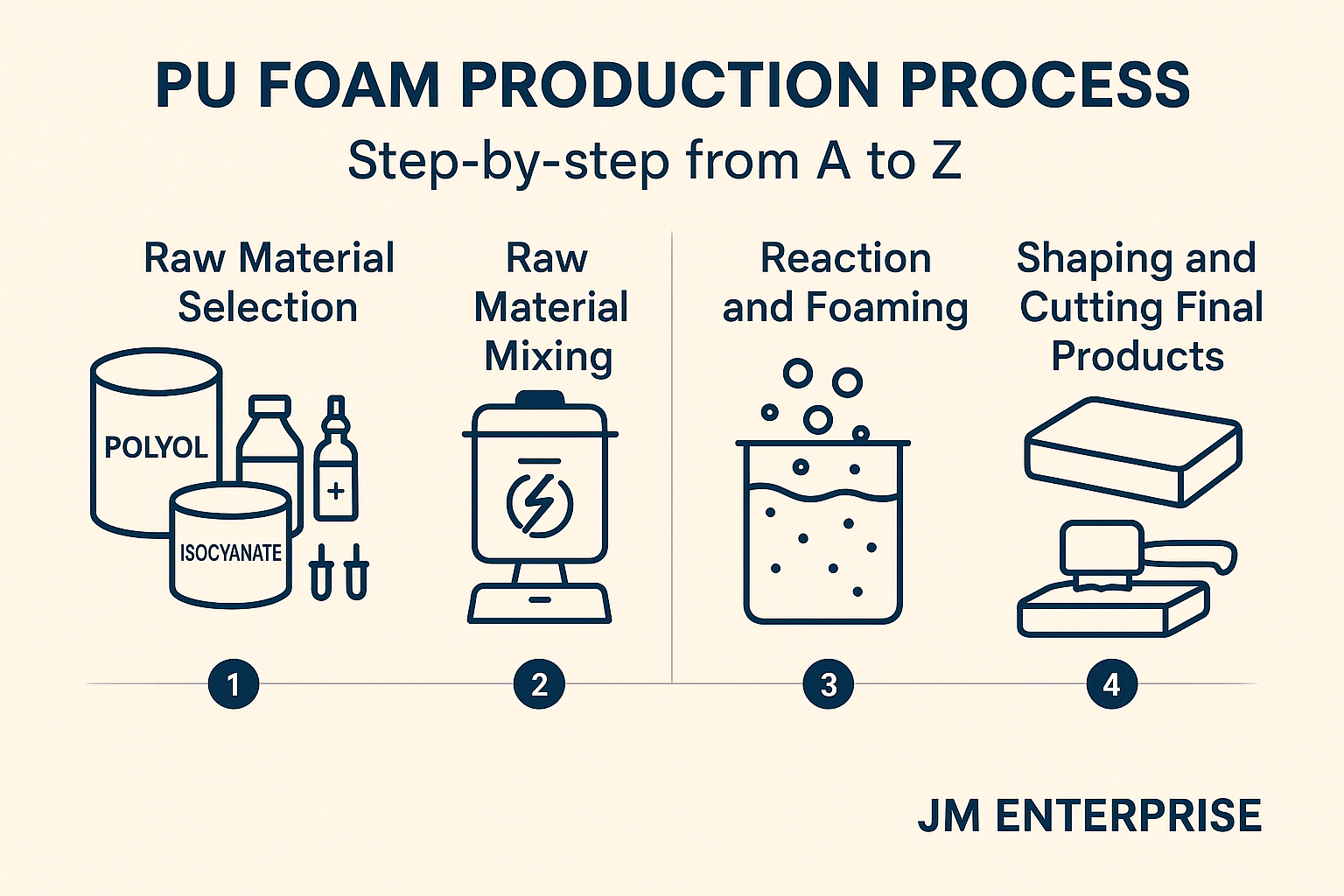
In the rigid foam reaction, PMDI serves as the Isocyanate component (Part A), reacting directly with a pre-blended Polyol system (Part B) alongside blowing agents, catalysts, and surfactants to form a closed-cell rigid foam matrix.
[ Part A: PMDI ] + [ Part B: Polyol + Blowing Agent + Catalysts ]
│
▼
[ Polymer Cross-linking Reaction ]
│
▼
[ Rigid PIR / PUR Foam Core for Insulation Panels ]
2. Technical Functions of PMDI in Insulation Panel Cores
The addition and quality of PMDI directly determine the mechanical and physical properties of the finished panel:
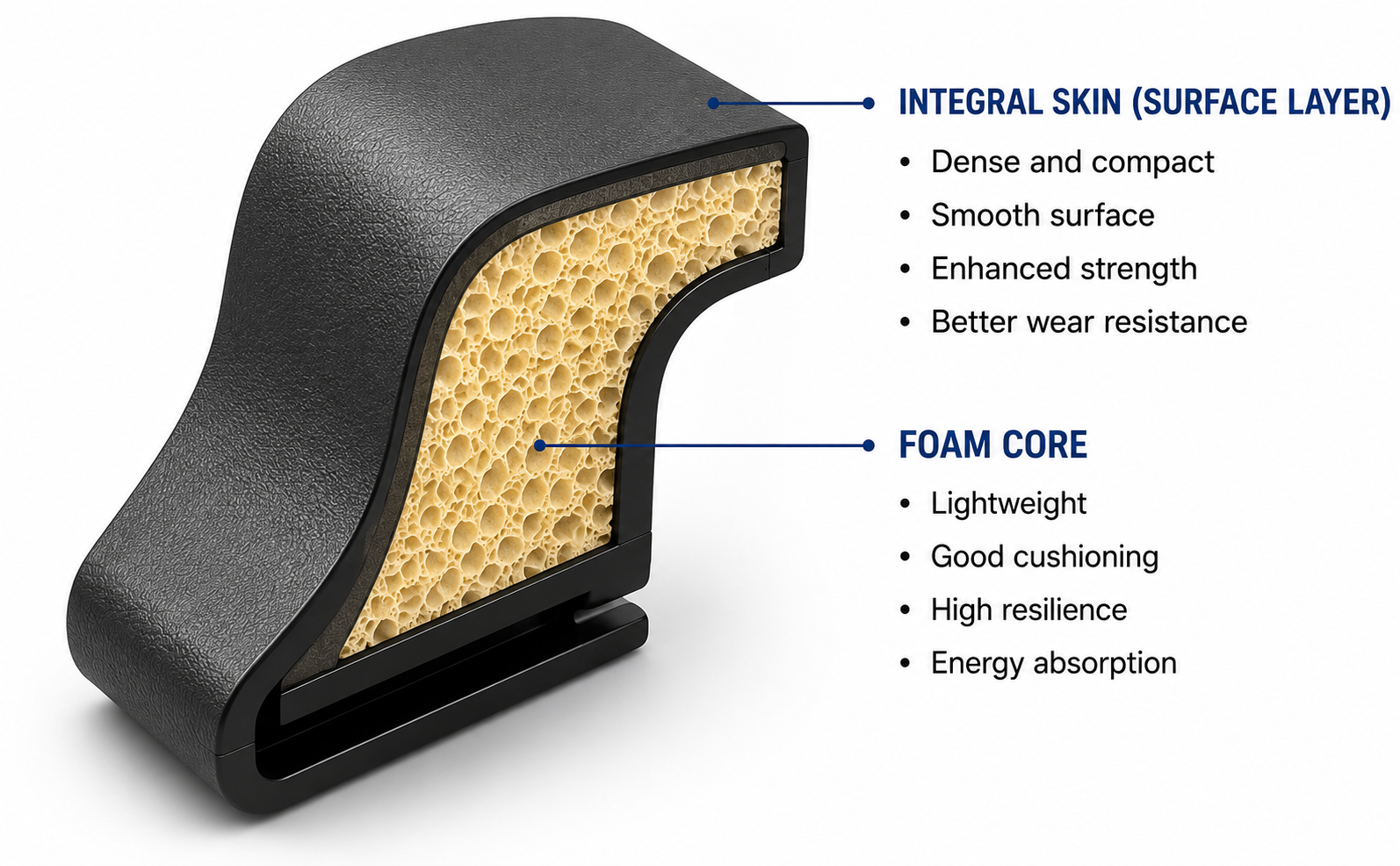
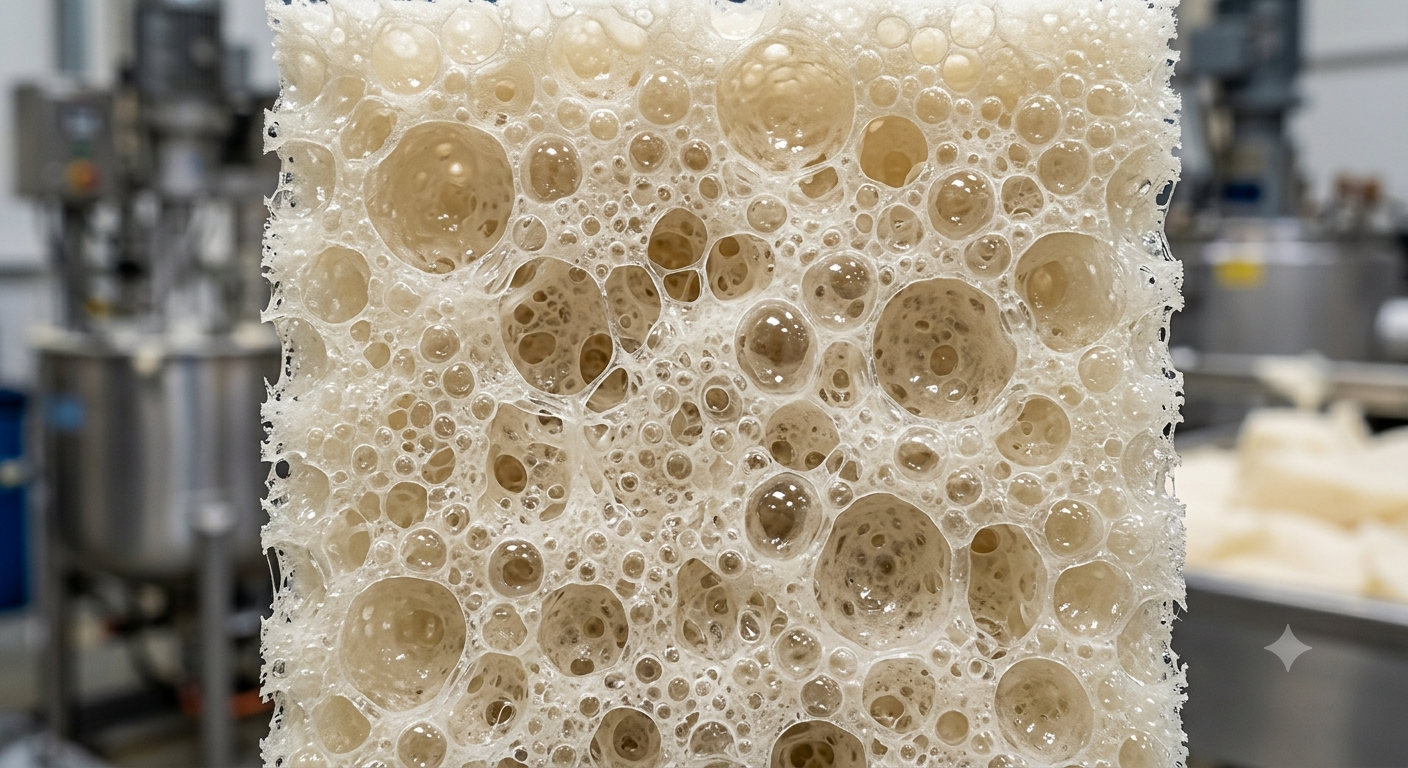
- Closed-Cell Structure (Closed-Cell Content >90%
 ): High cross-link density generated by PMDI seals micro-cells, preventing heat transfer and moisture absorption.
- Mechanical Strength & Compressive Durability: Ensures the panel core resists deformation, crushing, or warping under mechanical loads and severe weather.
- Enhanced Fire Performance (Especially in PIR Panels): When reacted at high Isocyanate index levels (PIR Index>200
 ), PMDI forms stable Isocyanurate trimer rings, delivering high flame retardancy and thermal stability.
- Direct Adhesion to Metal Facings: PMDI forms strong chemical bonds with color-coated steel or aluminum facings without requiring additional adhesives.
3. Industrial Applications of PMDI in Panel Manufacturing
PMDI is used across both major panel manufacturing processes:
|
Panel Manufacturing Technology
|
PMDI Application Method & Role
|
End Products
|
|
Continuous Production Line
|
PMDI and Polyol are metered and sprayed under high pressure onto moving bottom steel sheets. The foam expands continuously inside a heated double-belt conveyor.
|
Roof PUR/PIR panels, exterior wall panels, standard cold storage panels.
|
|
Discontinuous / Injection Line
|
PMDI mixture is injected into a closed mold cavity containing pre-positioned steel facings or composite frames.
|
Extra-thick cold room panels (150mm-200mm ), cold store doors, insulated equipment housings. ), cold store doors, insulated equipment housings.
|
Key Sectors Utilizing PMDI-Based Insulation Panels:
- Cold Storage & Freezing Facilities: Maintains deep sub-zero temperatures (0∘C
 to -40∘C
 ) while drastically reducing energy losses.
- Industrial Plants & Cleanrooms: PIR/PUR panels provide acoustic/thermal insulation while meeting strict GMP/FDA hygiene standards for pharmaceutical and electronics industries.
- Modular Housing & Reofer Containers: Optimizes structural weight and allows rapid assembly on-site.
4. Key Advantages of PMDI Compared to Alternative Materials
- Ultra-Low Thermal Conductivity (λ≈0.018-0.022 W/m⋅K
 ): Offers the lowest thermal conductivity among common insulation materials (outperforming EPS, XPS, and Rockwool).
- Low Shrinkage & Dimensional Stability: Ensures long-term flatness and prevents panel warping over extended operational lifespans.
- Operational Cost Savings: Superior insulation performance minimizes HVAC and refrigeration power consumption significantly.
5. Conclusion
The application of PMDI in thermal insulation panel production is the core foundation behind modern PIR/PUR building materials. Selecting the correct PMDI grade, NCO rating, and technical mix ratio ensures long-term structural durability, fire compliance, and cost efficiency for manufacturing facilities.
Contact JM ENTERPRISE For Technical Support & PMDI Supply
Is your plant operating a thermal panel production line and seeking a stable, high-quality supply of imported PMDI (Polymeric MDI)?
Contact the application engineering team at JM ENTERPRISE today for competitive pricing, formulation guidance, and to request direct on-site testing samples:
- Hotline / Zalo:
- +84 933 706 351 – Mr. Cha (English & Korean Support)
- +84 913 390 054 – Ms. Ngan (Vietnamese Support)
- Email: jhcha@jmentchemical.com
- Website: https://jmentchemical.com/