HCM HEAD OFFICE: Room S15, Saigon Pearl, 92C Nguyen Huu Canh, Thanh My Tay Ward, Ho Chi Minh City
HANOI BRANCH: N45-TT4 Do Dinh Thien Street, My Dinh – Song Da Urban Area, Tu Liem Ward, Hanoi
24/7
Call Now
+84 933 706 351
JMENTERPRISE CO., LTD.
Mail Now
jhcha@jmentchemical.com
Causes of Polyurethane (PU) Degradation (Hydrolysis, UV Radiation) & How to Prevent It

Causes of Polyurethane (PU) Degradation (Hydrolysis, UV Radiation) & How to Prevent It

1. What Is Polyurethane (PU) Degradation?

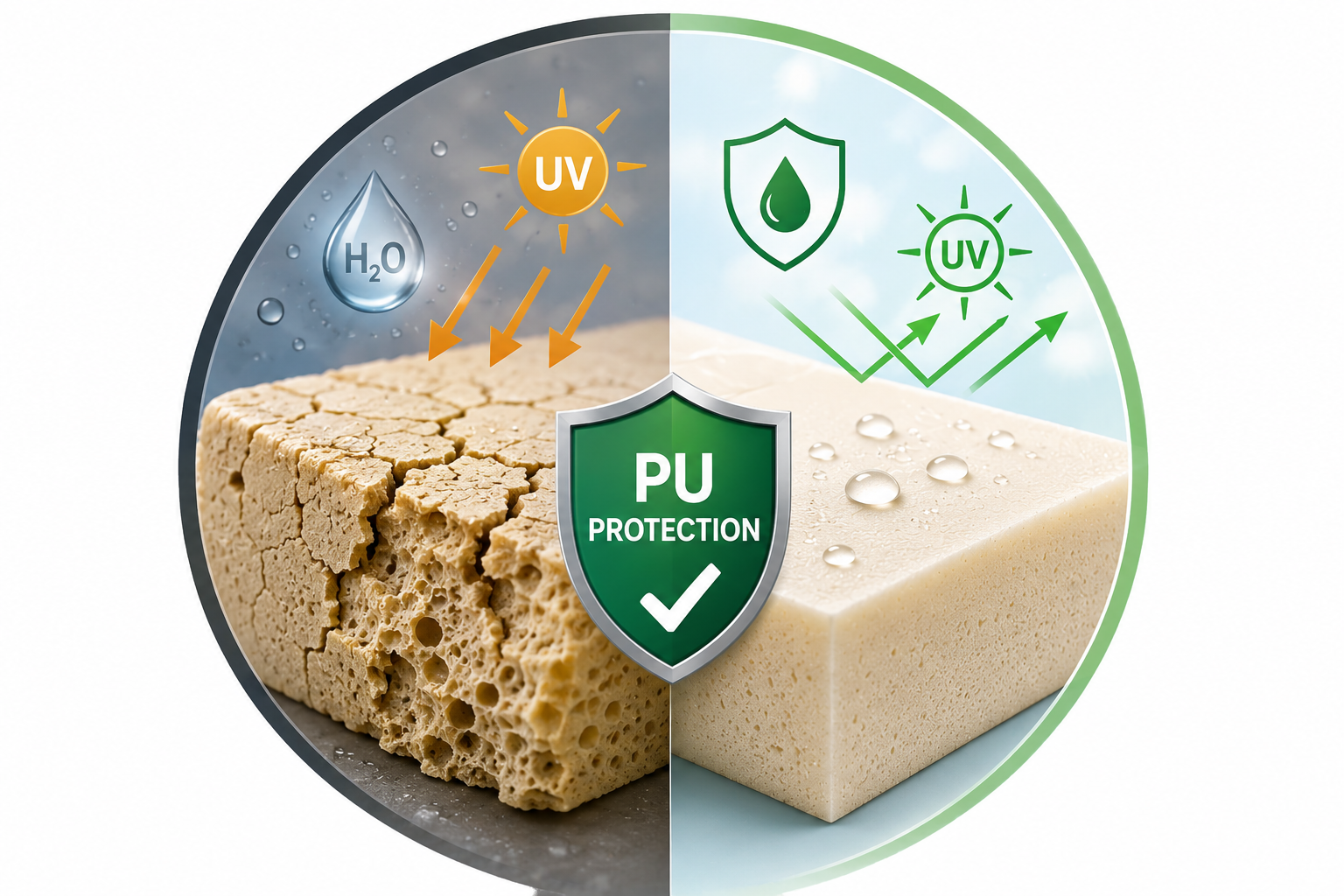
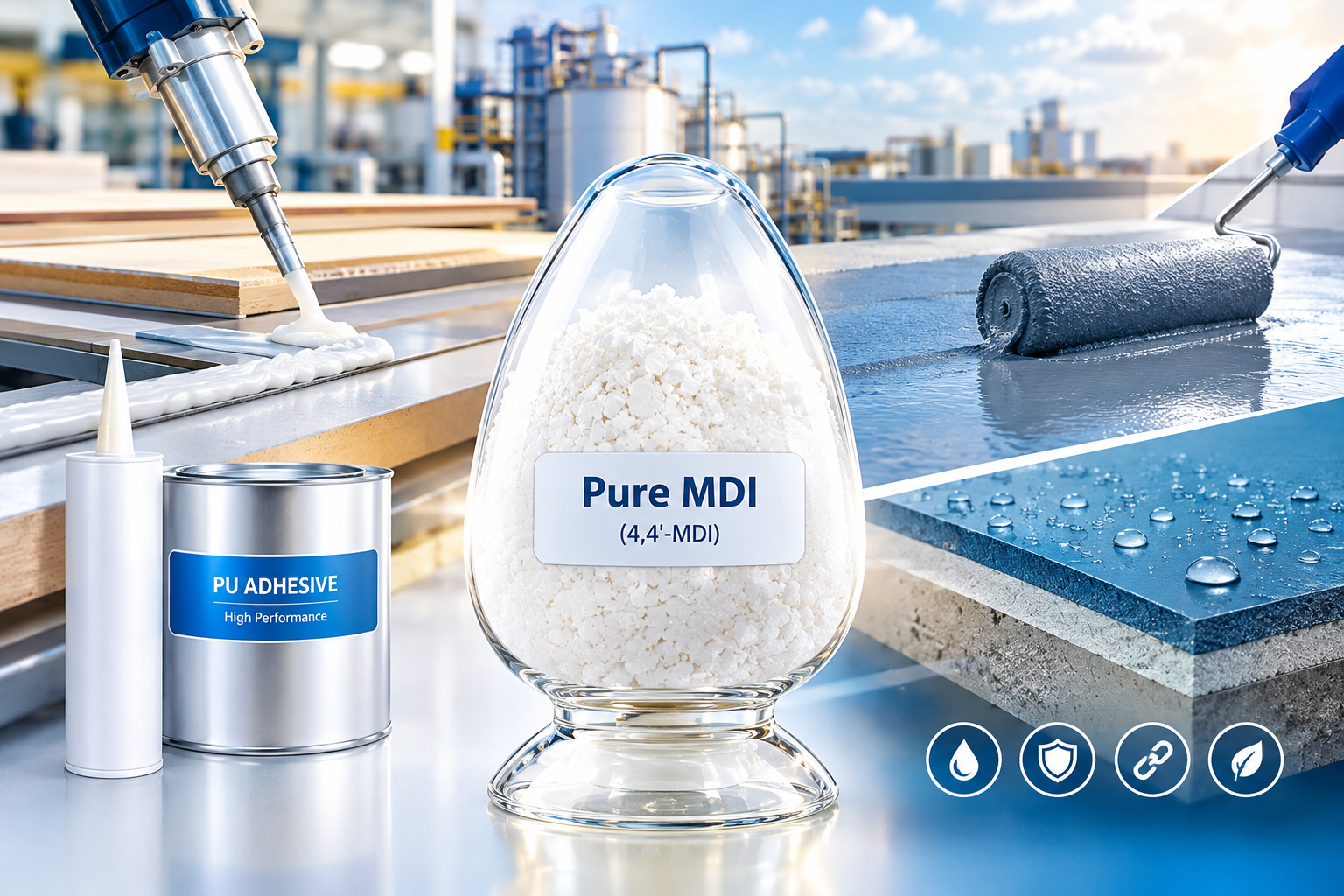
Polyurethane (PU) is a versatile polymer widely used across industries such as automotive seat pad manufacturing, adhesives, thermal insulation foams, footwear outsoles, and protective coatings due to its exceptional mechanical properties. However, under prolonged exposure to environmental stressors, PU undergoes degradation—leading to loss of mechanical strength, surface peeling, cracking, discoloration, or crumbling.

The two most common and severe degradation mechanisms affecting Polyurethane materials are Hydrolysis and UV Degradation (Photo-oxidation).

2. Leading Causes of Polyurethane Degradation

2.1. Hydrolytic Degradation (Hydrolysis)

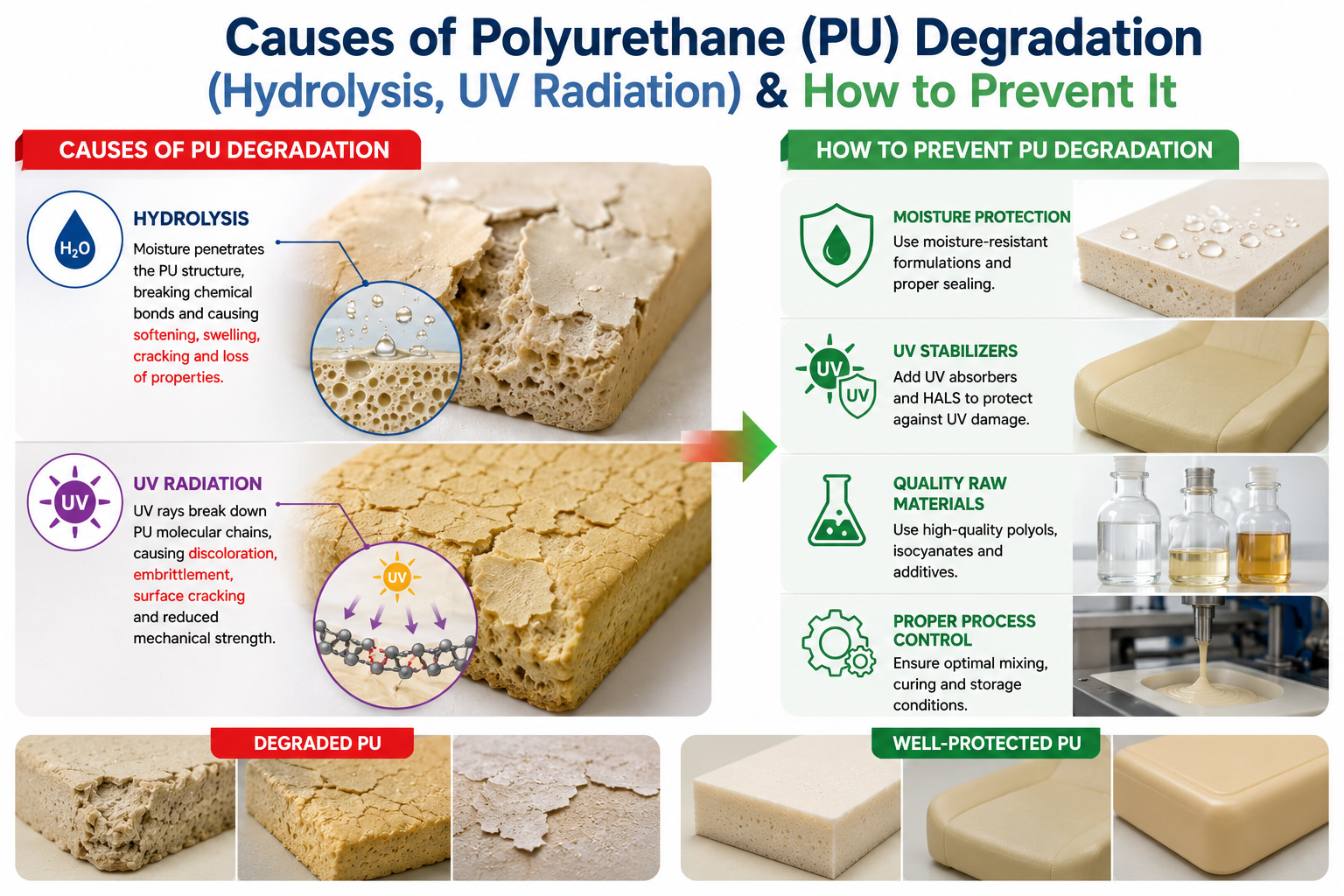
Hydrolysis is a chemical reaction in which water molecules (H2O) cleave the chemical bonds within the Polyurethane polymer backbone.

  • Mechanism: Water directly attacks Ester linkages (in Polyester-based PU) or Urethane/Urea linkages. These macromolecular chains break down into smaller fragments, causing a complete loss of structural integrity.
  • Catalytic Conditions: High temperatures combined with high atmospheric humidity (typical in tropical climates) exponentially accelerate the hydrolysis rate.
  • Key Symptoms: Sticky PU surface, crumbling, loss of elasticity, cracking, or flaking into small pieces.

2.2. UV Degradation (Photo-Oxidation)

When exposed to sunlight, ultraviolet (UV) radiation triggers photo-oxidative degradation in PU materials.

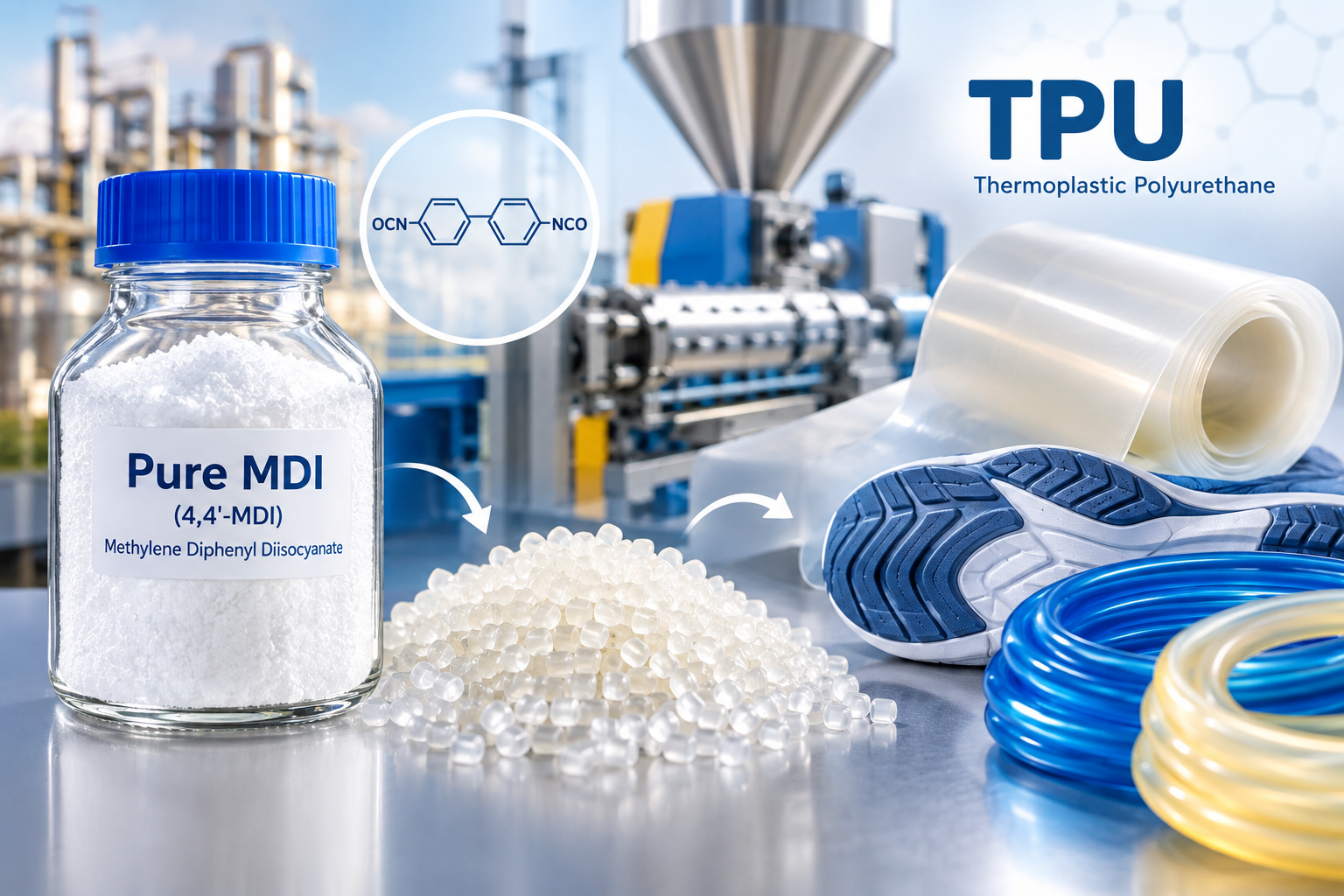
  • Mechanism: UV energy breaks double bonds and aromatic rings (particularly in aromatic isocyanates like MDI or TDI). This generates free radicals that attack adjacent polymer chains in a continuous chain reaction.
  • Key Symptoms: Yellowing of the product, discoloration, embrittlement, surface micro-cracking, and a significant drop in tensile and compressive strength.

3. Technical Solutions to Prevent PU Degradation

To extend product lifespan, prevent crumbling, and maintain color stability in PU products, manufacturers should implement the following technical solutions:

3.1. Selecting Optimal Raw Materials

  • Use Polyether Polyols Instead of Polyester Polyols: Polyether polyols feature C-O-C ether bonds that are exceptionally resistant to water cleavage, providing superior hydrolytic resistance compared to ester linkages.
  • Utilize Aliphatic Isocyanates: For outdoor products or applications requiring high aesthetic durability, replacing aromatic isocyanates (MDI/TDI) with aliphatic isocyanates (HDI, IPDI) prevents yellowing and offers maximum UV resistance.

3.2. Incorporating Anti-Aging Additives

  • Hydrolysis Stabilizers (Carbodiimides): These additives react with and trap carboxylic acids generated during hydrolysis, stopping the chain-scission reaction in its tracks.
  • UV Absorbers (UVA): Convert harmful UV radiation into harmless thermal energy before it can degrade the polymer matrix.
  • Hindered Amine Light Stabilizers (HALS): Scavenge free radicals generated by light exposure, protecting the PU surface from embrittlement, cracking, and deformation.
Contact JM ENTERPRISE Today For Technical Support

If your production line is facing PU degradation, discoloration, crumbling due to hydrolysis/UV exposure, foam expansion failure, poor expansion, or product density deficits, contact us today for support from top industry experts and receive sample test batches of our advanced additives.

  • Hotline / Zalo:
    • +84 933 706 351 – Mr. Cha (English & Korean Support)
    • +84 913 390 054 – Ms. Ngan (Vietnamese Support)
  • Email: jhcha@jmentchemical.com
  • Website: https://jmentchemical.com/


Newest Blogs

Epoxy Resin vs Polyurethane Resin: Key Differences & Selection Guide

Compare Epoxy Resin vs Polyurethane Resin (PU) in detail. Explore key difference...

How to Choose the Right Epoxy Resin for Industrial Applications

Learn how to choose the right epoxy resin for industrial applications. Explore k...

Zero-Carbon Emission Reduction Solutions

Explore Zero-Carbon emission reduction solutions using PU foam insulation. Learn...

In-Depth Analysis of Epoxy vs Epoxy Resin: Chemical Nature, Technical Properties, and Industrial Applications

An in-depth technical analysis of Epoxy vs Epoxy Resin. Clarify terminology, che...

Low-VOC Trends: Comprehensive Guide to Odorless Catalysts & Additives for Export-Grade PU Foam

Discover Low-VOC additives & reactive catalysts for PU Foam: Eliminate amine odo...

Fixing PU Foam Post-Demold Shrinkage & Distortion: Technical Causes & Line Solutions

Troubleshoot PU Foam shrinkage and distortion post-demolding: Uncover closed-cel...

Most Viewed Blogs

Eco-Friendly PU Adhesive for Sustainable Packaging

Durable PU laminating adhesive – solvent resistant, internationally certified....

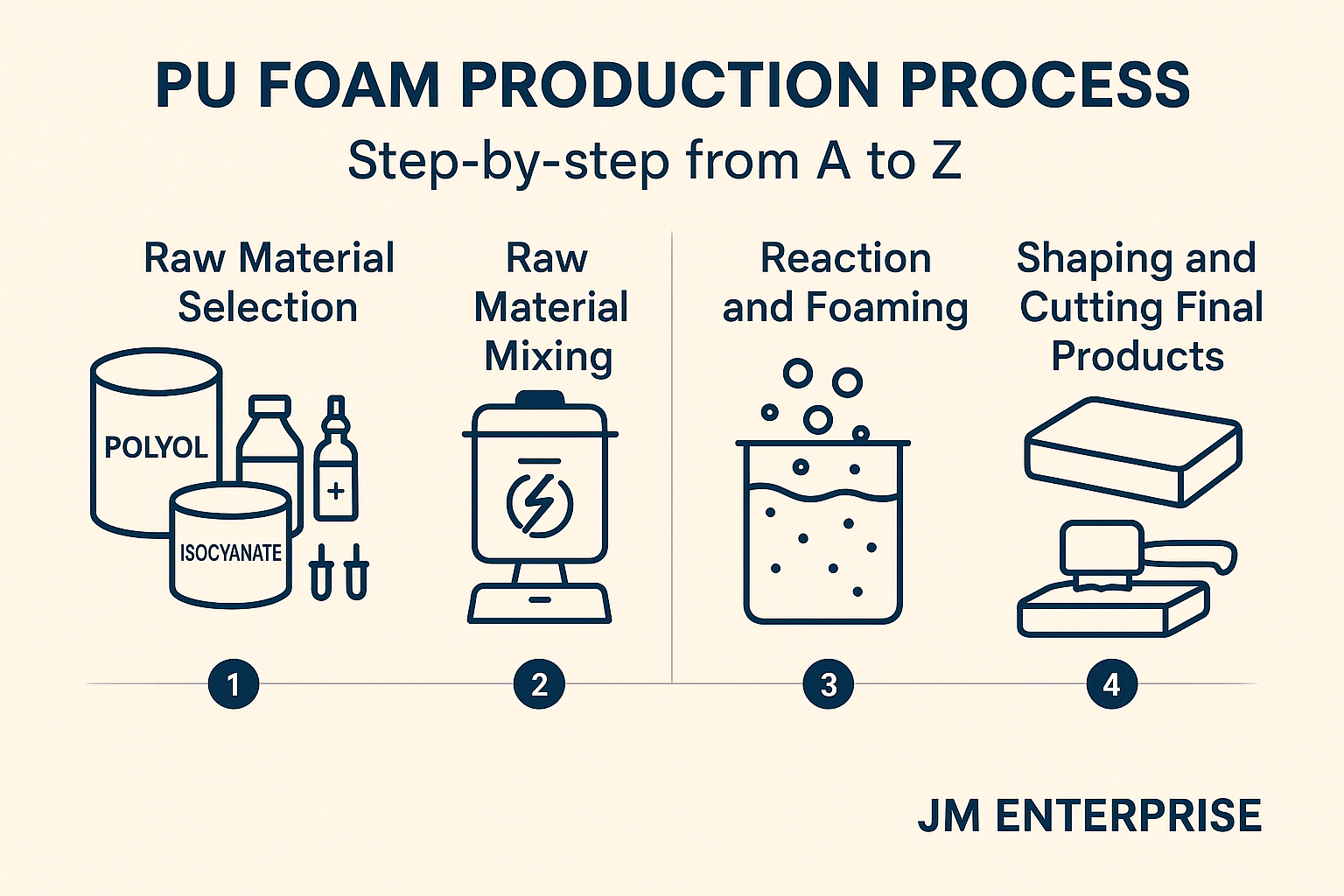
PU Foam Production Process: A Step-by-Step Guide from A to Z

Explore the complete PU foam production process from A to Z and discover how sou...

TPU and Sustainability: Is It an Eco-Friendly Material?

Discover whether TPU is truly eco-friendly, its recyclability, product life cycl...

Hydroxy and Oxygen Content in Polyol – The Key to High-Quality Polyurethane Production

How OH and oxygen content in polyol affect polyurethane performance. Learn how t...

TDI/MDI – Complete Solutions for Your PU Production Needs

JM Enterprise supplies high-quality MDI and TDI for PU production in Vietnam. Co...

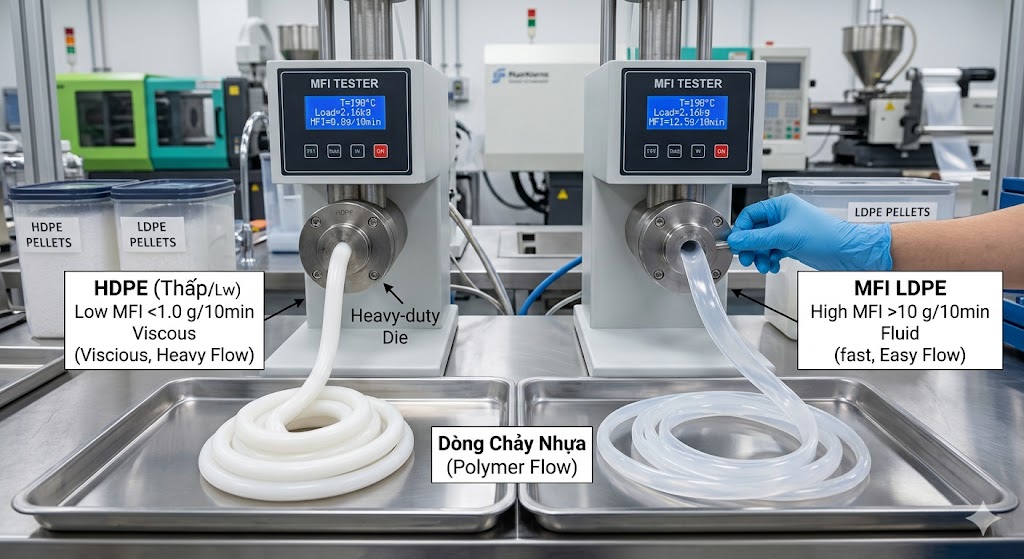
Impact of Melt Flow Index (MFI) on HDPE/LDPE Extrusion & Film Blowing | JM ENTERPRISE

Understand how MFI affects the production of HDPE and LDPE. Expert technical ins...

Related Blogs

Differentiating Standard Waterproof PU vs. PFAS-Containing PU: Export Risks Businesses Must Know

Distinguish between standard waterproof PU (PFAS-Free) and PFAS-containing PU. S...

Comparing DOTP and DOP in Polyurethane Production: Which is the Optimal Choice?

A detailed technical analysis of the differences in molecular structure, volatil...

Polyurethane in Shoe Sole Manufacturing: Molding Technology & Color Pigment Dispensing

Explore PU sole molding technology and specialized Color Paste pigment dispensin...

Polyol Quality – The Key to Superior Polyurethane Products

High-quality polyol plays a vital role in enhancing the performance and durabili...

Low-VOC Trends: Comprehensive Guide to Odorless Catalysts & Additives for Export-Grade PU Foam

Discover Low-VOC additives & reactive catalysts for PU Foam: Eliminate amine odo...

TPU and Sustainability: Is It an Eco-Friendly Material?

Discover whether TPU is truly eco-friendly, its recyclability, product life cycl...

Zalo Zalo