1. Introduction: The PFAS Risk Trigger in Polyurethane (PU) Coatings
Polyurethane (PU) has long been the backbone of the textile and footwear industries thanks to its flexibility, superior waterproof membrane formation, and high mechanical durability. However, amid a global wave of tightening environmental regulations, the PU coating on your products may contain a hidden risk trigger known as PFAS.
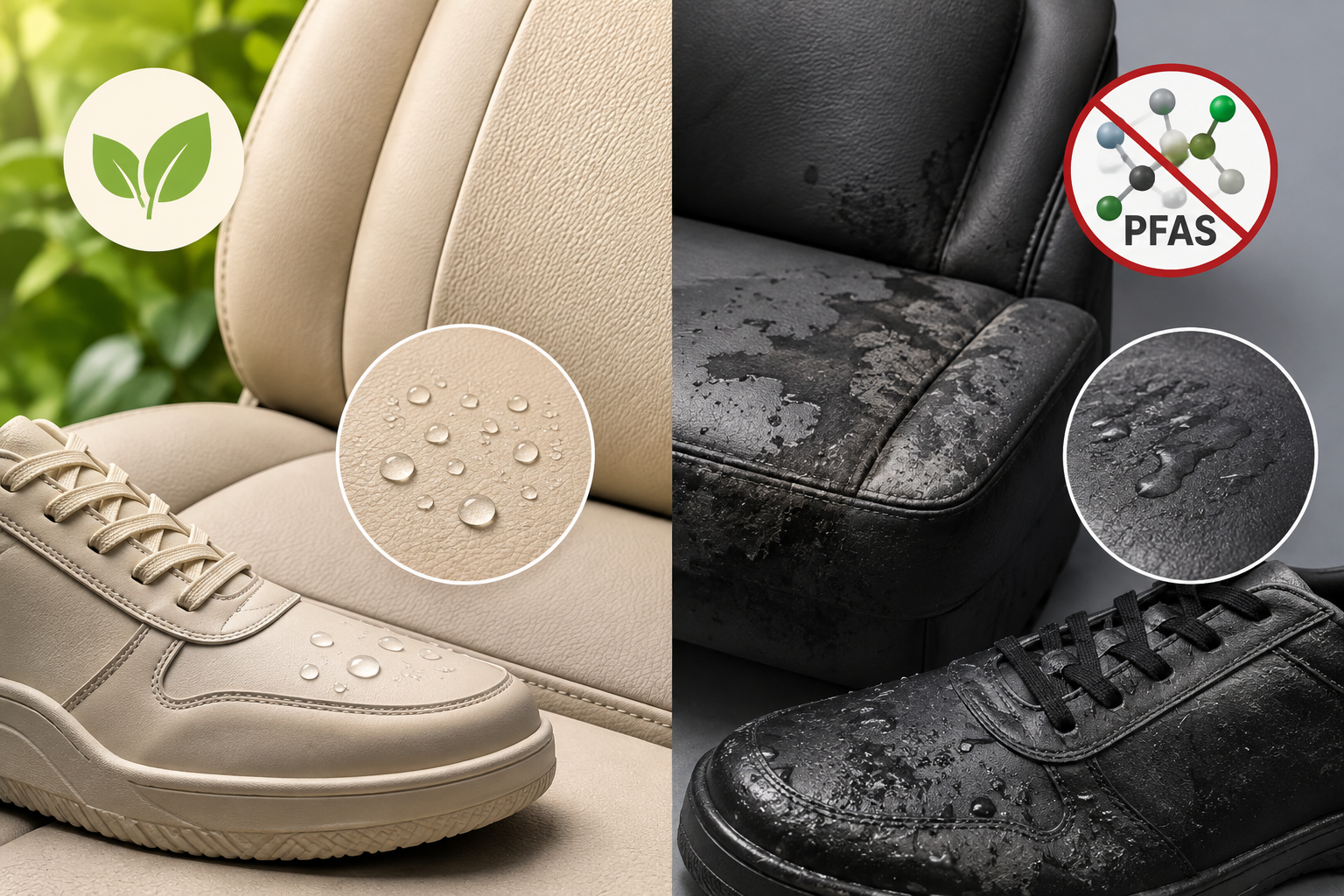
Many businesses still confuse the basic waterproofing properties of standard PU membranes with the addition of PFAS chemicals used to enhance oil resistance. Failing to clearly distinguish between these two material types places textile and footwear export orders at severe risk of seizure or destruction in strict international markets.
2. What Is PFAS and Why Is It Present in Waterproof PU Coatings?
PFAS (Per- and polyfluoroalkyl substances) are a class of thousands of synthetic chemicals containing extremely strong Carbon-Fluorine bonds. Because they do not break down naturally in the environment or the human body, they are widely known as forever chemicals.
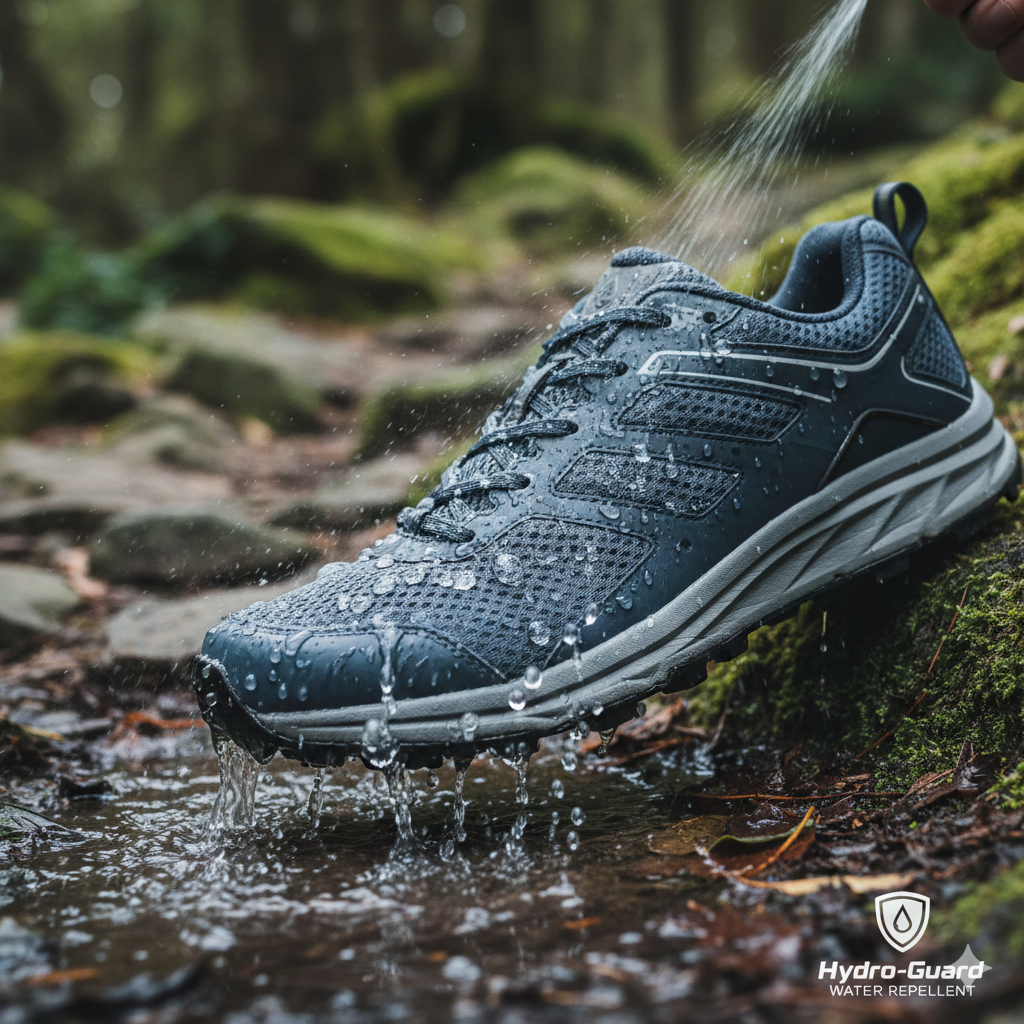
In the textile and footwear sectors, a standard PU membrane natively provides mechanical water resistance. To achieve superior water repellency (DWR - Durable Water Repellent), oil resistance, and stain resistance for outdoor jackets, athletic footwear, or protective apparel, many manufacturers blend PFAS-containing additives into the PU coating process.
Despite delivering high performance, PFAS poses severe risks to human health (including endocrine disruption and cancer) and causes century-long water pollution.
3. Key Differences: Standard Waterproof PU (PFAS-Free) vs. PFAS-Containing PU
To avoid violating strict export regulations, businesses must understand the key differences between these two material categories:
|
Key Criteria
|
Standard Waterproof PU (PFAS-Free)
|
PFAS-Containing Waterproof PU
|
|
Core Technology
|
Pure PU membrane, Waterbased PU (WPU), or Silicone/Wax blends.
|
PU membrane reinforced with fluorine-based additives (C8, C6, C4).
|
|
Water Resistance
|
Strong water resistance under rain and high humidity.
|
Extreme water resistance under heavy pressure.
|
|
Oil & Stain Resistance
|
No oil, grease, or chemical repellency.
|
Superior oil, grease, and stain repellency.
|
|
Safety & Environment
|
Eco-friendly and safe for consumers.
|
Bioaccumulative; listed as banned hazardous chemicals.
|
|
Compliance Standards
|
OEKO-TEX Standard 100, bluesign®, ZDHC, PFAS-Free.
|
Fails next-generation green compliance standards.
|
4. PFAS Banning Trends in the US & EU: A Wave of Strict Regulations
If your business manufactures or exports to major overseas markets, staying current with legislative updates is essential for survival:
- In the US Market: Major states like California, New York, and Washington have officially passed laws prohibiting the sale of textiles and footwear containing PFAS (enforcing strict Total Fluorine control thresholds, typically below 100 ppm or 50 ppm).
- In the European Union (EU): The European Chemicals Agency (ECHA) is advancing a broad restriction proposal to ban all PFAS under REACH regulations. Major international fashion brands in the EU are committing to completely eliminate PFAS from their supply chains under the ZDHC (Zero Discharge of Hazardous Chemicals) standard.
5. Impact of PFAS Bans on Vietnamese Textile & Footwear Manufacturers
The wave of PFAS restrictions is no longer a warning on paper—it directly impacts factory operations in Vietnam:
- Risk of Seizure and Returned Goods: Shipments using PU coatings, PU adhesives, or coated fabrics containing PFAS face a high risk of detention at US/EU customs, resulting in severe financial losses.
- Supply Chain Transparency Pressure: International OEM/ODM partners continuously demand that Vietnamese suppliers provide PFAS-Free certifications (CoC/SDS) for every batch of raw materials.
- Raw Material Control Challenges: Many processing factories lack the capability to test for hidden chemicals within PU adhesives or coatings sourced from third-party suppliers.
6. Green Transition Solutions with JM ENTERPRISE
Facing major challenges from global markets, JM ENTERPRISE is proud to be a trusted partner accompanying Vietnamese textile and footwear manufacturers on their path toward green, export-compliant raw materials.
JM ENTERPRISE provides a comprehensive suite of advanced Polyurethane material solutions:
- PFAS-Free PU Coatings & Adhesives: Guaranteed 100% free of forever chemicals, fully complying with the most rigorous Total Fluorine testing criteria.
- Waterbased Polyurethane (WPU): A green technology alternative to traditional solvent-based PU, significantly reducing VOC emissions while remaining completely safe for workers and end consumers.
- Technical Documentation & Compliance Support: Complete certifications, SDS, and CoC documentation to help your business effortlessly pass supply chain audits required by US & EU partners.
Contact JM ENTERPRISE Today For Technical Support
If your business is looking for PFAS-Free waterproof PU solutions or needs assistance in qualifying raw materials to meet US & EU export standards, contact us today for support from top industry experts and receive sample test batches of our advanced materials.
- Hotline / Zalo:
- +84 933 706 351 – Mr. Cha (English & Korean Support)
- +84 913 390 054 – Ms. Ngan (Vietnamese Support)
- Email: jhcha@jmentchemical.com
- Website: https://jmentchemical.com/