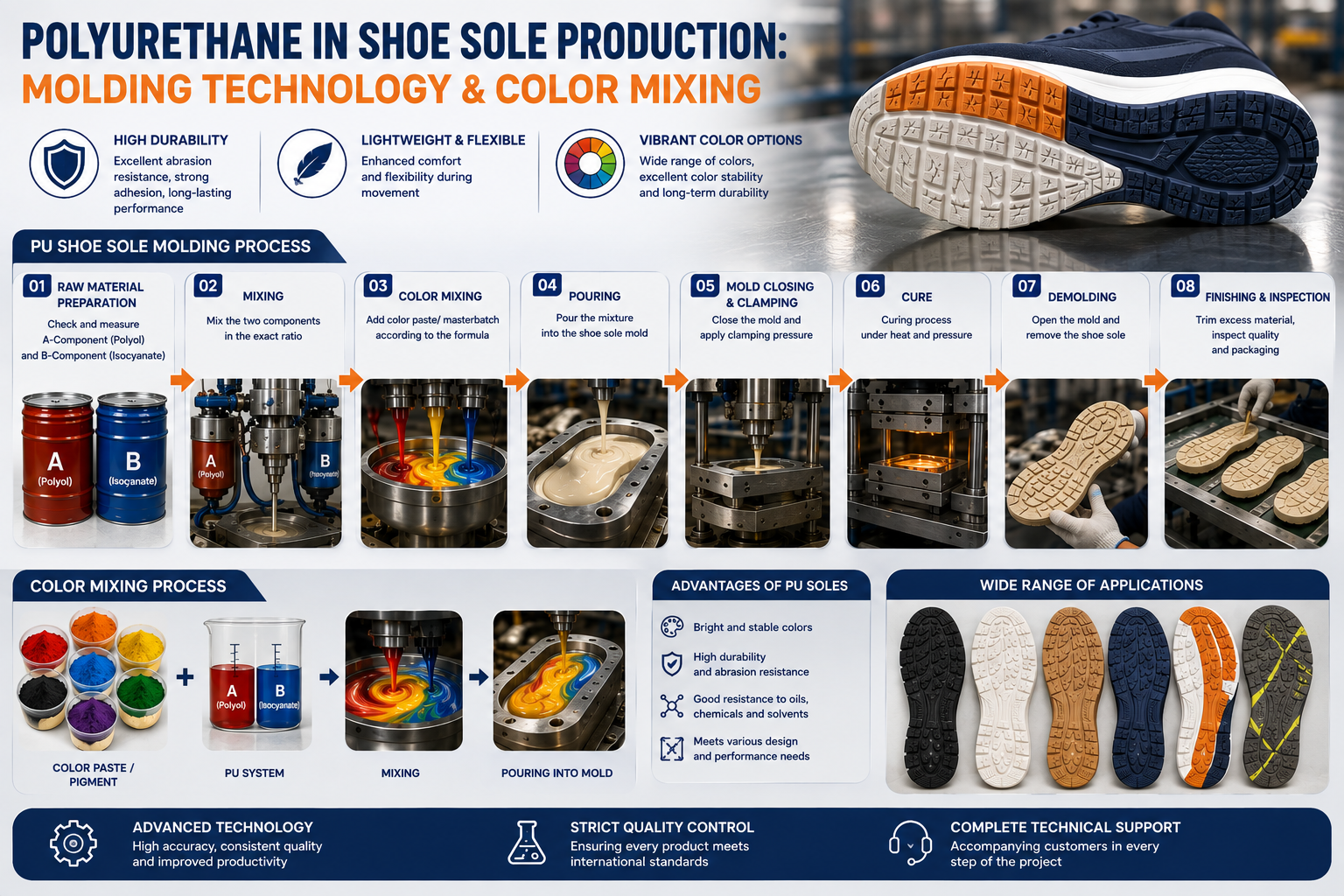
1. PU Molding Technology — The Breakthrough Solution in Shoe Sole Manufacturing
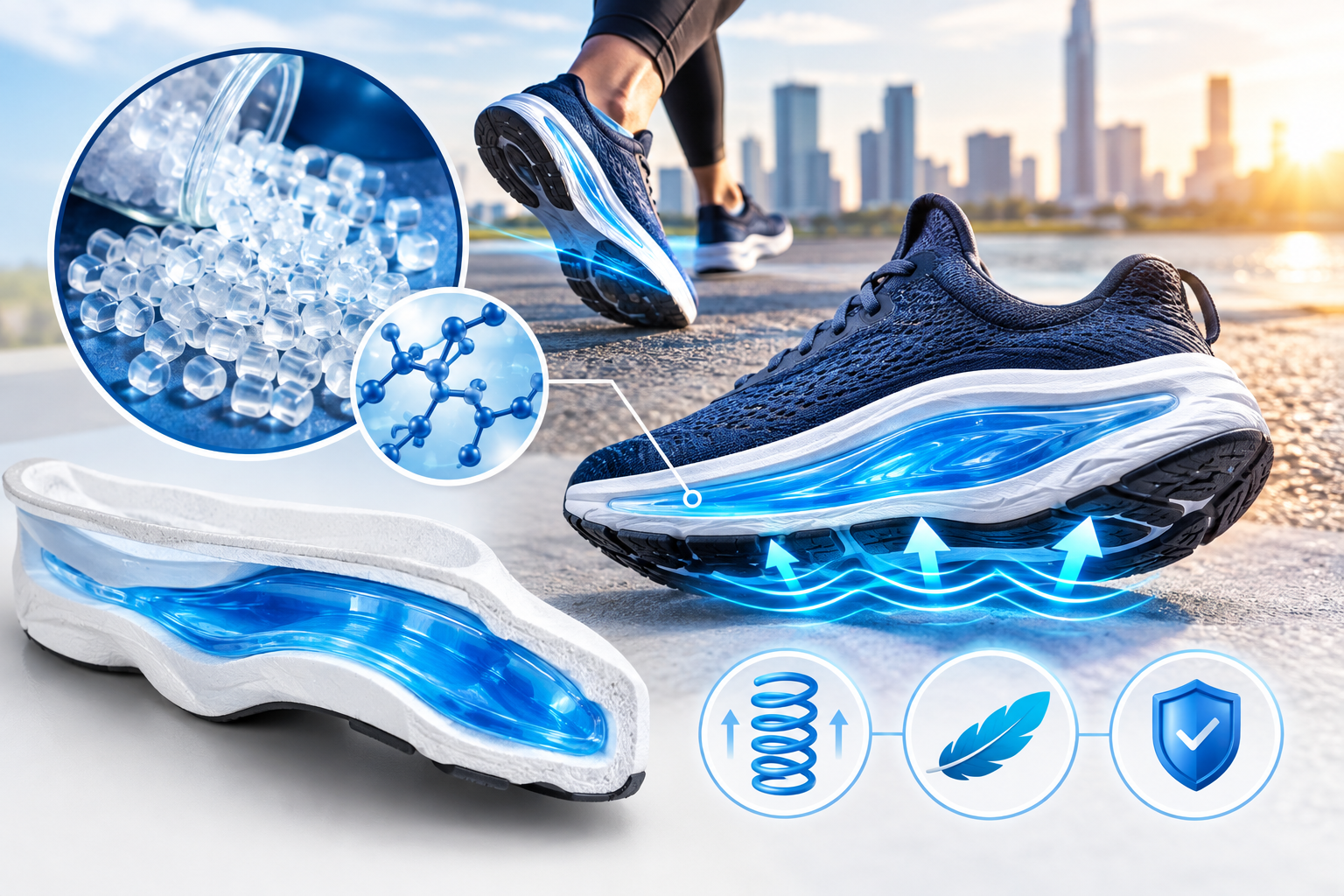
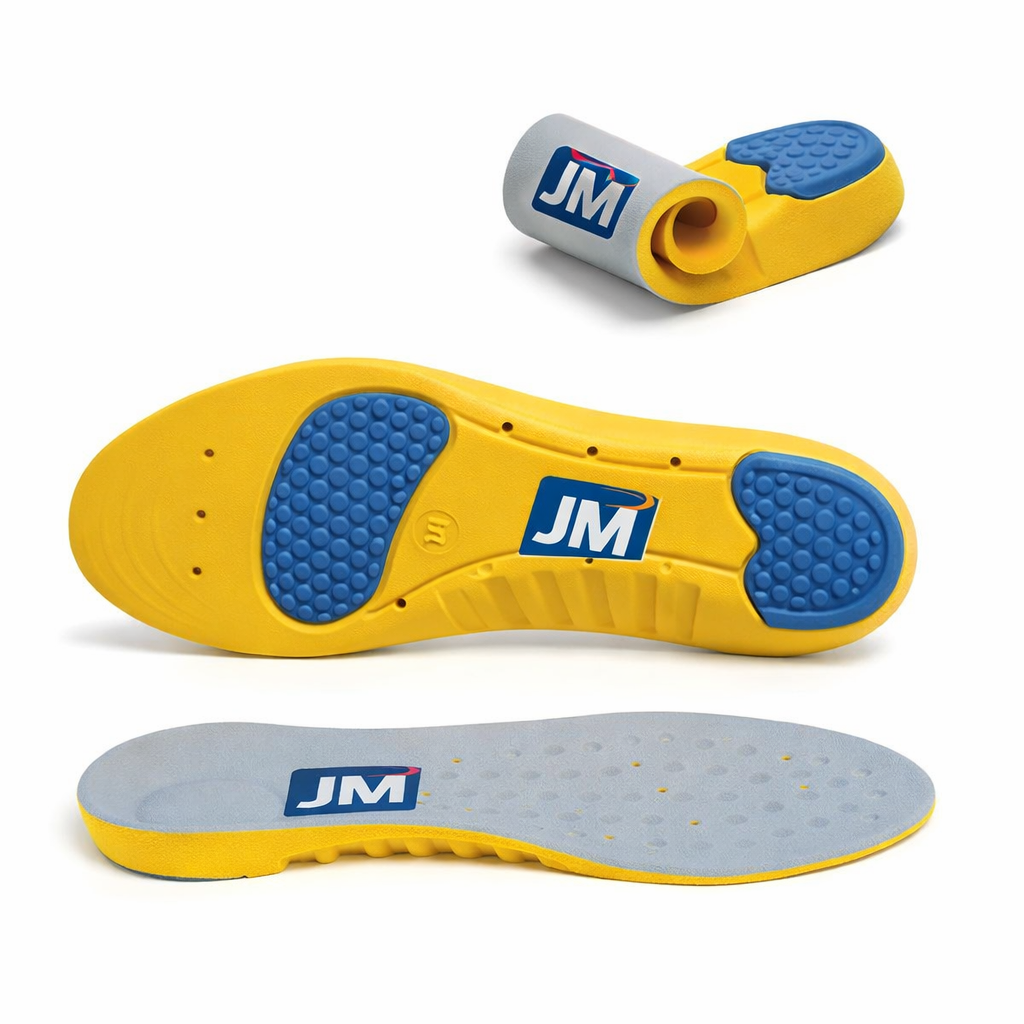
In modern footwear manufacturing, Polyurethane (PU) Casting and Molding technology has established itself as the gold standard for producing athletic midsoles, safety boot outsoles, and fashion footwear. Compared to conventional EVA compression molding or rubber vulcanization, Microcellular PU Foam offers an ultra-lightweight profile, superior cushioning, and exceptional bonding versatility.
However, the PU sole molding process demands strict synchronization between chemical stoichiometry (Polyol & Isocyanate ratio), injection flow kinetics, and specialized Color Paste dispersion techniques. Utilizing improper additives or incorrect processing parameters leads to costly production defects: surface voiding, pinholes, color streaking, or mold adhesion failure.
This guide from the technical team at JM ENTERPRISE delivers an in-depth breakdown of PU shoe sole molding workflows and color dispersion best practices for export-grade footwear lines.
2. The 5-Step Process in PU Shoe Sole Molding Technology
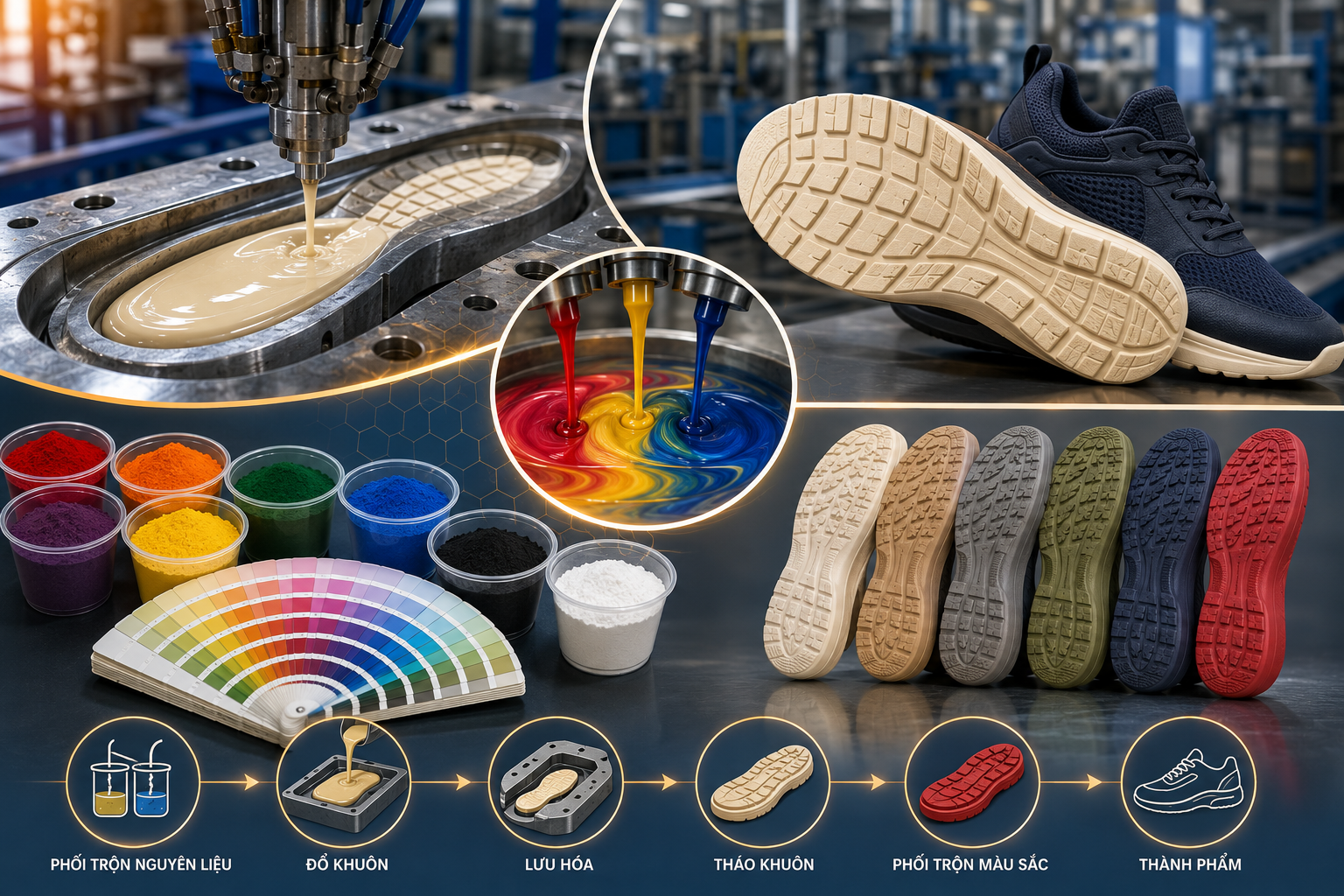
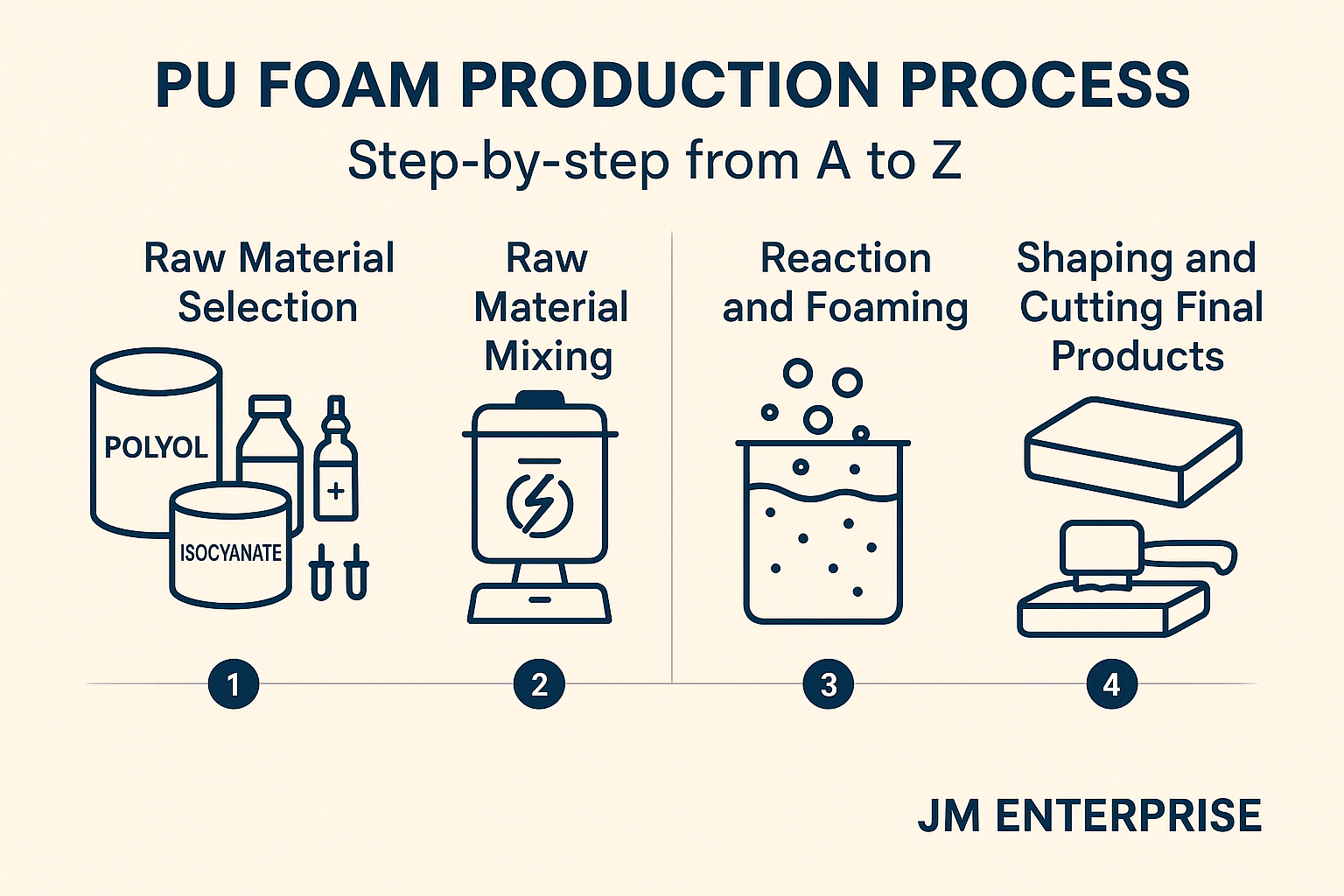
PU shoe sole manufacturing utilizes Closed Mold Casting technology via high-pressure or low-pressure Polyurethane dispensing machines across 5 standardized engineering steps:
                               ┌───────────────────────────┐
                               │     PU SOLE MOLDING       │
                               └─────────────┬─────────────┘
                                             │
  [ Step 1 ] ──► Preheat metal mold ($45°C - 55°C) & Spray mold release agent
  [ Step 2 ] ──► Meter & blend Polyol stream (with Pigment/Catalysts) and Isocyanate
  [ Step 3 ] ──► Inject liquid PU mixture into mold cavity via automated mix head
  [ Step 4 ] ──► Close mold; foaming expansion & chemical curing (Curing time: 2 - 5 mins)
  [ Step 5 ] ──► Demold, trim flash, and post-cure aging
Critical Processing Gateways:
-
Mold Temperature Control (45∘C−55∘C): Cold mold temperatures retard the foaming reaction, causing core collapse or a tacky, under-cured surface. Excessively high mold temperatures scorch the sole skin or induce micro-cracking.
-
Stoichiometric Mixing Ratio: The Isocyanate/Polyol index must be precisely calibrated via machine metering pumps. A stoichiometric deviation of just 1%−2% drastically alters final hardness (Shore A/C) and tear strength.
-
Cell Nucleation & Air Management: Utilizing balanced catalysts and specialized Silicone Surfactants ensures that generated CO2 gas disperses evenly, yielding a smooth, pinhole-free outer skin.
3. Color Pigment Dispensing (Color Paste) in PU Soles
Unlike thermoplastic processing (which uses dry Masterbatch granules), liquid Polyurethane systems strictly require specialized PU Color Pastes (Pigment Pastes) pre-dispersed in compatible polyol carriers.
                   ┌────────────────────────────────────────┐
                   │ TECHNICAL REQUIREMENTS FOR COLOR PASTE │
                   └───────────────────┬────────────────────┘
                                       │
  [ Ultra-Fine Micronized Pigment ] ─► [ Uniform Coloration; Zero Specks/Streaks ]
                                       │
  [ Anhydrous / Zero Water Content ] ─► [ Zero Interference with Foaming Reaction ]
                                       │
  [ Thermal & Light Stability ] ─────► [ Prevents Fading & UV Yellowing Outdoors ]
Color Processing Challenges & Engineering Fixes:
-
Batch-to-Batch Color Variations:
-
Root Cause: High color paste viscosity clogs secondary dosing injectors or causes pigment settling in auxiliary holding tanks.
-
Solution: Utilize low-viscosity, high-self-dispersing Color Pastes paired with continuous mechanical agitation in color feed tanks.
-
Disruption of Foam Reaction Kinetics:
-
Root Cause: Low-grade industrial pigments contain free moisture or impurities that consume Isocyanate or accelerate blowing out of control.
-
Solution: Use dedicated PU Color Pastes with fixed Hydroxyl (OH) values and ultra-low moisture content (Moisture<0.1%).
-
Color Migration / Bleeding:
4. Troubleshooting Common Defects in PU Sole Molding
| Defect Symptom |
Technical Root Cause |
Corrective Action |
| Surface voiding & pinholes |
Trapped air, heavy release agent buildup, or low Silicone Surfactant dosage. |
Apply an even, micro-thin release coat; add cell openers or surface tension reducers. |
| Tacky surface & mold sticking |
Incompatible release agent, cold mold cavity, or deficient Gelling catalyst. |
Raise mold temperature to 50∘C; adjust Gelling Amine Catalyst loading. |
| Post-demold shrinkage & warping |
Excessive closed-cell ratio or premature demolding before gel strength develops. |
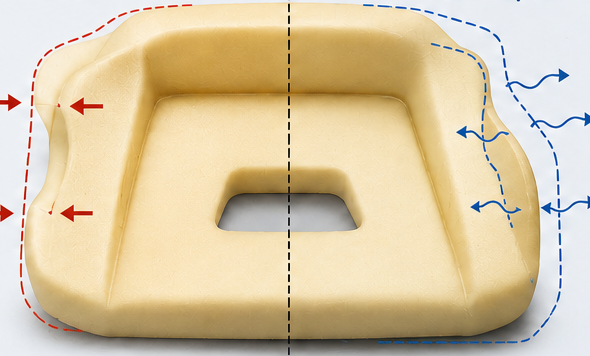
Balance catalysts to increase open-cell content; extend mold residence time. |
| Color streaking & marble effect |
Incomplete color paste mixing with primary polyol, or clogged pigment injectors. |
Switch to high-dispersion PU Color Pastes; recalibrate automatic pigment dosing nozzles. |
Contact JM ENTERPRISE Today For Technical Support
Are you operating a PU shoe sole molding line and looking to eliminate surface pinholes, optimize mold release performance, or source high-dispersion, non-bleeding PU Color Pastes?
Contact the application engineering team at JM ENTERPRISE today for specialized technical consultations and trial samples for direct factory testing: