HCM HEAD OFFICE: Room S15, Saigon Pearl, 92C Nguyen Huu Canh, Thanh My Tay Ward, Ho Chi Minh City
HANOI BRANCH: N45-TT4 Do Dinh Thien Street, My Dinh – Song Da Urban Area, Tu Liem Ward, Hanoi
24/7
Call Now
+84 933 706 351
JMENTERPRISE CO., LTD.
Mail Now
jhcha@jmentchemical.com
Top 3 Foam Materials for Industrial Applications – PU, PE, EVA

Top 3 Foam Materials for Industrial Applications – PU, PE, EVA

Overview of Industrial Foam Materials

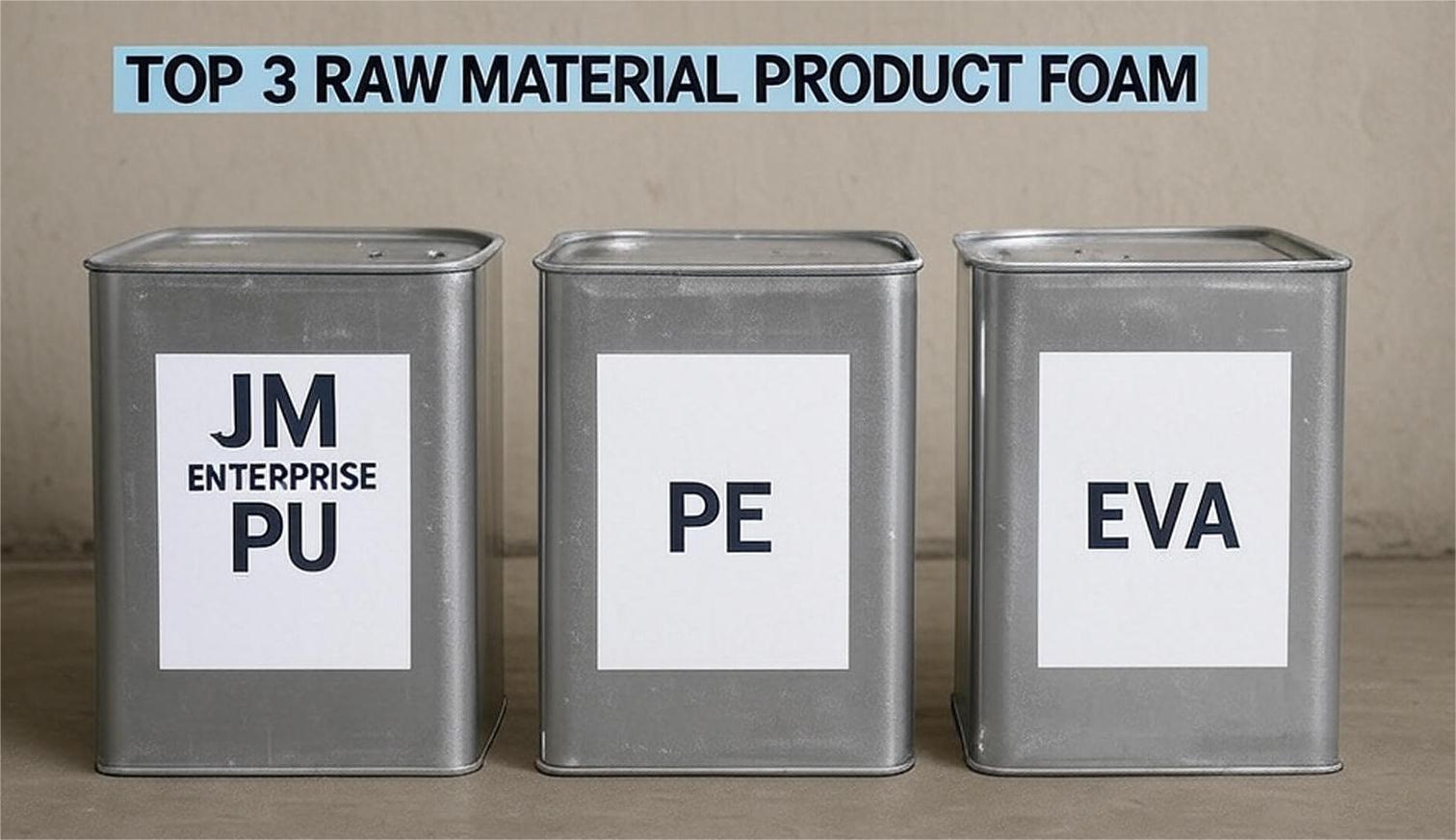
Among dozens of available foam types, the three most dominant are:
🔹 PU (Polyurethane)
🔹 PE (Polyethylene)
🔹 EVA (Ethylene Vinyl Acetate)

 1. PU (Polyurethane) – The Future of Foam Technology

PU foam is currently the most versatile and high-performance option thanks to its:

🔸 Strong expansion and adhesion

🔸 Excellent insulation and waterproofing properties

🔸 Available in 1K (moisture-cure) and 2K (fast-reacting) systems

✨ PU Foam Leads the Global Green-Tech Trend:

✅ Widely used in green buildings for energy savings
✅ MDI/Polyol systems are now CFC/HCFC-free
✅ Superior to traditional foam in performance and durability

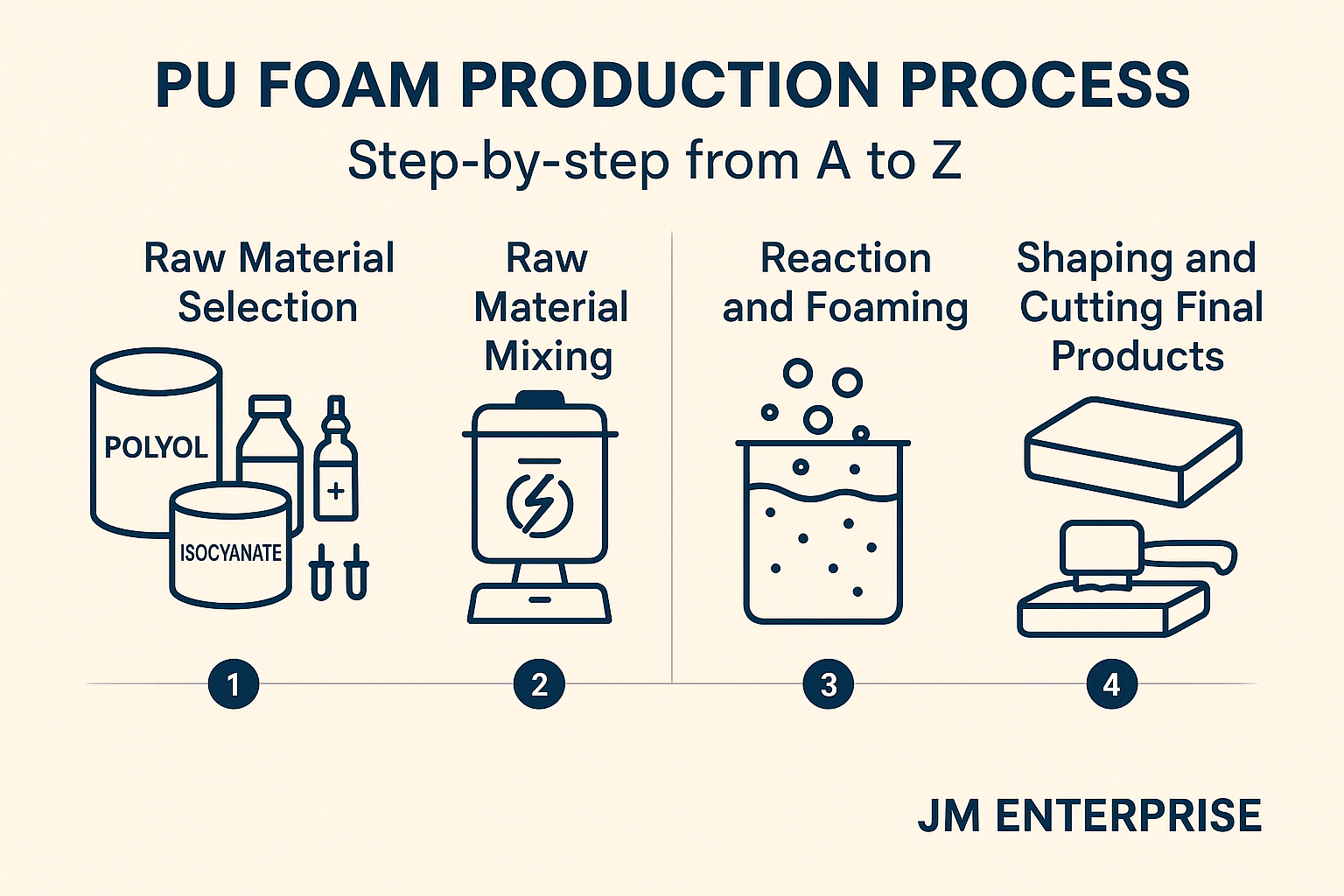
📌 Key raw materials for PU foam:

  • Polyol
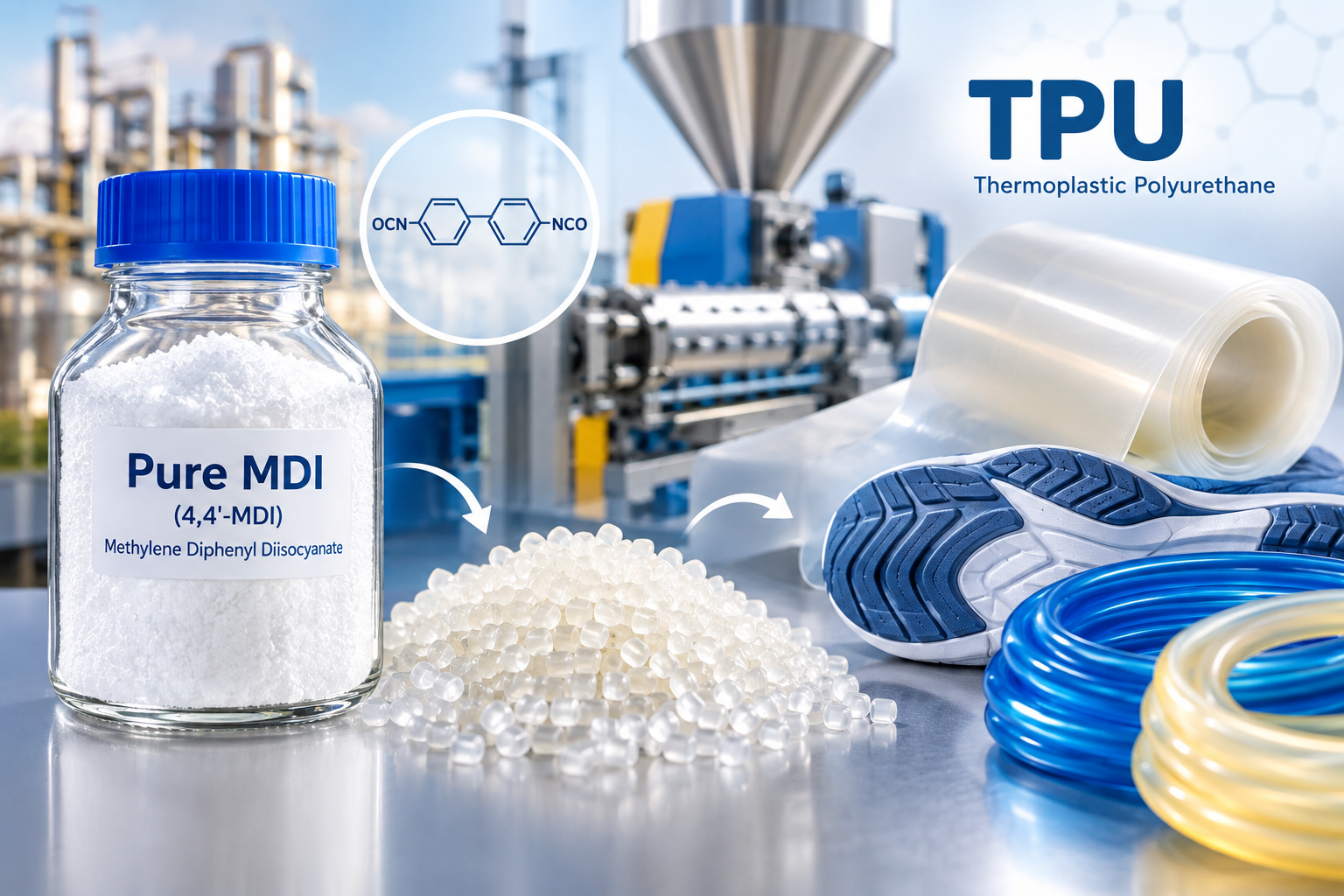
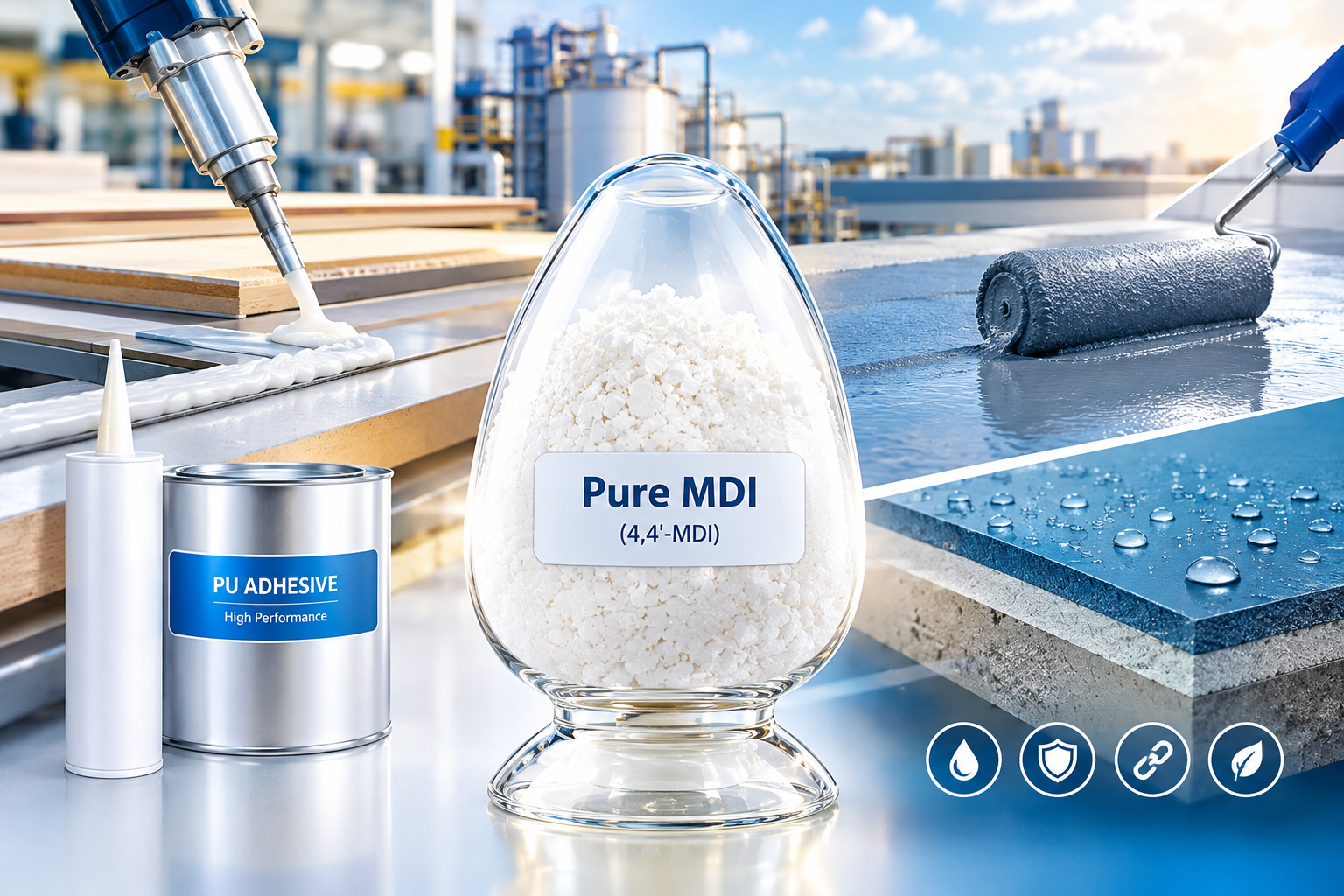
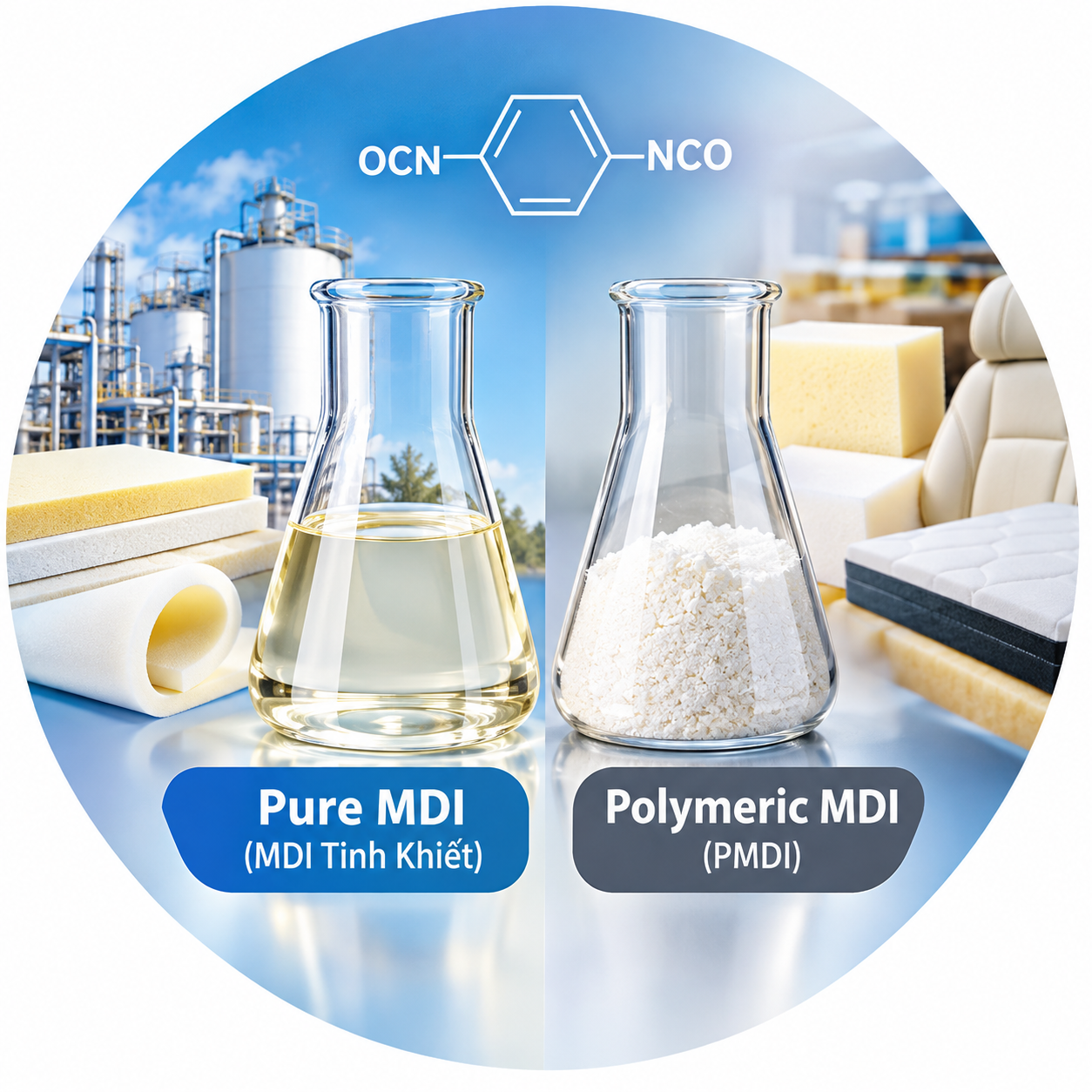
  • MDI (Methylene Diphenyl Diisocyanate)
  • Blowing agents, catalysts, flame retardants…

📌 Typical applications:

  • Spray foam insulation
  • Waterproofing basements and tanks
  • PU panels, insulation tubes, interior foam parts

 2. PE (Polyethylene) – Lightweight Foam for Packaging & Flooring

PE foam is flexible, lightweight, and shock-absorbent – commonly used for:
🔸 Packaging fragile goods and electronics
🔸 Floor underlayment and thermal insulation
🔸 Anti-impact foam and soundproofing

Key materials: Virgin PE resin + blowing agents + aging stabilizers

 3. EVA (Ethylene Vinyl Acetate) – Soft Foam for Comfort and Flexibility

EVA foam is known for its elasticity and softness. Common applications include:
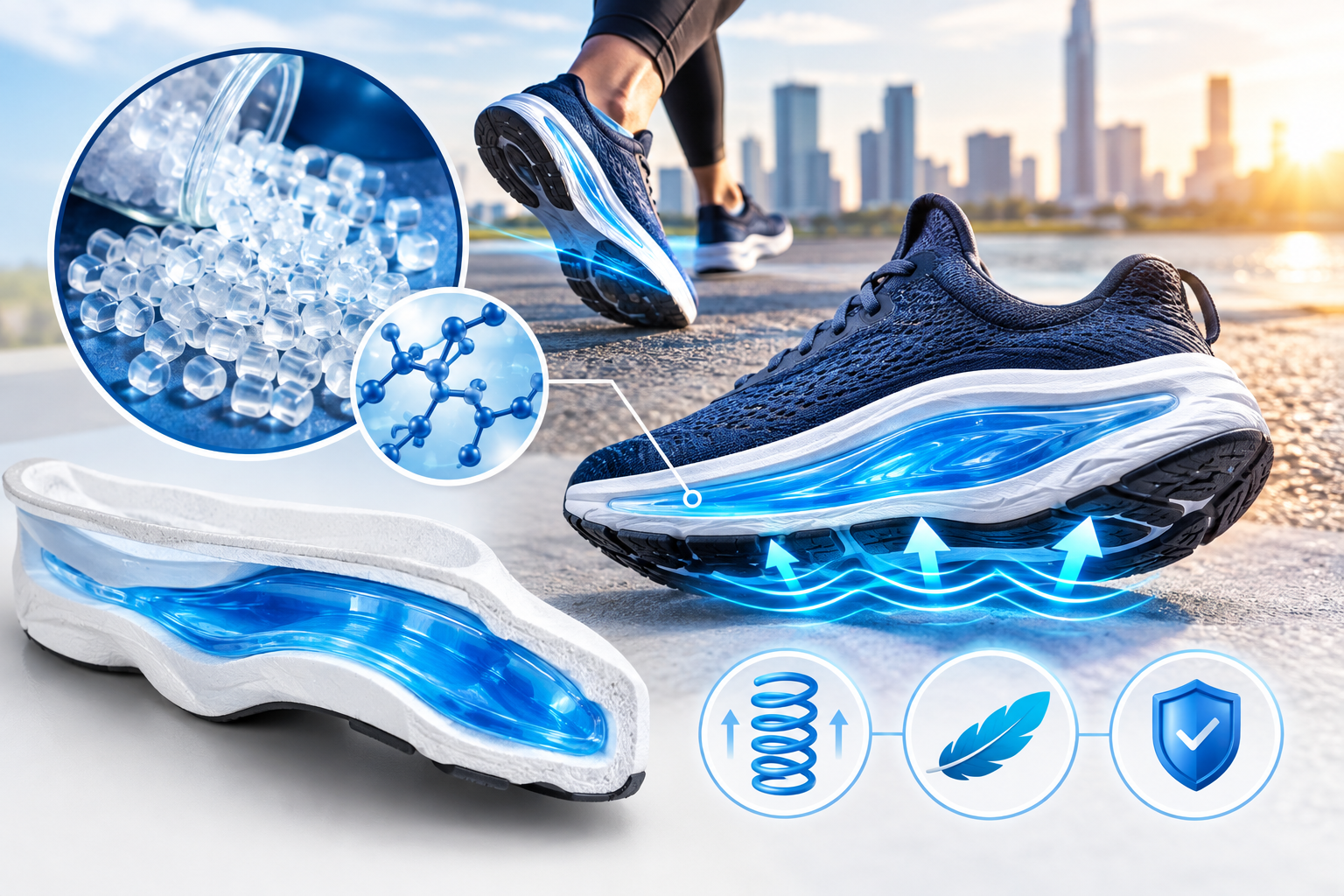
🔸 Footwear, exercise mats, car cushions
🔸 Children's toys, shaped packaging
🔸 Soft and durable foam products

Main components: EVA resin + foaming agents + processing additives

4. Comparison Table: PU vs PE vs EVA Foam

Criteria

PU (Polyurethane)

PE (Polyethylene)

EVA (Ethylene Vinyl Acetate)

Key Properties

Strong insulation, waterproof, expandable

Lightweight, flexible, impact-resistant

Soft, elastic, easy to shape

Foam Structure

Open-cell or closed-cell

Closed-cell, fine texture

Closed-cell, soft and flexible

Main Applications

Insulation, waterproofing, PU panels, spray foam

Packaging, flooring, pipe insulation

Footwear, toys, cushion foam

Elasticity

Medium to high

Medium

High

Thermal Insulation

Very high

Moderate to good

Good

Water Resistance

Excellent

Low – mainly moisture-resistant

Moderate

Environmental Resistance

High – UV and weather resistant

Moderate – degrades without additives

Moderate – surface treatment needed

Eco-friendliness

High – eco-grade available

Good – recyclable

Moderate – not biodegradable


5.JM ENTERPRISE – Trusted Foam Chemical Supplier in Vietnam

We provide high-quality industrial foam raw materials, including:

🔹 Polyol, MDI, PU foam additives

🔹 Blowing agents (AC, ADC) for PE/EVA foam

🔹 Korean-grade flame retardants and catalysts

🔹 Custom formulas and on-site technical support

🔹 Nationwide delivery and consultation services

📍Contact JM ENTERPRISE today to get a free consultation and customized quotation for your polyurethane production.

Hotline/Zalo: 84 933 706 351 Mr Cha (speak English and Korea) 84 913390054 Ms Ngan ( speak Vietnamese)
📧 Email: jhcha@jmentchemical.com
🌐 Website: https://jmentchemical.com/

🌿 Choose sustainable packaging today — drive long-term business growth tomorrow.

Newest Blogs

Epoxy Resin vs Polyurethane Resin: Key Differences & Selection Guide

Compare Epoxy Resin vs Polyurethane Resin (PU) in detail. Explore key difference...

How to Choose the Right Epoxy Resin for Industrial Applications

Learn how to choose the right epoxy resin for industrial applications. Explore k...

Zero-Carbon Emission Reduction Solutions

Explore Zero-Carbon emission reduction solutions using PU foam insulation. Learn...

In-Depth Analysis of Epoxy vs Epoxy Resin: Chemical Nature, Technical Properties, and Industrial Applications

An in-depth technical analysis of Epoxy vs Epoxy Resin. Clarify terminology, che...

Low-VOC Trends: Comprehensive Guide to Odorless Catalysts & Additives for Export-Grade PU Foam

Discover Low-VOC additives & reactive catalysts for PU Foam: Eliminate amine odo...

Fixing PU Foam Post-Demold Shrinkage & Distortion: Technical Causes & Line Solutions

Troubleshoot PU Foam shrinkage and distortion post-demolding: Uncover closed-cel...

Most Viewed Blogs

Eco-Friendly PU Adhesive for Sustainable Packaging

Durable PU laminating adhesive – solvent resistant, internationally certified....

PU Foam Production Process: A Step-by-Step Guide from A to Z

Explore the complete PU foam production process from A to Z and discover how sou...

TPU and Sustainability: Is It an Eco-Friendly Material?

Discover whether TPU is truly eco-friendly, its recyclability, product life cycl...

Hydroxy and Oxygen Content in Polyol – The Key to High-Quality Polyurethane Production

How OH and oxygen content in polyol affect polyurethane performance. Learn how t...

TDI/MDI – Complete Solutions for Your PU Production Needs

JM Enterprise supplies high-quality MDI and TDI for PU production in Vietnam. Co...

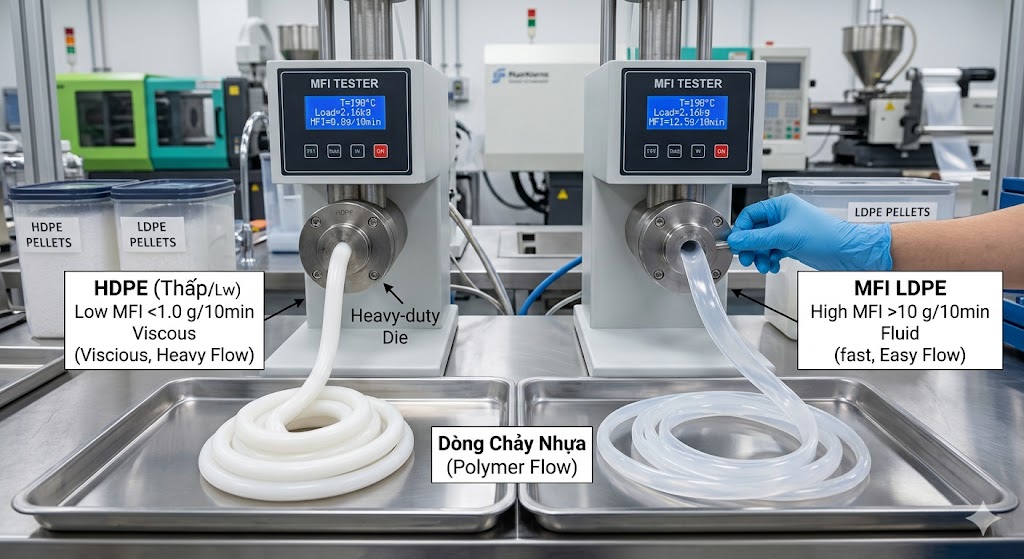
Impact of Melt Flow Index (MFI) on HDPE/LDPE Extrusion & Film Blowing | JM ENTERPRISE

Understand how MFI affects the production of HDPE and LDPE. Expert technical ins...

Related Blogs

Eco-Friendly PU Adhesive for Sustainable Packaging

Durable PU laminating adhesive – solvent resistant, internationally certified....

Troubleshooting 5 Common Issues in Formulating Epoxy Coatings with YD-128 Resin: Air Trapping, Surface Tackiness, and Pinholes

Troubleshooting guide for 5 common formulation defects in YD-128 epoxy coatings:...

How to Choose the Right Epoxy Resin for Industrial Applications

Learn how to choose the right epoxy resin for industrial applications. Explore k...

Silicone Surfactants in PU Foam: The Shield Against Foam Collapse & Lamination Failure

Discover the critical role of Silicone Surfactants in PU Foam production: Surfac...

Polyester Polyol & Formulating High-Performance PU Foam

Comprehensive A-Z guide on Polyether and Polyester Polyols: Chemical formulas, r...

HDPE, LDPE, and LLDPE Comparison: Choosing the Right Grade for Optimal Mechanical Properties

Compare HDPE, LDPE, and LLDPE technical properties and applications. Learn how t...

Zalo Zalo