In the race to optimize performance within the electric vehicle (EV) industry, lightweighting is always a top priority for R&D engineers. The lighter the vehicle, the less energy it consumes, which directly translates to an extended driving range per single charge.
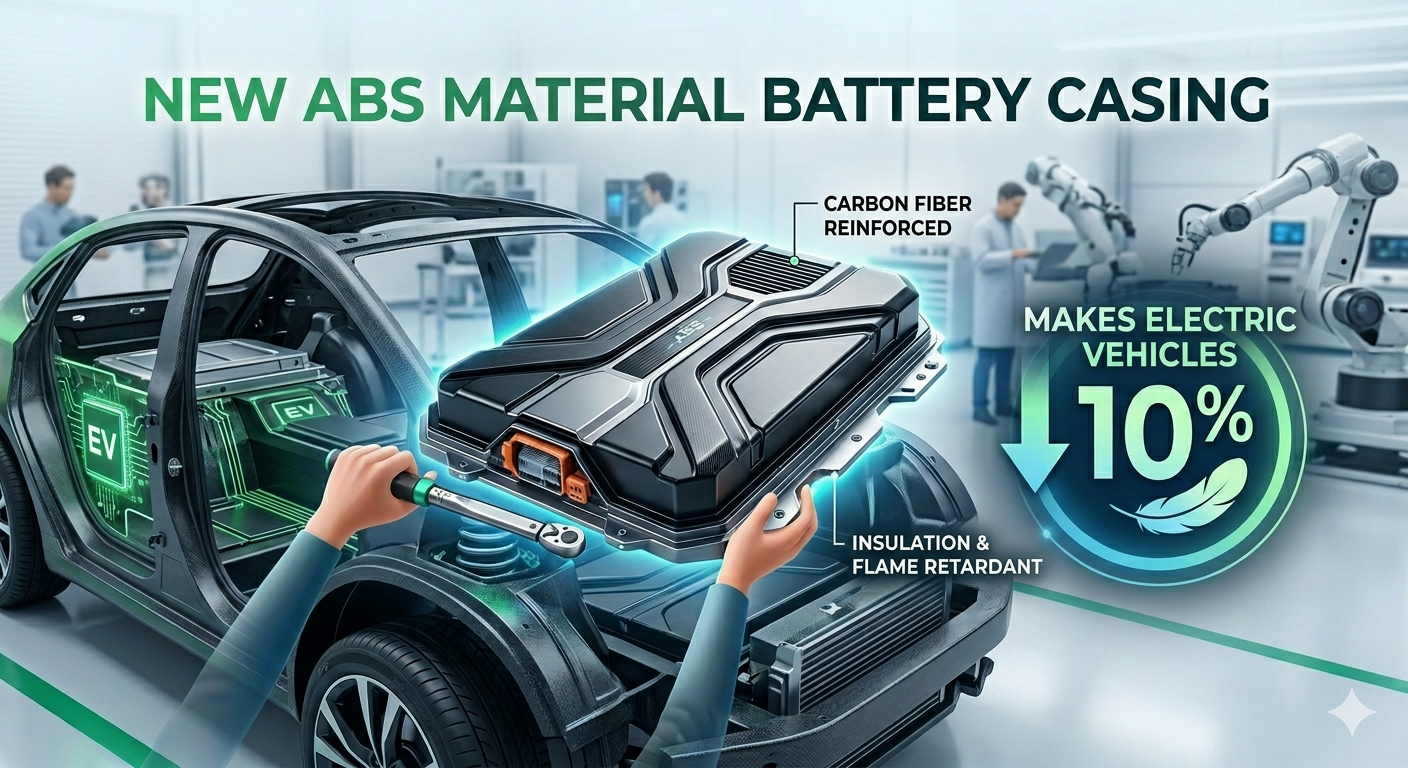
Recently, the application of a next-generation ABS (Acrylonitrile Butadiene Styrene) battery casing material has marked a massive turning point. It shaves up to 10% off the weight of the battery pack structure compared to traditional metal alternatives without compromising structural durability. Let's explore this revolutionary material solution.
1. The 10% Lightweighting Revolution from New ABS Battery Casings
In the past, EV battery pack protective structures were predominantly manufactured from aluminum or alloy steel to ensure rigid protection. However, the fatal flaw of metals is their sheer mass, which passively adds massive dead weight to the vehicle's total payload.
The emergence of advanced engineering ABS granules has completely rewritten the script:
- Exceptionally Low Material Density: ABS resin is roughly 2.5 times lighter than aluminum and significantly lighter than steel. When applied to internal cell dividers and outer battery pack housings, it effortlessly slashes the total weight of the casing system by 10%.
- Optimized Monolithic Design: Injection molding technology allows new ABS materials to be molded into ultra-thin profiles that still feature complex structural reinforcement ribs. This completely eliminates heavy metal hardware like screws, bolts, and bulky weld seams, further trimming down the vehicle's weight.
Reducing battery casing weight by 10% does not just allow an electric car to accelerate more smoothly; it also directly relieves stress on the suspension system and tires, boosting the vehicle's overall operational lifespan.
2. Lighter on the Scale, Uncompromised on Safety
A major concern when switching from metal enclosures to plastic variants is whether ABS resin is strong enough to shield high-voltage battery blocks. The answer is a definitive YES, backed by the superior mechanical and physical traits of this high-grade engineering plastic:
- Excellent Shock Energy Dissipation: ABS contains Butadiene synthetic rubber, providing outstanding toughness and impact strength. In a crash scenario, the ABS outer shell deforms elastically to absorb kinetic energy, keeping the internal battery cells perfectly safe and eliminating the risk of sharp metal punctures causing localized short circuits.
- Superior Thermal Insulation and Flame Retardancy: Unlike metals which transfer heat rapidly, ABS acts as a natural thermal insulator. When compounded with flame-retardant additives that hit the UL94 V-0 threshold, new ABS battery housings effectively contain thermal propagation between cells, self-extinguishing within seconds if an overheating anomaly occurs.
3. Performance Matrix: Next-Gen ABS Casings vs. Traditional Metal Enclosures
|
Comparison Criteria
|
Metal Alloy Housing (Aluminum/Steel)
|
New ABS Material Battery Casing
|
|
Weight Profile
|
Heavy, increasing vehicle energy consumption.
|
10% to 30% lighter, optimizing driving range.
|
|
Manufacturing Feasibility
|
Complex; requires expensive cutting, welding, stamping.
|
Easily injection-molded as a single unit; highly scalable.
|
|
Corrosion Resistance
|
Prone to oxidation from environment and chemical leaks.
|
Absolute chemical resistance; zero rust or degradation.
|
|
Cost Efficiency
|
High raw material and structural processing costs.
|
Optimized production costs for mass production.
|
Export to Sheets
4. JM ENTERPRISE – Elevating Electric Vehicles with High-Performance ABS Granules
To achieve the milestone of reducing battery casing weight by 10% while satisfying brutal technical safety regulations, sourcing high-performance engineering ABS granules with perfectly consistent properties is an absolute prerequisite.
If your enterprise is seeking raw material solutions for high-tech industrial manufacturing, JM ENTERPRISE is your trusted strategic partner. With years of experience supplying plastic raw materials in Vietnam, we are committed to providing international-standard product lines tailored to the most grueling demands of the EV manufacturing sector.
Why Do Manufacturers Choose JM ENTERPRISE?
- Trusted Global Supply: All of our next-gen ABS resins, flame-retardant ABS, and impact-modified ABS formulations are imported directly from globally renowned chemical producers, matching full international quality certifications.
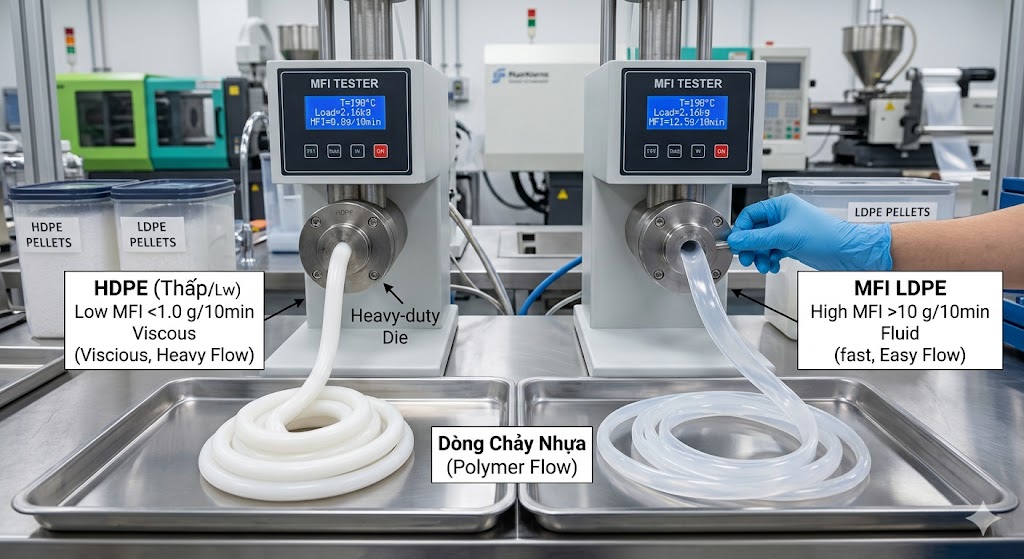
- Flawless Technical Compliance: We provide engineering ABS grades with highly stable Melt Flow Indices (MFI) and low shrinkage rates. This ensures that large-scale EV battery enclosure injection molding processes run with absolute precision, preventing warpage.
- Competitive Pricing: Capitalizing on our expansive distribution network and long-standing strategic alliances with international partners, we deliver the most optimized cost-to-performance ratio for your business.
- Professional Technical Support: We offer free technical consultations led by experienced industry experts, helping your team select the perfect resin grade and fine-tune your machinery parameters.
Contact Us Today for a Free Consultation & Quote!
Embrace the lightweight material trend of the electric vehicle era with JM ENTERPRISE. Reach out to us today to lock in the ultimate material solutions and competitive pricing for your project:
- Hotline/Zalo: * +84 933 706 351 Mr. Cha (English)
- +84 913 390 054 Ms. Ngan (Vietnamese)
- Email: jhcha@jmentchemical.com
- Website: jmentchemical.com