How to Improve Epoxy Adhesion and Durability: A Complete Industrial Guide
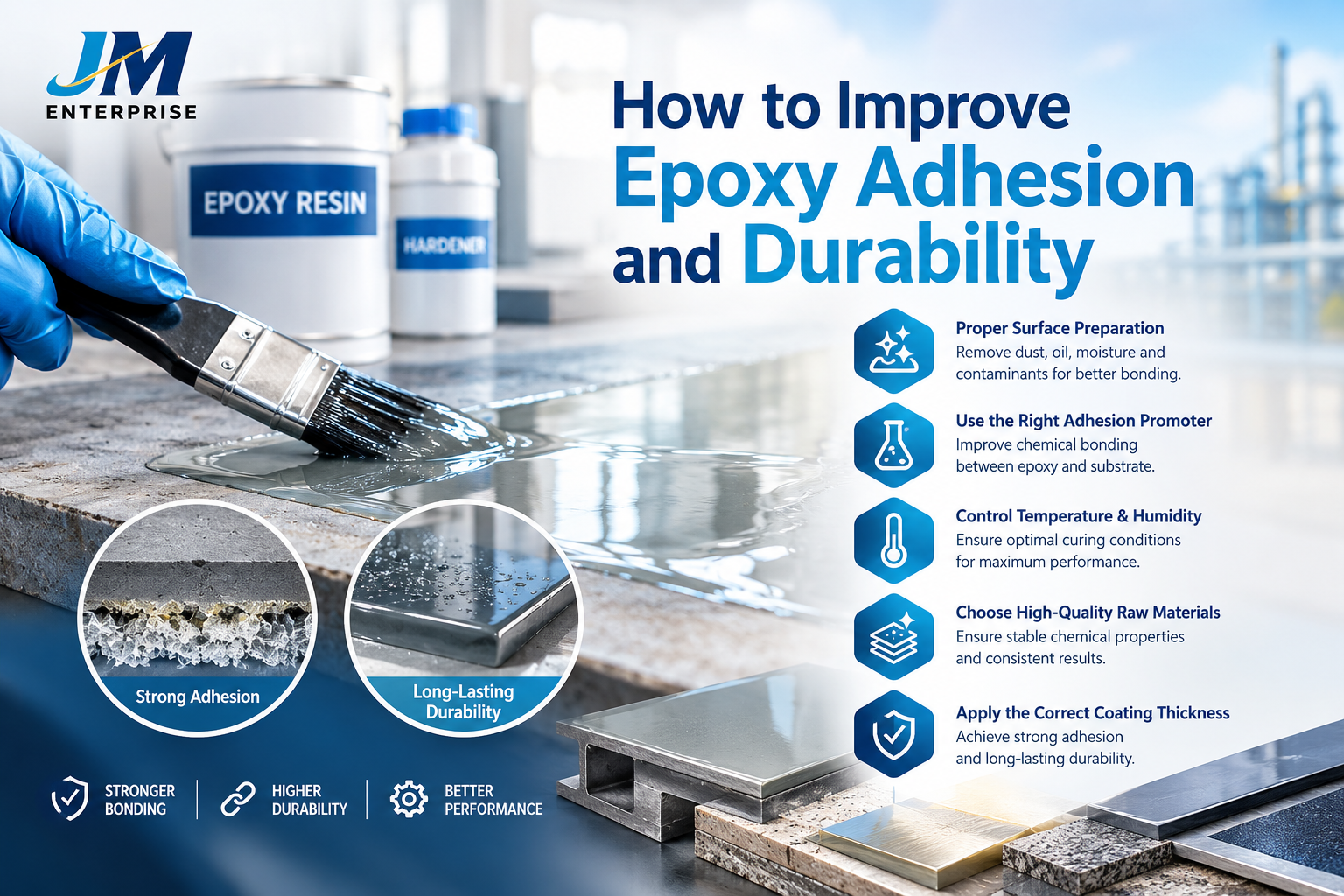
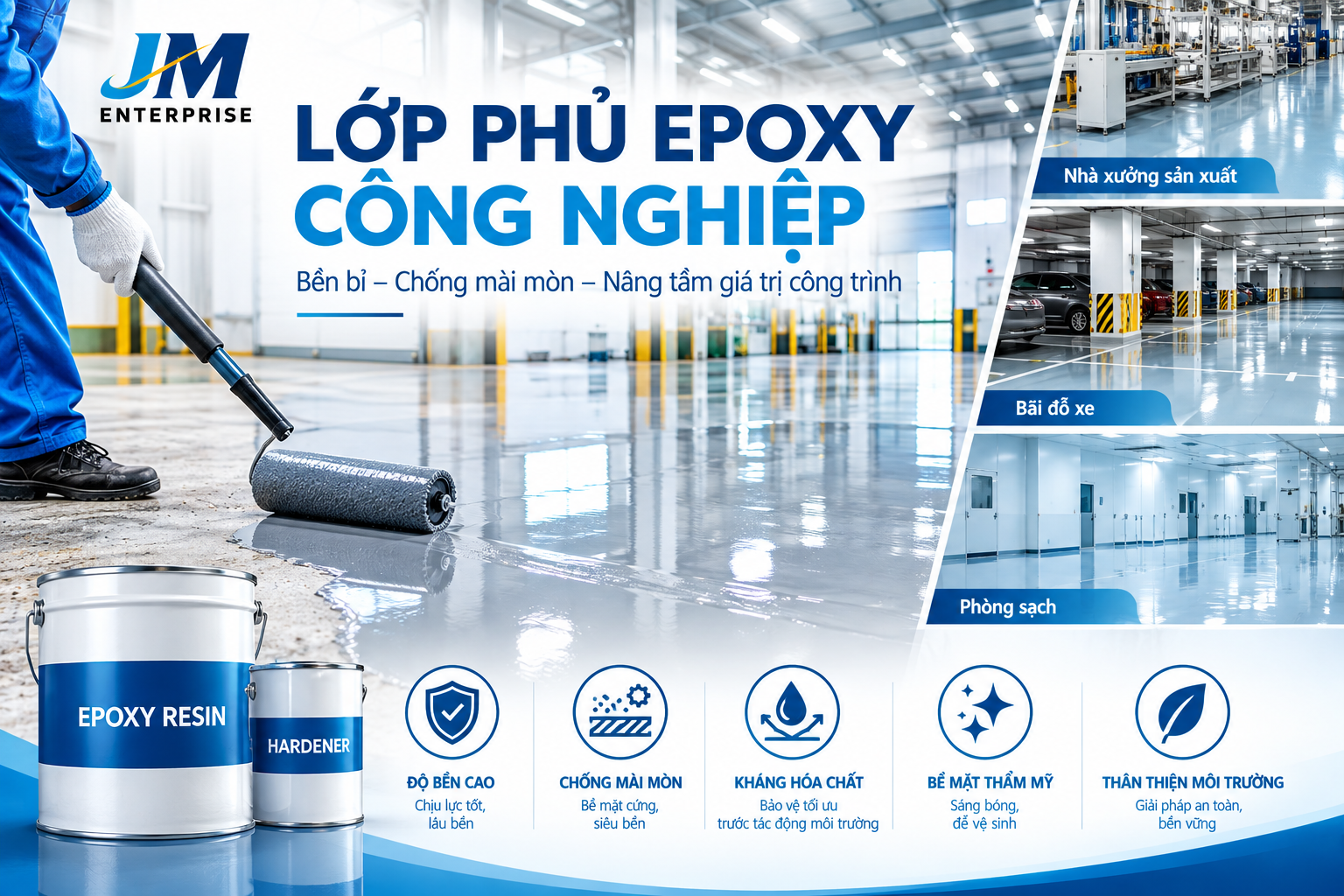
In high-performance industrial applications, epoxy resins are heavily relied upon for structural bonding, protective floor coatings, and electronic encapsulation. However, even the highest-grade industrial epoxy resin can experience delamination, premature cracking, or joint failure if applied incorrectly.
Achieving maximum epoxy bond strength and long-term durability is not just about choosing a premium formulation—it requires strict control over surface preparation, chemical mixing, application techniques, and post-cure conditions. This comprehensive guide details the technical steps required to enhance epoxy adhesion and ensure long-lasting performance in demanding factory environments.
1. Why Epoxy Adhesion Fails
Understanding why epoxy joints fail is the first step toward optimizing bond integrity. Epoxy adhesion relies primarily on mechanical interlocking (microscopic surface anchoring) and chemical bonding (hydrogen or covalent bonds across the interface).
┌── 1. Contaminated Surface (Oils, Dust, Moisture)
│
Epoxy Bond Failure Causes ──┼── 2. Inadequate Surface Roughness (Too Smooth)
│
├── 3. Improper Mixing Ratio & Off-Ratio Curing
│
└── 4. Adverse Environmental Conditions (High Humidity/Low Temp)
Common factors leading to adhesion failure include:
- Surface Contamination: Oil, grease, moisture, and dust form a barrier that prevents the resin from wetting the substrate.
- Insufficient Surface Profile: Smooth surfaces lack the anchor points necessary for mechanical mechanical interlocking.
- Incorrect Mixing Ratios: Excess resin or hardener leaves unreacted chemical groups, reducing mechanical strength and moisture resistance.
- Environmental Stress: High humidity during cure causes amine blush, a waxy byproduct that disrupts inter-coat adhesion.
2. Essential Steps to Improve Epoxy Adhesion
Follow these technical best practices to maximize the tensile shear strength and adhesion profile of your epoxy system:
A. Rigorous Surface Cleaning & Degreasing
Substrates must be completely clean and dry prior to any mechanical treatment:
- Degreasing: Use industrial-grade solvents such as acetone, isopropyl alcohol (IPA), or specialized degreasers to eliminate hydrocarbon oils, silicones, and processing fluids.
- Moisture Testing: Bounded concrete substrates must undergo relative humidity (RH) testing or a plastic sheet test. Moisture vapor emissions can force epoxy coatings to blister and delaminate.
B. Creating the Ideal Surface Roughness (Mechanical Anchoring)
Mechanical surface preparation increases total surface area and creates anchor profiles for the resin:
- Metals (Steel, Aluminum): Grit blasting (using aluminum oxide or garnet) or mechanical grinding to achieve an anchor pattern profile of 50–75 microns (2–3 mils).
- Concrete Slabs: Shot blasting or diamond grinding to achieve an International Concrete Repair Institute (ICRI) Concrete Surface Profile (CSP) of CSP 3 to CSP 5 for high-build industrial coatings.
- Plastics & Composites: Lightly abrade with 80–120 grit sandpaper to remove mold release agents and dull the surface gloss.
C. Chemical Surface Treatments & Primers
When bonding difficult materials, surface modification significantly improves chemical adhesion:
- Silane Coupling Agents: Ideal for promoting adhesion between epoxy resins and glass, ceramics, or aluminum.
- Epoxy Primers: Low-viscosity penetrative primers sink deep into porous concrete or wood, anchoring the substrate before the heavy-duty body coat is applied.
- Flame/Plasma Treatment: Increases the surface energy of low-energy polymers (like polyethylene or polypropylene) to allow proper epoxy wetting.
3. Techniques to Maximize Long-Term Durability
Beyond initial adhesion, the overall durability and fatigue resistance of an epoxy system depend heavily on proper application mechanics and curing parameters:
A. Precise Mixing & Stoichiometric Balance
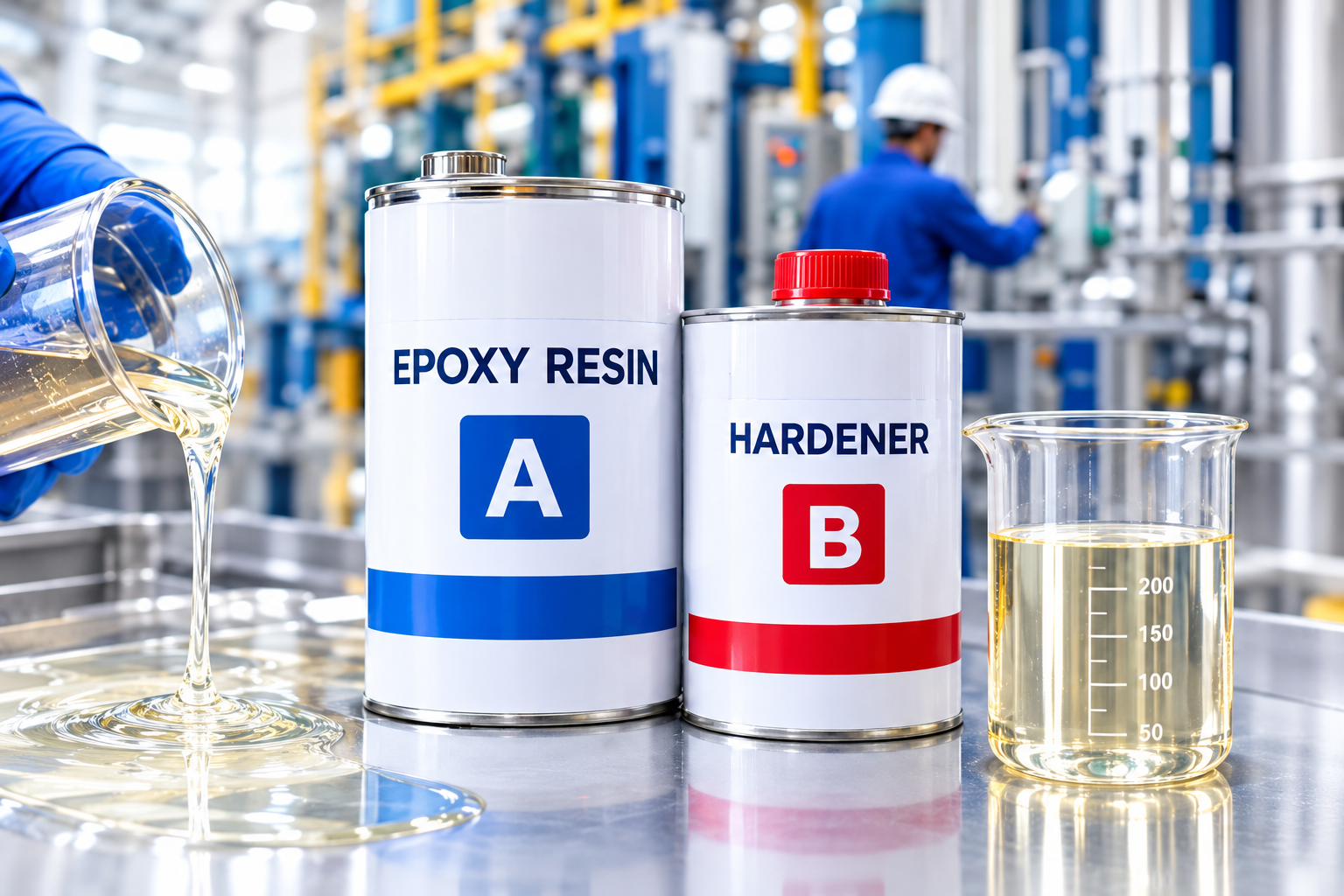
- Measure by Weight or Volume: Always adhere strictly to the manufacturer's Technical Data Sheet (TDS). Deviating from the mix ratio weakens the polymer matrix.
- Thorough Shearing: Mix Part A and Part B thoroughly for 3–5 minutes, ensuring you scrape the sides and bottom of the container to eliminate unmixed resin pockets.
B. Controlling Application Environment
- Dew Point Gap: Ensure the substrate temperature is at least 3∘C
 (5∘F
(5∘F ) above the current dew point to prevent micro-condensation at the interface.
- Temperature Management: Cold temperatures slow down cross-linking, resulting in incomplete curing and lower glass transition temperatures (Tg
 ). Heat or ambient climate control helps achieve optimal mechanical properties.
C. Thermal Post-Curing
- For high-stress or high-temperature environments, subjecting the cured epoxy to an elevated post-cure cycle (e.g., 60∘C-80∘C
 for several hours) increases the cross-linking density.
- Benefit: Elevates the Glass Transition Temperature (Tg), increases chemical resistance, and improves overall structural toughness.
4. Key Factors Comparison for High-Adhesion Epoxy Systems
|
Processing Parameter
|
Low Adhesion Risk
|
Maximum Adhesion Optimization
|
|
Surface Profile
|
Smooth / Polished
|
Blasted / Diamond Ground (50-75 μm ) )
|
|
Cleaning
|
Wipe with dry cloth
|
Solvent degrease + Vacuum dust removal
|
|
Primer Usage
|
Direct application
|
Low-viscosity penetrating epoxy primer
|
|
Curing Temp
|
Fluctuation / Below 15∘C
|
Stable ambient temperature + Post-cure
|
|
Moisture Level
|
Wet / High vapor emission
|
Dry substrate (<4% moisture content) moisture content)
|
5. Summary Checklists for Field Application
- Clean: Remove all dirt, grease, scale, and loose particles.
- Profile: Abrade or shot-blast to achieve an anchor pattern suitable for your layer thickness.
- Prime: Apply specialized adhesion-promoting primers where required.
- Mix: Proportion Part A and Part B accurately and mix thoroughly.
- Cure: Maintain stable heat and humidity until the epoxy reaches its full mechanical cure strength.
Contact JM ENTERPRISE Today for Technical Consultation
Is your factory currently operating a production line and looking for the most optimal epoxy solutions for coating, component encapsulation, surface protection, or structural bonding?
Contact the JM ENTERPRISE Application Engineering Team today to receive in-depth technical consultation and request samples for direct testing at your facility.